
Finding the right diaper for an active toddler is a major milestone in any parenting journey. As babies grow into the extra-large (XL) size range, their physical mobility increases, and their single-void urine volume rises significantly. Mamy Poko Pants XL has long been a staple in Singapore households, widely recognized for its heavy-duty absorbency, generous padding, and reliable value. However, the diaper market is highly competitive, with premium Japanese brands offering ultra-soft materials and Western brands focusing on slim, flexible fits.
Choosing the best option requires balancing your child’s unique body shape, skin sensitivity, and your household budget. No single diaper is perfect for every baby, as a fit that prevents leaks on a rounder toddler might cause chafing on a leaner one. By understanding how Mamy Poko Pants XL compares to its main competitors in real-world conditions, you can make an informed decision that keeps your baby dry and comfortable.
Choose Mamy Poko Pants XL if:
Products mentioned in this guide
![[1 Carton] MamyPoko Air Fit Pants Diapers Girl Size XL (38s x 4)](https://img.lazcdn.com/g/p/52b8b8b353b3b74debc6f40a8140f268.png_400x400q80.png_.webp)
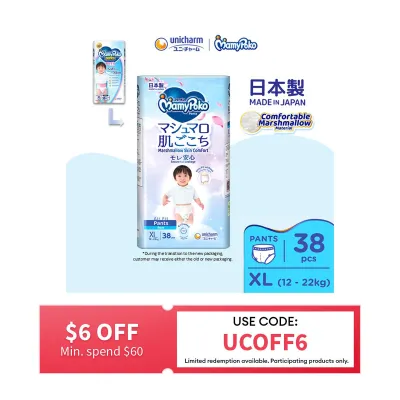
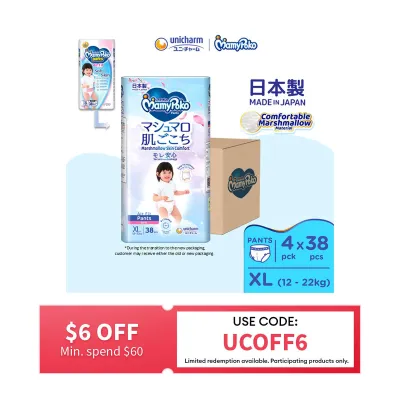
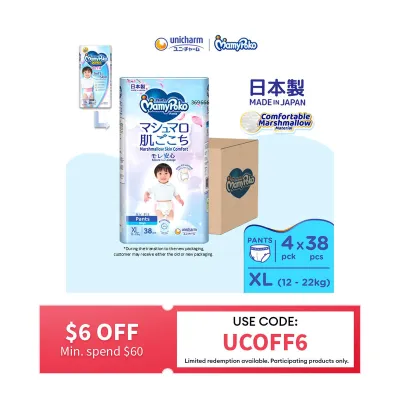
![MamyPoko AIR FIT PANTS & TAPE DIAPERS [Size-M/L/XL/XXL] MADE IN JAPAN](https://img.lazcdn.com/g/ff/kf/S4d626b86fe6f40a6919ca71866aff0481.jpg_400x400q80.jpg_.webp)
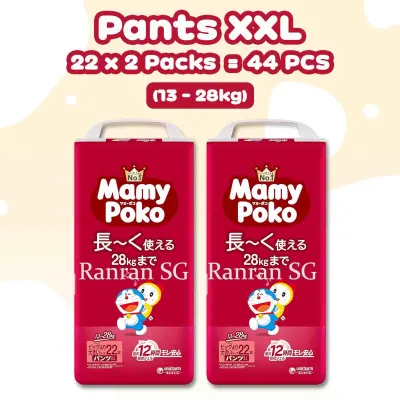
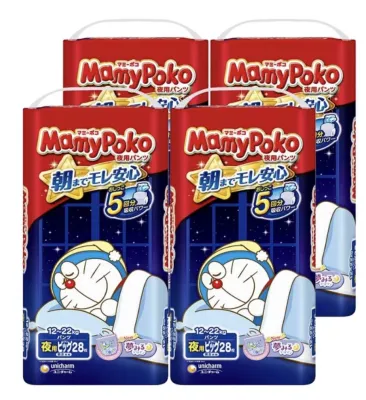
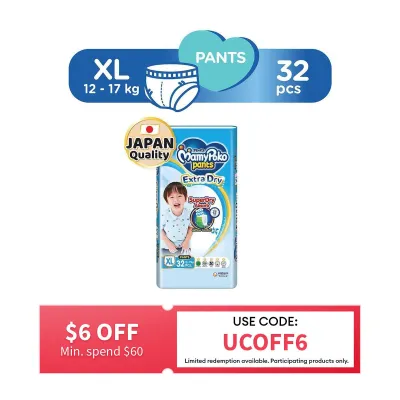
Prices are valid at publication and may change. Please refer to the product page for the latest price.
- You require dependable, high-capacity absorbency for overnight sleep or long outings.
- Your toddler has a rounder build or chunky thighs that benefit from a generous, high-waisted cut.
- You want a highly cost-effective option that delivers reliable baseline performance without a premium price tag.
Absorbency Showdown: Mamy Poko Pants XL vs. Competitors
Absorbency is the most critical performance metric for any diaper, especially in the XL size range. Toddlers at this stage produce larger volumes of urine, meaning a diaper must not only absorb liquid quickly but also lock it away securely under pressure. Mamy Poko Pants XL typically utilizes a robust core design featuring a dense distribution of superabsorbent polymer (SAP) beads mixed with fluff pulp. This traditional, thicker pad construction is engineered to handle multiple wettings, making it a popular choice for overnight use.
In contrast, many premium Japanese and Western competitors have shifted toward ultra-thin cores that rely on specialized channel technology. These channels distribute liquid rapidly across the length of the diaper to prevent sagging. While these thin designs are excellent for daytime active play, they sometimes feel saturated more quickly under the concentrated pressure of a sleeping toddler. Mamy Poko’s thicker core provides a physical barrier and high-capacity reservoir that many parents find more reassuring for long, uninterrupted stretches of sleep.
To verify absorbency claims in your own home, do not rely solely on packaging labels that promise “up to 12 hours” of dryness. You can perform a simple check during morning diaper changes: press a dry, clean tissue firmly against the inside topsheet of a fully saturated diaper. If the tissue remains dry, the diaper is successfully locking wetness away from your baby’s skin. If the tissue dampens, or if you notice gel-like SAP beads escaping onto your baby’s skin, the core has reached its limit, indicating a need for more frequent changes or a different brand.
Furthermore, the structural integrity of the absorbent pad is vital for active toddlers. When a diaper fills with liquid, gravity pulls the heavy core downward. If the diaper lacks strong structural channels or supportive outer stitching, the wet core will sag heavily between the baby’s thighs. This clumping not only restricts your toddler’s natural movement but also pulls the leg cuffs away from the body, creating direct pathways for leaks. Mamy Poko’s design balances this weight distribution, though its thicker profile naturally sags more visibly than ultra-thin alternatives when fully saturated.
Fit and Leak Protection: Finding the Right Shape for Your Baby
A diaper’s leak protection is only as good as its fit. Mamy Poko Pants XL generally features a high-waisted cut with a wide, highly elastic waistband and deep, double-layered leg gathers. This generous cut is particularly well-suited for rounder babies or those with prominent bellies and chunky thighs. The high rise helps contain messy blowouts, while the deep leg cuffs provide a secure barrier against side leaks during active movement.

Conversely, many Western brands opt for a lower-rise, narrower crotch width. This slimmer profile is designed to mimic real underwear, offering a snug, athletic fit that looks neat under form-fitting clothing. While this works beautifully for lean, long-limbed toddlers, it can pinch or dig into the skin of a rounder child. If a diaper’s cut is too narrow for your baby’s body shape, the elastic will stretch to its absolute limit, reducing its ability to flex and recover as your child moves, which ultimately leads to structural gaps and leaks.
Because the XL weight range is broad—typically covering toddlers from 12 to 22 kg, though caregivers must always verify the specific weight guidelines printed on their purchased packaging—finding the right fit requires active monitoring. Use this simple checklist at home to assess the fit of your current diaper brand:
- The Waistband Check: Slide two fingers easily under the waistband; if you feel resistance or see deep, red elastic marks on your baby's skin after removal, the waist is too tight.
- The Thigh Check: Ensure the inner leg gathers are fully flipped outward and not tucked inward. Inspect the leg creases for chafing or red indentations.
- The Gap Check: Observe your toddler while they are standing, squatting, and crawling. If you see gaps around the thighs or lower back during these movements, leaks are highly likely.
It is also worth comparing the pull-up pant format to traditional taped diapers. Pull-up pants are incredibly convenient for active toddlers who resist lying down for changes, but they rely entirely on uniform elastic tension to stay in place. If your child is exceptionally petite around the waist but has heavy wetting patterns, you may find that taped diapers offer a more customized fit. Taped tabs allow you to angle the closure downward or upward to secure specific areas, which can sometimes provide superior leak protection for overnight use compared to standard pants.
Comfort and Breathability: Navigating Singapore's Humid Climate
Singapore’s hot and humid tropical climate presents a unique challenge for diaper wearers. With relative humidity often exceeding 80%, heat and moisture can easily become trapped inside a disposable diaper. This creates a warm, damp microclimate that can compromise the skin’s natural barrier, leading to friction, heat rash, and diaper dermatitis. Therefore, a diaper’s breathability and surface texture are crucial for maintaining skin health.
Mamy Poko Pants XL features a soft, cotton-like topsheet designed to minimize direct contact between wetness and the skin. However, when compared to premium Japanese brands, the material can feel slightly stiffer and thicker. Premium brands often utilize ultra-fine, silk-like fibers or deeply embossed 3D topsheets that create air channels directly beneath the baby’s bottom. These advanced textures reduce the surface area of the diaper touching the skin, allowing air to circulate more freely.
To evaluate breathability, look for diapers that incorporate micro-pores on the outer backsheet. These microscopic holes are large enough to let hot air and moisture vapor escape but small enough to keep liquid safely trapped inside. You can physically check for heat retention during a diaper change: if your baby’s skin feels sweaty, clammy, or unusually hot immediately after removing the diaper, the material is likely trapping body heat. In Singapore’s climate, a highly breathable backsheet is essential for preventing the sweat retention that triggers itchy heat rashes.
Skin sensitivity is another vital consideration. If your child has eczema, highly reactive skin, or a history of diaper rash, do not assume that a soft-feeling material is automatically safe. Carefully inspect product packaging for specific claims such as fragrance-free, lotion-free, or dermatologically tested. Remember that these labels are voluntary and do not guarantee a product is completely hypoallergenic for every individual. Always monitor your baby’s skin closely; if you notice persistent redness, peeling, or signs of irritation, stop using the diaper immediately and consult a qualified pediatrician or dermatologist.
Evaluating Value: Price Per Diaper and Bulk Buying
Managing household expenses is a priority for most families, and diapering costs can add up quickly. When comparing Mamy Poko Pants XL to other brands, it is important to calculate the true cost per diaper rather than simply comparing the retail price of a single box. Pack sizes, piece counts, and bundle configurations vary widely between brands and product lines, making the price-per-piece calculation the only reliable way to compare value.
To find the unit cost, divide the total price of the pack or carton by the total number of diapers inside. For example, a carton of Mamy Poko Pants XL purchased on sale might yield a significantly lower cost per piece compared to a premium Japanese brand. However, when evaluating this cost, consider the practical trade-offs. A highly absorbent, premium diaper may cost more upfront, but if its superior performance means you use fewer diapers per day and avoid leaks, it could prove more economical than a cheaper brand that requires frequent changes and extra laundry cycles.
Mamy Poko typically positions itself in the highly competitive middle-to-value tier. It offers a robust balance of heavy-duty absorbency and reliable construction at a price point that is highly accessible for daily, long-term use. For many families, this makes it the ideal “workhorse” diaper, providing the performance of a premium brand without the associated premium price tag.
To secure the best value, parents in Singapore should regularly check for promotions, carton discounts, and bulk-buying deals. Official brand stores on major e-commerce platforms, local supermarkets, and specialty baby retailers frequently offer bundle pricing that significantly reduces the per-unit cost. However, be cautious of purchasing massive quantities of a new brand or size before testing it thoroughly. If your baby experiences a sudden growth spurt or develops a sensitivity to a specific material, you could be left with unusable stock.
Additionally, factor in potential hidden costs. A diaper that fits poorly or lacks adequate absorbency can lead to indirect expenses, such as increased water and electricity bills from frequent bedding laundry, ruined clothing, and the need for expensive, medical-grade barrier creams. Investing slightly more in a diaper that suits your baby’s specific anatomy and skin type often saves money and stress in the long run.
Decision Framework: Which Diaper Brand Should You Choose?
Selecting the right diaper brand does not have to be a process of trial and error. By matching your child’s physical needs and your household’s daily routine to the specific strengths of each brand type, you can find a diapering strategy that works seamlessly.
Choose Mamy Poko Pants XL if:
- Heavy-Duty Absorbency is Priority: Your child is a heavy wetter, particularly overnight, and you need a reliable, thick-core diaper that can lock away large volumes of liquid.
- Your Baby Has a Rounder Build: Your toddler has chunky thighs, a round tummy, or a high-waisted torso that requires a generous, supportive cut with deep leg gathers.
- You Seek Strong Everyday Value: You want a dependable, high-performing diaper that fits a moderate household budget and reduces the risk of leaks without a premium price.
Choose Premium Japanese Brands if:
- Skin Sensitivity is a Constant Concern: Your baby has highly reactive skin, eczema, or is prone to diaper rash, requiring ultra-soft, silky textures and advanced 3D topsheets.
- Maximum Breathability is Essential: You prioritize high-airflow materials that actively prevent heat and moisture buildup in Singapore's humid climate.
- You Have a Flexible Budget: You are comfortable paying a higher price per piece in exchange for premium materials and a luxurious feel.
Choose Slim-Fit Western Brands if:
- Your Toddler is Highly Active: Your child is constantly running, climbing, and moving, requiring a low-profile, highly flexible diaper that fits like real underwear.
- Your Baby Has a Slender Build: Your toddler is lean and long-limbed, meaning wider, high-waisted diapers tend to sag, gap, or bunch up uncomfortably.
- You Prefer a Snug, Low-Profile Look: You want a diaper that sits discreetly under form-fitting clothing and does not bulk up excessively during daytime play.
Verify first if: Your baby is on the border of a weight size, has a unique body shape, or has a history of severe skin irritation. Before committing to bulk cartons or subscription deliveries, always purchase a single trial pack or request samples from official brand channels. Testing a small quantity in real-world conditions—especially during overnight sleep—is the safest and most cost-effective way to ensure a diaper is truly compatible with your baby’s needs.
Frequently Asked Questions (FAQ)
How do I know if my baby needs to size up to XL diapers?
While the weight guidelines printed on the packaging are a helpful starting point, they are not absolute rules. You should consider transitioning your baby to XL diapers if you experience frequent leaks despite proper application, notice deep red elastic marks around your toddler’s thighs or waist, or find that the diaper looks visibly overstuffed very quickly. Additionally, if the waistband sits well below your baby’s belly button or you struggle to pull the diaper up fully, it is time to size up.
Are pull-up pants as absorbent as taped diapers for overnight use?
Many modern pull-up pants, including Mamy Poko Pants XL, feature high-capacity absorbent cores that perform exceptionally well overnight. However, because pants rely on a standardized elastic waistband rather than adjustable adhesive tabs, they may not seal as tightly around the waist and legs as taped diapers. If your child is an exceptionally heavy overnight wetter or sleeps in positions that cause gravity-driven leaks, a taped diaper of the same or a premium brand may offer a more customized, leak-resistant fit.
Can I mix different diaper brands for day and night use?
Mixing diaper brands is a highly practical, cost-effective strategy used by many parents in Singapore. You can utilize a lighter, highly breathable, and more affordable diaper for frequent daytime changes when your child is active and monitored closely. Then, you can transition to a thicker, high-capacity diaper like Mamy Poko Pants XL for overnight sleep to ensure your toddler remains dry and comfortable throughout the night, protecting both their skin and their sleep quality.

Community discussion
Share your experience or ask a question. Comments are reviewed before publication.