
Finding the right diaper for an active toddler requires balancing leak protection, physical comfort, and budget. Because individual body shapes, movement levels, and skin sensitivities vary, there is no single universal winner among Mamy Poko Pants XL, Huggies, and Pampers. Instead of relying on generic claims, this guide provides a structured framework to help you evaluate the real-world absorbency, fit, and overall value of each brand, enabling you to make a condition-based decision that suits your toddler’s specific daily routine.
Evaluating Absorbency and Leak Protection for Active Toddlers
To assess how well a diaper performs, you must look closely at its construction and how it handles moisture during daily activities. Manufacturers design absorbent cores using different configurations of superabsorbent polymers and distribution layers. When evaluating Mamy Poko Pants XL, Huggies, or Pampers, start by checking the manufacturer’s product specifications for features like channels that distribute liquid evenly or wetness indicators that change color when damp. These indicators are highly practical for monitoring usage without constantly pulling at the waistband.
Real-world performance, however, depends heavily on your toddler’s movement. During high-energy daytime activities like crawling, climbing, and running, the diaper core is subjected to shifting physical pressure. Observe whether leaks occur primarily around the legs or the waist during these active periods. A diaper that performs excellently during quiet play might struggle to contain sudden surges of wetness when your child is constantly on the move.
Products mentioned in this guide
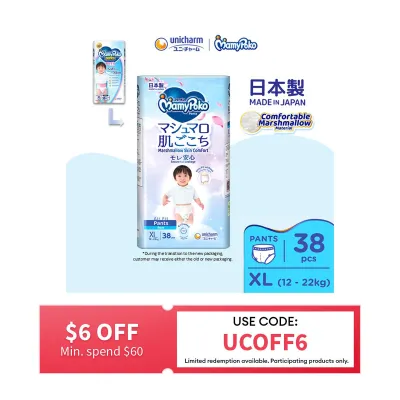
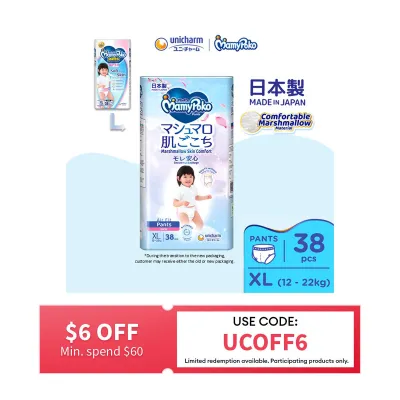
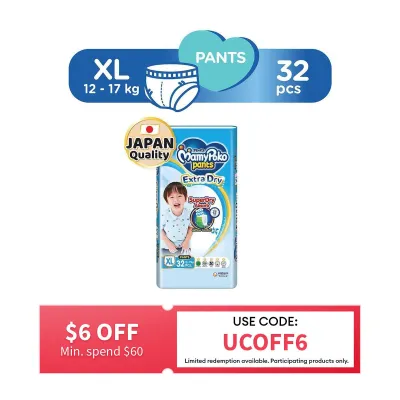
![MamyPoko Extra Dry Pants Premium Baby Diapers [UNISEX] XL32 (4 Packs) (12 - 17kg)](https://img.lazcdn.com/g/p/5b6058567bfc55657495390de0e16873.jpg_400x400q80.jpg_.webp)
Prices are valid at publication and may change. Please refer to the product page for the latest price.
Overnight sleep presents a completely different challenge, requiring sustained absorbency over many hours. To evaluate overnight performance, check the diaper in the morning for structural sagging, clumping, or surface dampness. If the absorbent material clumps together or sags heavily between the toddler’s legs, it can restrict movement and increase the risk of leaks. Gently touch the inner lining of a wet diaper after removal; a high-performing core should feel relatively dry to the touch, indicating that moisture is locked away from your toddler’s skin.
Comparing Fit, Elasticity, and Skin Comfort
A diaper’s fit is just as critical as its absorbency, as even the most absorbent core will leak if the seals around the waist and legs are compromised. When comparing Mamy Poko Pants XL with Huggies and Pampers, pay close attention to the waistband elasticity. The waistband should stretch easily to accommodate a full tummy after meals while remaining snug enough to prevent the diaper from slipping down during play. After removing the diaper, inspect your toddler’s skin. Deep red marks or indentations around the waist or thighs indicate that the elastic is too tight or the cut is too small for your child’s current build.

Leg cuffs serve as the primary barrier against side leaks, making their design and elasticity vital. Inspect the double leg guards or cuffs to ensure they flare outward properly when applied. These cuffs must create a secure seal without causing friction or chafing on your toddler’s sensitive skin. If you notice persistent redness or chafing in the groin folds, the leg opening shape or material may not align with your toddler’s specific thigh shape.
Beyond elasticity, the overall bulkiness, flexibility, and breathability of the outer materials play a major role in active comfort. Thicker, bulkier diapers might offer high capacity but can restrict natural movement or trap heat, especially in warm, humid climates. Thinner, more flexible designs allow for greater freedom of movement and improved airflow, which helps keep the skin cool. Compare how each brand feels to the touch and observe whether your toddler shows any signs of discomfort or attempts to pull at the diaper during active play.
Calculating True Value and Cost per Diaper
To determine the true cost-effectiveness of any diaper brand, you must look beyond the retail price of a single pack and calculate the baseline cost per diaper. Because pack configurations and diaper counts vary significantly between Mamy Poko Pants XL, Huggies, and Pampers, dividing the total pack price by the number of diapers inside is the only reliable way to establish a fair comparison. Express this final metric in S$ to understand exactly what you are paying for each change.
However, a lower cost per diaper does not automatically translate to better long-term value. You must factor in the frequency of changes required throughout the day and night. For example, if a cheaper diaper has lower absorbency limits and requires changing every two hours to prevent leaks, you will consume more diapers daily than if you used a slightly more expensive, highly absorbent option that lasts four hours. A diaper that performs reliably overnight without leaking also saves you the hidden costs of extra laundry, bedding changes, and interrupted sleep.
To optimize your long-term spending, look for bulk buy options, carton deals, or subscription discounts on major online marketplaces and ecommerce platforms. Many retailers offer significant unit-price reductions when you purchase multiple packs at once. Keep a record of your toddler’s daily diaper consumption alongside the unit cost to find the sweet spot where reliable performance meets your household budget.
Decision Framework: Matching Diaper Features to Your Toddler
Choosing the right diaper is ultimately a highly personalized decision that depends on your toddler’s unique physical build, activity level, and skin sensitivity. There is no single brand that fits every child perfectly, so matching specific diaper features to your toddler’s daily needs is the most effective approach.
Consider Mamy Poko Pants XL if your toddler has a rounder belly or chunkier thighs that benefit from a generous, accommodating cut. If your daily observations show that this specific shape provides a secure seal without leaving tight marks, it represents a highly practical choice for your routine. The brand’s design is often favored by parents whose toddlers require a reliable, roomy fit that supports natural movement.
Opt for Huggies if your toddler is highly active and you prioritize a snug, secure waistband with robust leg guards. This design is particularly suitable if you frequently experience side leaks during high-movement play or if your child has a leaner build that requires a more contoured, elasticated fit to prevent gaps from forming around the legs and lower back.
Select Pampers if you prefer a thinner, highly flexible profile that minimizes bulk under clothing and maximizes breathability. This style is well-suited for toddlers who are highly sensitive to heat or those who prefer a lightweight feel that mimics regular underwear, allowing for unrestricted mobility during active daytime exploration.
Before committing to a bulk purchase of any brand, always verify if your toddler has specific skin sensitivities or allergies. If your child is prone to eczema or severe diaper rash, check the product packaging for hypoallergenic labels or fragrance-free specifications. If skin irritation persists regardless of the brand or fit, stop using the product immediately and consult a qualified pediatrician for professional guidance.
Frequently Asked Questions (FAQ)
When should I transition my toddler from L to XL diapers?
To determine when to size up, first check the manufacturer’s recommended weight range printed on the diaper packaging. While these weight guidelines provide a helpful baseline, physical signs are often more accurate indicators of fit. Observe your toddler’s skin after diaper removal; if you notice persistent red marks or deep indentations around the thighs or waist, the current size is too tight. Additionally, monitor for frequent side leaks or waist blowouts during regular use. If a diaper that previously performed well suddenly begins to leak or fails to contain wetness, it is usually a sign that your toddler has outgrown its capacity and dimensions, making a transition to XL necessary.
How can I prevent diaper rash when testing a new brand?
When introducing a new diaper brand to your toddler, always purchase a small trial pack first rather than committing to a large bulk order. This allows you to test the material compatibility with your child’s skin over a few days. Maintain regular changing intervals, typically every three to four hours, and ensure the skin is completely clean and dry before putting on the new diaper. Applying a thin barrier cream can also help protect sensitive skin during the transition. If you observe persistent redness, irritation, or a rash developing after switching, stop using the new brand immediately and consult a pediatrician to identify potential material sensitivities.

Community discussion
Share your experience or ask a question. Comments are reviewed before publication.