
Finding the right diaper for your baby is a highly individualized journey, especially in Singapore’s warm and humid climate. While many parents search for a single, definitive winner among major brands like Mamy Poko Pants, Huggies, and Pampers, the reality is that no single diaper performs perfectly for every infant. The ideal choice depends heavily on your baby’s unique body shape, skin sensitivity, and your household budget. What works seamlessly for an active toddler may cause leaks or discomfort for a younger infant with a different build.
To make an informed decision, caregivers must look beyond brand popularity and evaluate how specific design features align with their baby’s daily needs. This comparison focuses on the practical ways to evaluate fit, absorbency features, and overall value. By understanding what to look for on the packaging and how to observe the diaper in action, you can find a reliable option that keeps your baby dry, comfortable, and free from irritation.
Key Performance Dimensions to Evaluate
When comparing disposable diapers, relying on general brand reputation is rarely enough. Instead, caregivers should focus on several critical performance dimensions that directly impact a baby’s comfort and skin health. The first dimension is absorbency and leak protection. When examining diaper packaging, look for details regarding the absorbent core design, such as channel technology or polymer distribution, which help distribute wetness evenly. Additionally, inspect the physical leak-guard barriers—the elasticated inner cuffs along the leg openings—to ensure they are tall and flexible enough to contain sudden messes.
Products mentioned in this guide
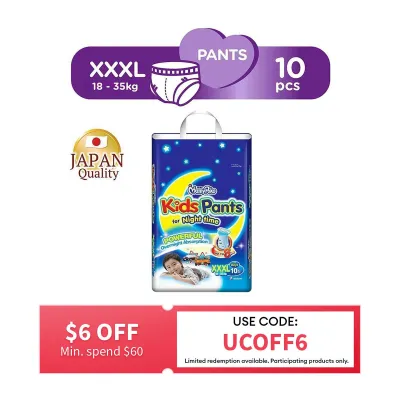
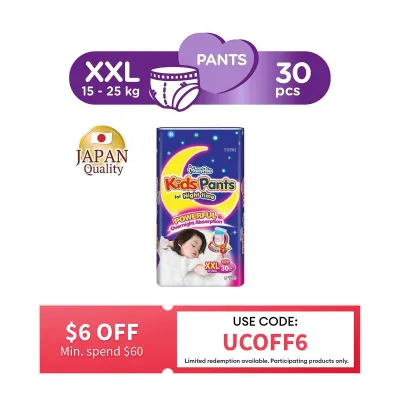
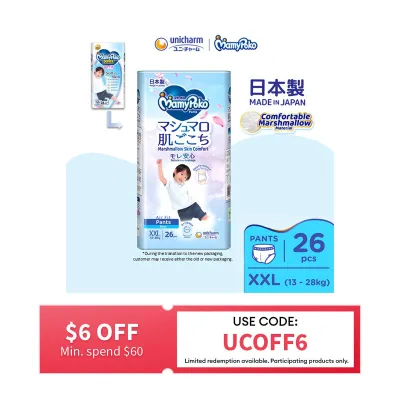
Prices are valid at publication and may change. Please refer to the product page for the latest price.
Breathability and skin health represent another vital dimension, particularly in Singapore’s tropical environment. High humidity can trap moisture inside a diaper, increasing the risk of diaper rash. Caregivers should check the packaging for claims regarding breathable outer covers, micro-pores, or specialized topsheet materials designed to pull moisture away from the skin. If your baby is prone to redness, prioritizing diapers with documented airflow features is a practical step toward maintaining skin integrity.
Fit and elasticity are equally crucial for preventing both leaks and physical discomfort. A diaper must accommodate a baby’s movements without shifting out of place or digging into the skin. When evaluating a diaper, observe the waistband stretch and the design of the leg cuffs. A well-designed waistband should stretch easily to fit snugly against the lower back, while the leg cuffs should wrap gently around the thighs without leaving deep red marks.
Finally, consider the ease of use, which often depends on your baby’s developmental stage. Tape diapers are highly adjustable and allow for easy changes while a baby is lying down, making them popular for newborns. Pull-up pants, on the other hand, are designed for active toddlers who resist lying still during changes. Evaluating how easily a diaper can be put on and removed—especially during outings or quick changes—will help you determine which style fits your current daily routine.
Brand Design Focus: What to Check on the Label
To choose the right diaper, caregivers must learn to read and interpret product labels effectively. Manufacturers offer various product lines, each tailored to different developmental stages, skin types, and price points. Rather than assuming all diapers from a single brand perform identically, you should verify specific features, materials, and sizing guidelines directly on the packaging before purchasing.

Mamy Poko Pants
Mamy Poko Pants are widely recognized for their pull-up design, which is engineered to support active babies and toddlers. When examining the packaging, pay close attention to the stretchable waistband design. This feature is intended to provide a secure fit around the waist while allowing natural movement. It is essential to check the specific weight guidelines printed on the pack, as pull-up pants often have different sizing structures compared to standard tape diapers.
Additionally, inspect the label for details on the absorbent core structure. Many product lines within this brand highlight specific absorption capacities or specialized core designs intended for extended wear, such as overnight use. Caregivers should also look for any specific skin-care claims, such as organic cotton topsheets or pH-balanced materials, which are designed to minimize irritation. Because sizing and fit can vary significantly between different product lines—such as standard versus premium ranges—always monitor your baby’s physical fit rather than relying solely on the weight range listed on the box.
Huggies
Huggies diapers often emphasize structured leak protection and skin comfort across their various product tiers. When reviewing a Huggies package, look for information regarding their leak-lock systems and waistband indicators. These design elements are intended to help caregivers secure a symmetrical fit and prevent gaps at the back. It is highly recommended to check the specific product tier on the label, as features can differ between entry-level and premium lines.
Caregivers should also examine the packaging for details on the inner lining texture. Many Huggies lines feature textured topsheets designed to absorb liquid stool quickly, keeping it away from delicate skin. Wetness indicators are another common feature to verify on the label; these color-changing strips help caregivers time changes more accurately. Finally, verify the exact leg cuff design on the packaging to ensure it matches your baby’s thigh shape, as some lines feature double-layered guards for enhanced containment.
Pampers
Pampers diapers are frequently designed with a focus on thinness, flexibility, and rapid moisture distribution. When evaluating Pampers packaging, look for mentions of dry-weave topsheets and flexible fit features. These elements are engineered to keep the diaper feeling dry against the skin while allowing a high degree of movement. Be sure to check the specific line variations on the label, as the brand offers different series ranging from basic protection to premium care.
Instruct yourself to examine the packaging for details on their absorbent channel technology. This design is intended to distribute liquid evenly across the diaper, preventing sagging and keeping the core stable as the baby moves. Breathability claims, such as micro-pores that allow hot air to escape, are also key features to verify on the label, especially for daytime use in warm climates. Always verify the sizing chart on the specific series you are purchasing, as the physical dimensions and elasticity can vary between different product lines within the brand.
Evaluating Value and Sourcing in Singapore
Calculating the true cost of diapering requires looking beyond the initial retail price of a single box or pack. Because diaper prices fluctuate due to promotions, discounts, and retailer margins, the most reliable way to compare value is by calculating the cost per piece. To do this, divide the total price of the pack by the number of diapers inside. This simple calculation allows you to compare different pack sizes and brands on an equal footing, helping you identify which option fits your long-term budget.
In Singapore, caregivers have access to several purchasing channels, each offering distinct advantages. Local supermarkets are convenient for quick purchases, but buying in bulk from official brand stores on trusted e-commerce platforms or online marketplaces often yields a lower cost per piece. Many official stores offer subscription services or bulk carton discounts, which can significantly reduce your ongoing diapering expenses.
When purchasing diapers online, verifying seller authenticity is critical to ensuring you receive genuine, high-quality products. Counterfeit or poorly stored diapers may lack the absorbency, fit, and safety standards of genuine products, potentially leading to leaks or skin irritation. Always purchase from official brand stores or authorized distributors. Additionally, check the packaging for manufacturing or expiration dates, as the elastic materials and adhesive tapes in diapers can degrade over time if stored in hot or humid warehouse conditions.
Decision Framework: Which Brand to Choose?
Selecting the right diaper brand involves matching your baby’s physical characteristics and your daily routine with the specific design strengths of each brand. To guide your decision, consider the following conditional framework based on observable signals:
- Choose Mamy Poko Pants if your baby has a specific waist-to-thigh ratio that benefits from a highly stretchable, accommodating waistband, and you prefer a pull-up style that simplifies changes for an active, crawling, or walking toddler.
- Choose Huggies if you prioritize structured leak-guard barrier designs to contain liquid stool and prefer using clear wetness indicators to help time your diaper changes throughout the day.
- Choose Pampers if your baby responds well to a dry-weave topsheet texture and you require a thin, highly flexible diaper that allows for unrestricted movement during active play.
Regardless of general brand reputation, your baby’s skin and comfort should always be the final deciding factors. Verify first if your baby shows signs of skin sensitivity, such as persistent redness or diaper rash, which may indicate a need to switch to a brand with different topsheet materials. Similarly, if you notice deep red marks from the leg cuffs or experience frequent blowouts, these are clear signals that you need to adjust the size or try a different brand’s shape. If skin irritation persists despite changing brands and sizes, stop use and consult a qualified healthcare professional.
Frequently Asked Questions (FAQ)
How do I know if I need to size up in Mamy Poko Pants or other brands?
While weight charts on diaper packaging provide a helpful starting point, they are only general guidelines. The most reliable indicators that it is time to size up are physical signs on your baby’s body. Look for red marks or indentations on your baby’s thighs, hips, or waist after removing the diaper, which suggest the elastic is too tight. Frequent leaks or blowouts, especially around the leg cuffs, also indicate that the diaper’s absorbent capacity and physical coverage are no longer sufficient. Additionally, observe if the waistband sits too low on your baby’s hips or if you struggle to close tape diapers symmetrically.
Can I mix and match different diaper brands for day and night use?
Yes, mixing and matching different diaper brands is a highly practical strategy used by many caregivers to balance performance and budget. For instance, you might choose a highly absorbent, premium diaper line for overnight use to ensure uninterrupted sleep, while opting for a more cost-effective brand for frequent daytime changes. When introducing a new brand into your routine, always monitor your baby’s skin closely for any signs of sensitivity or allergic reactions. Ensure that both brands fit your baby’s current weight and body shape properly to prevent leaks during different activities.

Community discussion
Share your experience or ask a question. Comments are reviewed before publication.