
Choosing the right diaper for a toddler who has transitioned from crawling to walking and running is a major milestone. At this stage, diaper pants become the preferred choice over tape diapers due to how quickly an active child moves. Mamy Poko Pants in Size L is a popular option in this category, but parents frequently compare it against other major brands like Pampers and Huggies to find the ideal balance of fit, absorption, and value.
The right choice depends heavily on your toddler’s unique body shape, skin sensitivity, and activity level. While one brand may offer excellent elasticity for a rounder belly, another might provide a slimmer cut that suits a taller, leaner child. Evaluating these brands requires looking closely at how their physical designs perform under the stress of constant movement, squatting, and climbing.
Core Criteria for Evaluating Toddler Diapers
Active toddlers put immense physical stress on disposable diapers. When a child crawls, climbs, or runs, the diaper undergoes continuous stretching, twisting, and compression. If the diaper lacks sufficient structural integrity, these movements can cause the absorbent core to clump, sag, or shift away from the primary wetness zones.
Products mentioned in this guide
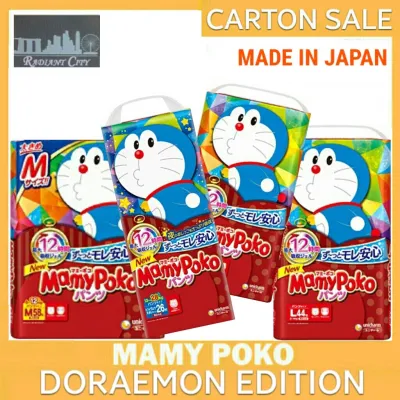
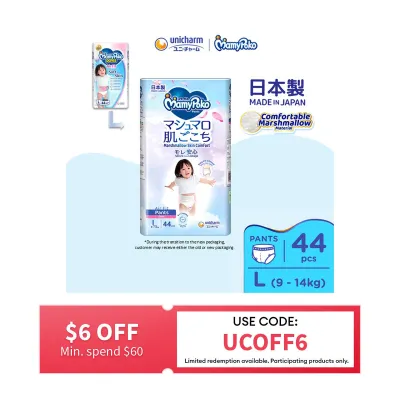
![MamyPoko Air Fit Marshmallow Pants Super Premium Baby Diapers [GIRL] L44 (4 Packs) (9 -14kg)](https://img.lazcdn.com/g/p/ca62e16d11e83f7e96ccf6259392a0f2.jpg_400x400q80.jpg_.webp)
![MamyPoko Air Fit Marshmallow Pants Super Premium Baby Diapers [BOY] L44 (4 Packs) (9 - 14kg)](https://img.lazcdn.com/g/p/0eed4334f37f614c73ef0afd6f0c8d67.jpg_400x400q80.jpg_.webp)
![MamyPoko Air Fit Marshmallow Pants Super Premium Baby Diapers [BOY] L44 (1Pack) (9 -14kg)](https://img.lazcdn.com/g/p/9dc7a6ed5fe051930a3955266eeacd90.jpg_400x400q80.jpg_.webp)
![MamyPoko Air Fit Marshmallow Pants Super Premium Baby Diapers [GIRL] L44 (1 Pack) (9 - 14kg)](https://img.lazcdn.com/g/p/6c7ed1959d97c53c5922d37474897199.jpg_400x400q80.jpg_.webp)
Prices are valid at publication and may change. Please refer to the product page for the latest price.
To evaluate how well a diaper pants option like Mamy Poko Pants L performs against competitors, parents should focus on four primary decision metrics. First, waistband elasticity determines whether the diaper stays securely on the hips without slipping down during play. Second, the leg cuff seal must remain flush against the skin to prevent side leaks without causing friction. Third, core absorption under physical pressure is critical; the diaper must lock away moisture even when the toddler sits or rolls on a full diaper. Finally, breathability is essential, especially in warm, humid tropical climates, to prevent heat and moisture buildup.
It is also important to recognize that individual toddler body shapes play a decisive role in diaper performance. A diaper that fits a toddler with chubby thighs perfectly might gap on a child with a more slender build, regardless of the brand’s general marketing claims. Therefore, understanding the structural differences between brands helps narrow down the best starting point for your child’s specific build.
Fit and Flexibility: Mamy Poko Pants L vs. Pampers and Huggies
The waistband design is one of the most noticeable differences when comparing Mamy Poko Pants L to Pampers and Huggies. Mamy Poko is widely recognized for its soft, gathered belly band design, which features a highly elastic, multi-thread waistband. This design aims to distribute pressure evenly across the toddler’s abdomen, accommodating the natural expansion of the belly after meals. In contrast, Pampers pants often utilize a slimmer, more streamlined elastic waistband that provides a snug, body-hugging fit, which some parents find fits leaner toddlers exceptionally well. Huggies pants typically feature a wide, secure waistband with robust elastic tension designed to keep the diaper firmly anchored during high-impact activities like jumping and running.

Leg cuff flexibility is another critical area where design philosophies diverge. Active toddlers require leg gathers that stretch dynamically with every stride. Mamy Poko Pants L typically incorporates double-layered leg gathers that stand upright to catch leaks while remaining soft to the touch. Pampers often focuses on ultra-thin, flexible leg barriers designed to minimize bulk between the thighs, reducing the risk of chafing during long walks. Huggies frequently employs deep, pocketed leg elastic designed to secure solid waste during active play. Parents should inspect these cuffs during diaper changes to ensure they do not leave deep red marks, which indicate the elastic tension is too tight for the child’s current thigh circumference.
To verify the fit of any diaper brand during daily use, parents can use a simple three-step checklist. First, check for sagging at the crotch when the diaper is dry; a dry diaper that sags already indicates the size or cut is too large. Second, slide two fingers easily into the waistband to ensure it is snug but not constricting, especially after the toddler has eaten. Third, observe the leg openings while the child is squatting to ensure there are no visible gaps between the elastic and the skin, as gaps are a primary cause of active leaks.
Leak Protection and Absorption Under Active Conditions
When a toddler is active, absorption is not just about how much liquid a diaper can hold, but how quickly it can draw wetness away under pressure. When a child sits down hard or climbs onto a toy, their body weight compresses the absorbent core. If the core does not lock the liquid away effectively, this compression can force moisture back to the surface, leading to damp skin and potential leaks.
Each brand approaches this challenge with distinct structural designs. Mamy Poko Pants L often utilizes a thick, multi-layered absorbent core designed to distribute liquid evenly across the front and back of the diaper. This design helps prevent the pooling of liquid in a single spot, which can cause the diaper to sag heavily. Pampers typically emphasizes a thinner core technology, using absorbent channels designed to distribute wetness rapidly and maintain a slim profile even when wet. Huggies often incorporates targeted absorption zones, placing extra absorbent material where toddlers are most likely to wet based on gender-specific or unisex designs.
Parents can easily identify signs of absorption failure by observing the diaper and the child’s clothing during play. If the outer shell of the diaper feels damp to the touch, or if you notice tiny gel beads on your toddler’s skin during a change, the absorbent core is struggling to contain the moisture under active pressure. Frequent leaks that occur shortly after wetting, even when the diaper is not fully saturated, often indicate that the liquid is not being distributed quickly enough. In such cases, parents should first verify if the diaper is fitted correctly, and if so, consider whether it is time to size up to ensure a larger absorbent surface area.
Calculating True Value: Cost Per Diaper and Usage Rates
When comparing diaper brands, looking solely at the retail price of a pack can be misleading. To find the true value, parents should calculate the cost per diaper. This is done by taking the total price of the pack in S$ and dividing it by the number of diapers inside. For example, if a pack costs S$24 and contains 40 diapers, the cost per diaper is S$0.60. Because pack counts vary significantly between brands and sub-variants, this calculation provides a standardized metric for comparison.
However, the cheapest diaper per unit does not always deliver the best overall value. If a lower-cost diaper has a lower absorption capacity or leaks frequently, you may find yourself changing your toddler more often, or dealing with extra laundry from leaked clothing. A slightly more expensive diaper that keeps your toddler dry for longer periods may reduce the total number of diaper changes needed per day. For instance, if Brand A costs S$0.50 per piece but requires 8 changes a day, the daily cost is S$4.00. If Brand B costs S$0.65 per piece but only requires 5 changes a day due to better absorption, the daily cost is S$3.25, making the premium option more cost-effective in practice.
Parents must also pay close attention to the specific sub-variants within each brand’s lineup. Most major brands offer both standard and premium lines, such as Mamy Poko’s standard pants versus their organic or extra-dry variants, or Pampers’ active play lines versus their premium care lines. Premium variants often feature softer materials, indicator lines, or advanced core technologies, but they also come at a higher cost per diaper. When comparing prices at local supermarkets or online marketplaces, ensure you are comparing equivalent tiers to make an accurate financial decision.
Decision Framework: Matching the Diaper to Your Toddler
To simplify your decision, you can match your toddler’s physical characteristics and your daily routine to the specific design strengths of each brand.
Choose Mamy Poko Pants L if your toddler has a rounder belly or chubby thighs, as the highly elastic, gathered waistband and soft leg cuffs accommodate these shapes comfortably without leaving harsh red marks. This option is also highly suitable for parents who prefer a thicker, traditional absorbent core that provides a reassuring barrier during long outings.
Choose Pampers if your toddler has a leaner, more athletic build and you prefer a diaper with a slim, discreet profile under clothing. This design is ideal for toddlers who dislike bulkiness between their legs and require maximum freedom of movement during high-energy play.
Choose Huggies if your toddler is exceptionally active, frequently climbing and jumping, and you require a highly secure, tensioned waistband that resists slipping down under the weight of a wet diaper.
Before committing to bulk purchases of any brand, it is highly recommended to purchase small trial packs or request samples. This allows you to test the fit, absorption, and skin compatibility in real-world conditions over a few days. If your toddler develops persistent skin rashes, frequent blowouts, or unexplained redness, stop using the diaper immediately. Ensure you consult a pediatrician or qualified healthcare professional if skin irritation persists, as this may indicate an allergy to specific materials or fragrances used in the diaper.
Frequently Asked Questions (FAQ)
When should I size up from Mamy Poko Pants L to XL?
While the weight guidelines on the packaging serve as a helpful baseline reference, they are not absolute rules. You should consider sizing up to XL if you observe physical signs of poor fit, such as deep red marks around your toddler’s waist or thighs that do not fade quickly after removal. Other indicators include frequent leaks despite the diaper being applied correctly, the waistband sitting significantly below the belly button, or the rise of the diaper looking too short to cover the backside fully.
Can I mix diaper brands for daytime and nighttime use?
Yes, mixing diaper brands is a highly practical strategy for many families to balance performance and budget. You might choose a highly absorbent, premium diaper designed specifically for overnight use to ensure your toddler enjoys long, uninterrupted sleep. During the daytime, when changes are more frequent and the toddler is constantly moving, you can switch to a more flexible, cost-effective diaper pants option. If you choose to mix brands, monitor how your toddler’s skin and movement adjust to the different cuts, as maintaining a consistent fit is key to preventing unexpected leaks.

Community discussion
Share your experience or ask a question. Comments are reviewed before publication.