
Selecting the right XL diaper for an active toddler involves balancing comfort, containment, and cost. In Singapore’s hot and humid climate, this decision becomes even more critical, as trapped moisture and friction can quickly lead to skin irritation. The Mammy Poko Air Fit XL is a popular contender in the premium diaper segment, but determining whether it is the absolute best fit for your child requires evaluating how its specific design features perform against other leading options in real-world scenarios.
Quick Answer: Is Mammy Poko Air Fit XL the Right Choice?
The Mammy Poko Air Fit XL is an excellent choice if your primary goals are maximizing breathability, preventing heat rashes in humid conditions, and securing a highly flexible fit for an active toddler. Its specialized curved design and soft, airy materials make it exceptionally comfortable for daytime wear, crawling, walking, and running.
However, if your toddler is a heavy wetter or sleeps for long, uninterrupted stretches overnight, you may find that its ultra-breathable, slim profile reaches saturation faster than some heavier, utility-focused diapers. Ultimately, the right choice depends on your toddler’s unique physical proportions, their wetting frequency, and whether you are prioritizing daytime mobility or 12-hour overnight dryness.
Products mentioned in this guide
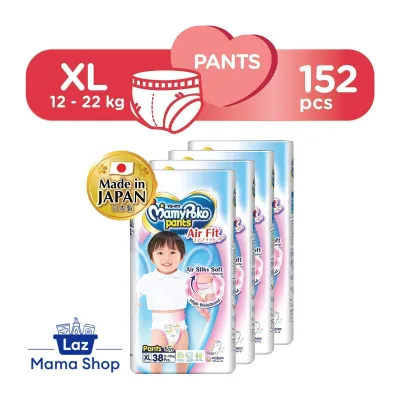
![[1 Carton] MamyPoko Air Fit Pants Diapers Girl Size XL (38s x 4)](https://img.lazcdn.com/g/p/52b8b8b353b3b74debc6f40a8140f268.png_400x400q80.png_.webp)
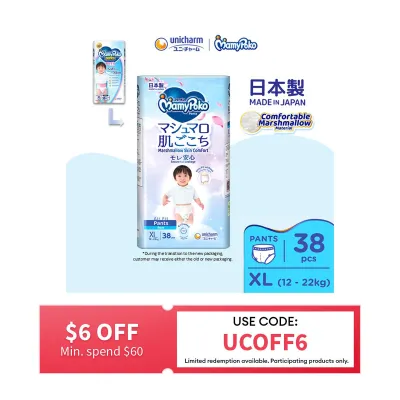
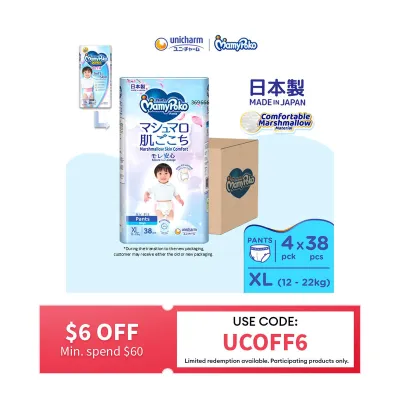
![MamyPoko Air Fit Pants Super Premium Baby Diapers [BOY] XL38 (1Pack) (12 - 22kg)](https://img.lazcdn.com/g/p/f56b3fac8758af2a94cba25ff63cddec.jpg_400x400q80.jpg_.webp)
Prices are valid at publication and may change. Please refer to the product page for the latest price.
Key Factors When Comparing XL Diapers for Toddlers
As toddlers transition into XL sizes, their physical development and daily routines change significantly. They are no longer stationary; they are constantly climbing, running, and exploring. This developmental shift requires diapers to perform differently than they did during infancy.

Absorbency and Leak Protection Toddlers consume larger volumes of liquids, which results in sudden, high-volume wetting. An effective XL diaper must feature a robust superabsorbent polymer (SAP) core that quickly draws liquid away from the surface and locks it deep inside to prevent rewetting. Furthermore, the side leak guards—the elasticized barriers running along the leg openings—must stand upright and maintain a secure seal even when your toddler is in motion.
Fit and Mobility At the toddler stage, a diaper that restricts movement can cause discomfort and discourage physical play. The waistband must offer high elasticity without digging into the skin, while the overall diaper chassis should remain slim and contoured. A bulky, sagging diaper can alter a toddler’s gait or gap at the thighs, which inevitably leads to leaks during active play.
Breathability and Skin Health Singapore’s high humidity levels create a challenging microclimate inside a diaper. Trapped heat and sweat can weaken the skin barrier, making toddlers highly susceptible to diaper rash, contact dermatitis, or heat rashes. High-quality XL diapers utilize breathable backsheets with microscopic pores that allow hot air and moisture to escape while keeping liquid safely contained.
Cost per Diaper and Value Because XL diaper packs contain fewer pieces than smaller sizes, the cost per unit increases substantially. Parents must calculate the daily cost based on change frequency. While premium diapers carry a higher upfront price, their superior absorbency might mean fewer changes throughout the day, potentially closing the value gap between premium and budget-friendly alternatives.
Evaluating Mammy Poko Air Fit XL Features
The Mammy Poko Air Fit XL is engineered with several proprietary design elements aimed at addressing the specific challenges of active toddlers. Understanding these features helps clarify what you are paying for when selecting this premium option.
Air Fit Design This diaper is characterized by its curved, form-fitting structure. Unlike traditional flat-cut diapers, the Air Fit design is pre-shaped to match the natural contours of a toddler’s bottom and thighs. This reduces the pressure exerted on the skin by up to 50% compared to standard models, minimizing red marks while maintaining a secure, gap-free seal that moves with the child.
Absorbency Core The core utilizes a specialized distribution layer that spreads liquid evenly along the length of the diaper rather than letting it pool in one spot. This prevents the heavy, sagging pocket that often forms between a toddler’s legs. While highly efficient for daytime wear, the core prioritizes a slim, non-bulky profile, which means it contains less bulk-absorbing material than some dedicated overnight diapers.
Sizing and Elasticity The waistband of the Air Fit XL is exceptionally soft and stretches easily to accommodate expanding tummies after meals. However, sizing specifications and weight ranges can vary between different manufacturing batches and regional packaging. It is essential to verify the current weight guidelines printed on the packaging and monitor how the diaper fits your child’s specific shape.
Texture and Comfort The inner lining features a silk-like sheet that feels incredibly soft to the touch. This material is designed to minimize friction against sensitive skin, which is particularly beneficial for toddlers who are prone to chafing around the inner thighs. The outer cover is equally soft, giving the diaper a fabric-like feel rather than a plastic texture.
How It Stacks Up Against Other Popular XL Options
To determine if the Mammy Poko Air Fit XL is the right investment, it is helpful to compare its performance characteristics against other categories of XL diapers available in the market.
Compared to Other Premium Breathable Diapers
When evaluated alongside other premium, breathability-focused Japanese diapers, the Mammy Poko Air Fit stands out for its unique curved shape. While competing premium brands offer exceptional material softness and high-quality ventilation sheets, they often rely on a more traditional flat cut with highly elasticized gathers to prevent leaks.
- Fit Differences: The pre-curved shape of the Air Fit often provides a more natural fit for toddlers with slender or average builds, whereas some competing premium brands feature incredibly stretchy waistbands that may conform better to exceptionally chunky or rounder toddlers.
- Softness and Airflow: Both Mammy Poko and its premium Japanese competitors excel at heat dissipation, making them highly comparable in preventing heat rashes. However, Mammy Poko's specific waistband construction is designed to distribute tension more evenly, reducing the likelihood of deep elastic marks around the waist.
- Pricing: Premium breathable diapers sit at the higher end of the pricing spectrum in Singapore. If your toddler does not have highly sensitive skin, the marginal benefit of this extreme softness may not fully justify the premium price point for every family.
Compared to Mainstream High-Absorbency Diapers
Mainstream global brands often take a different design approach, prioritizing high-capacity absorbency and rugged leak protection over a lightweight, ultra-breathable profile.
- Absorbency and Bulk: Mainstream diapers frequently feature thicker absorbent cores that can hold massive amounts of liquid, making them highly reliable for long car rides or extended sleep. However, this extra capacity comes at the cost of bulkiness. When wet, these diapers can sag significantly, which may restrict a toddler's movement more than the streamlined Air Fit.
- Skin Comfort in Humid Climates: Mainstream options often use denser outer materials that do not ventilate as effectively as the Air Fit. In a tropical climate, this can lead to a damp, warm environment inside the diaper, increasing the risk of skin irritation if the diaper is not changed immediately after wetting.
- Value Proposition: Mainstream brands are generally much more economical per piece. If you practice frequent, scheduled diaper changes throughout the day, a mainstream diaper can offer excellent utility and cost savings, whereas the premium breathability of the Air Fit is highly advantageous if your toddler is prone to rashes or spends significant time outdoors.
Decision Framework: Which XL Diaper Should You Choose?
To simplify your purchasing decision, consider the following conditional guidelines based on your toddler’s lifestyle, physical needs, and your household budget.
Choose Mammy Poko Air Fit XL if:
- Your toddler is highly active, constantly moving, and requires a diaper that conforms to their body without restricting mobility.
- Your child is prone to heat rashes, diaper rash, or skin chafing, making superior breathability and material softness your top priorities.
- You are looking for a premium daytime diaper that keeps the skin dry and cool during outdoor play in warm weather.
Choose Premium Overnight Alternatives if:
- Your toddler is an exceptionally heavy wetter who frequently leaks through standard diapers during a 10-to-12-hour sleep cycle.
- You prefer a diaper with a thicker, high-capacity core specifically designed to handle overnight containment, and you do not mind a slightly bulkier fit.
Choose Mainstream Value Brands if:
- You are operating on a strict household budget and want to minimize the cost per diaper.
- Your toddler has resilient skin that rarely reacts to different materials or moisture.
- You change your toddler's diaper very frequently throughout the day, reducing the need for advanced moisture-wicking and breathability features.
Important Verification Steps Before Bulk Buying:
- Test with a Small Pack: Before committing to carton purchases, buy a single pack to evaluate the fit. Look for any red marks around the thighs or waist, which indicate the size is too small or the cut is incompatible with your toddler's body shape.
- Monitor Skin Reactions: If skin irritation, redness, or a persistent rash develops, stop using the diaper immediately and consult a healthcare professional or pediatrician.
- Check Manufacturer Warnings: Always verify the current weight guidelines, age recommendations, and manufacturer warnings on the physical packaging, as these specifications can change over time.
- Supervise Changes: Caregivers should supervise toddlers during diaper changes to ensure safety and hygiene.
Frequently Asked Questions (FAQ)
How do I know if my toddler is ready for XL diapers?
While weight guidelines on the packaging serve as a primary reference, physical fit indicators are often more accurate. Your toddler may need to transition to an XL diaper if you notice persistent red marks around their thighs or waist, if the waistband sits significantly below the belly button, or if the fastening tabs must be secured at their outermost limits. Additionally, frequent leaks or blowouts in a properly fitted Large diaper are strong signals that the absorbent core capacity is no longer sufficient for your toddler’s output.
Can Mammy Poko Air Fit XL be used overnight?
Yes, many parents successfully use the Mammy Poko Air Fit XL for overnight sleep, especially for moderate wetters. Its distribution core keeps moisture away from the skin, promoting comfortable sleep. However, because it is designed to be slim and highly breathable for daytime mobility, it contains less total absorbent material than specialized overnight diapers. If your toddler drinks large amounts of fluids before bed or consistently wakes up with a heavily saturated diaper, you may need to test its limits or consider a dedicated overnight diaper with a thicker core.
Why do XL diapers sometimes leak even when not full?
Leaks in a diaper that is not fully saturated are almost always caused by fit or application issues rather than absorbency limits. Ensure that the outer leg ruffles (cuffs) are fully flared outward rather than tucked inside, as tucked cuffs create an easy escape path for moisture. Additionally, if the diaper is slightly too large or the waistband is loose, gaps will form when your toddler bends, crawls, or sleeps on their side, leading to compression leaks. If leaks persist despite correct application, your toddler’s current body shape may require a different diaper cut.

Community discussion
Share your experience or ask a question. Comments are reviewed before publication.