
When securing a refrigerator door against a determined toddler, relying solely on a brand name is rarely enough. The actual holding strength of a magnetic fridge lock is a combination of the magnet’s physical grade, the quality of the adhesive or mounting hardware, and how well the lock matches your specific appliance surface. Because refrigerators in modern homes feature diverse finishes—ranging from sleek, anti-fingerprint stainless steel to textured plastics and tempered glass—a lock that holds fast on one machine might easily peel off another. To find the most reliable childproofing solution, parents must look beyond marketing claims and evaluate the mechanical design, surface compatibility, and installation requirements of each locking system.
Rather than searching for a single brand, caregivers should focus on the engineering standards of the lock. A truly secure magnetic lock must withstand not only the initial tug of a curious child but also the repetitive, high-velocity pulling forces that older toddlers can exert. By understanding the physical principles of magnetic attraction, adhesive bonding, and mechanical leverage, you can select a lock that integrates seamlessly with your kitchen appliances while providing robust, long-term protection. This guide outlines the critical selection standards, compatibility checks, and safety limits you need to verify before purchasing and installing a childproofing lock for your kitchen.
Key Factors That Determine Holding Strength
To evaluate how well a magnetic fridge lock will perform under pressure, it is essential to understand the components that generate its holding force. The system typically consists of two main parts: the magnetic release mechanism (which often uses an external magnetic key to disengage an internal latch) and the physical barrier that keeps the door closed. The strength of this setup depends on several distinct engineering factors.
Products mentioned in this guide
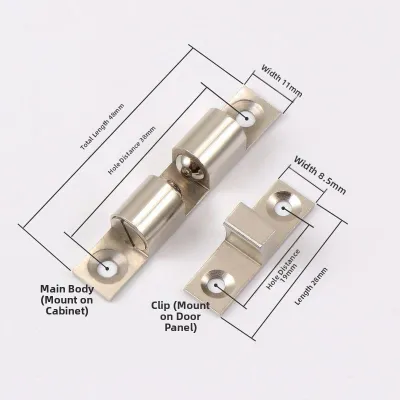
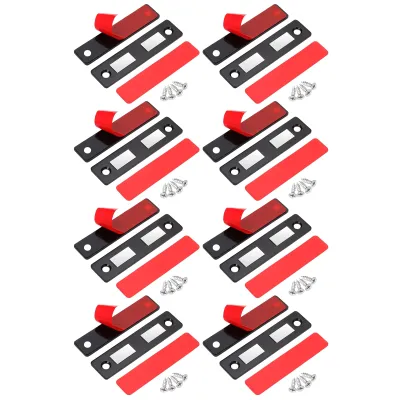
Prices are valid at publication and may change. Please refer to the product page for the latest price.
First, consider the magnet type and grade. High-quality magnetic locks utilize neodymium magnets, also known as rare-earth magnets. Neodymium magnets offer a much higher magnetic flux density than standard ceramic or ferrite magnets, allowing them to exert a powerful pull force even when they are small and lightweight. When reviewing product specifications, look for indications of the magnet’s grade, which is typically designated by an “N” followed by a number (such as N35, N42, or N52). A higher number indicates a stronger magnetic field. If a manufacturer does not specify the magnet type, the lock may use cheaper ferrite magnets, which are significantly weaker and more susceptible to demagnetization over time, especially when exposed to the heat generated by kitchen appliances.
Second, the mechanical design of the lock housing and latch is just as critical as the magnet itself. The magnet’s primary job is to act as a key to release the internal latch; the physical plastic or metal components are what actually hold the door shut against a child’s pull. Examine the thickness of the locking arm and the depth of the latch engagement. Locks constructed from high-impact ABS plastic, polycarbonate, or metal-reinforced resins are far less likely to bend, warp, or snap under sudden loads. A deep latch engagement—where the locking hook seats firmly into the receiver—enures that even if the door is pulled hard enough to create a slight gap, the mechanism will not slip or disengage.
Finally, there is a significant difference between a lock’s advertised holding strength and its real-world performance. Manufacturers often test their locks under ideal laboratory conditions, pulling them straight off flat, clean, raw steel plates. In a real kitchen, the holding capacity is affected by the texture of the appliance, the presence of protective coatings, and even the slight curve of the door. A textured surface reduces the contact area for adhesives, while a curved door can introduce shear forces that peel the lock away. Understanding these physical limitations helps you set realistic expectations and choose a lock design that mechanically compensates for any surface irregularities.
Installation Methods and Their Impact on Reliability
The method used to mount a magnetic lock to your refrigerator directly dictates how much pulling force it can withstand before failing. Even the strongest magnet or toughest plastic latch is useless if the mounting interface detaches from the appliance. Parents must choose between adhesive-mounted systems, screw-mounted hardware, or hybrid strap designs, each offering distinct advantages and trade-offs.

Adhesive tape mounts are the most popular choice because they do not require drilling into the appliance, making them ideal for renters and those wishing to preserve their refrigerator’s warranty. Most high-quality adhesive locks utilize heavy-duty double-sided acrylic foam tape, such as 3M VHB. For these adhesives to achieve their maximum rated holding strength, surface preparation is absolutely critical. The application area must be thoroughly cleaned with isopropyl alcohol to remove grease, dust, and kitchen oils, then allowed to dry completely. Once applied, the adhesive requires a specific curing time—often 24 to 72 hours—before it reaches its maximum bonding strength. Pulling on the lock before this curing period is complete will permanently compromise the adhesive bond.
In warm, humid kitchen environments, standard adhesives can soften and lose their grip over time. If your kitchen experiences high humidity or temperature fluctuations, look for temperature-resistant acrylic adhesives. Be aware that textured or matte finishes on some modern refrigerators do not allow the adhesive to wet out properly, leading to premature peeling. If the adhesive edges begin to lift even slightly, the entire lock can fail under a sudden tug from a toddler.
For absolute mechanical reliability, some heavy-duty locks allow or require screw mounting into the side cabinet or the refrigerator frame. While this provides a positive mechanical hold that cannot be peeled off, it comes with significant trade-offs. Drilling into a modern refrigerator can puncture cooling lines, damage electrical wiring, and void the manufacturer’s warranty. If you choose a screw-mounted option, it is vital to consult the appliance manual and verify the exact location of internal components before drilling, or limit the screws to surrounding wooden cabinetry.
An alternative to rigid adhesive blocks is the adjustable strap lock, which wraps around the corner of the refrigerator door or connects the door to the side panel. These designs distribute the pulling force along a flexible strap, reducing the concentrated peeling force on the adhesive pads. Some hybrid models combine a magnetic release mechanism with a heavy-duty woven or plastic strap. This setup is particularly useful for double-door (French door) refrigerators or units with deep, recessed handles where a standard rigid latch cannot span the gap.
Pre-Purchase Checks and Fridge Compatibility
Before purchasing any magnetic fridge lock, conducting a thorough compatibility check of your appliance is essential to avoid buying a product that cannot be safely or securely installed. Refrigerator designs vary widely, and what works perfectly on a standard white top-freezer model may fail entirely on a modern French-door unit with specialized finishes.
First, verify the material of your refrigerator door. Many modern premium appliances feature stainless steel doors that are non-magnetic due to their specific alloy composition (such as austenitic stainless steel). Take a simple kitchen magnet and test the exact spot where you plan to install the lock. If the magnet slides off or does not stick, any lock relying on magnetic surface adhesion will not work, and you must opt for an adhesive-based mechanical latch instead.
Second, measure the physical clearances of your appliance. Use a ruler or tape measure to check the gap between the refrigerator door and the main cabinet frame when the door is fully closed. The lock components must fit within this space without compressing or distorting the rubber door gasket. A deformed gasket can allow cold air to escape, leading to condensation, frost buildup, and increased energy consumption. Additionally, check the clearance around the door handles and the hinge side to ensure the lock arm does not obstruct the natural swing of the door or block access to adjacent drawers and cabinets.
Third, consult your refrigerator’s user manual regarding exterior coatings. Many modern appliances are treated with anti-fingerprint, smudge-resistant, or easy-clean coatings. These coatings are designed to repel oils and dirt, but they also actively reject the chemical bonds of childproofing adhesives. Review your appliance manual or contact the manufacturer to check if adhesives are safe to use on the finish. Some finishes can be permanently stained, discolored, or peeled away when removing strong adhesives, which is a crucial consideration for renters or those planning to resell the appliance.
Safety Limits and Maintenance for Childproofing
While a high-quality magnetic fridge lock is an excellent tool for managing access to kitchen appliances, it is vital to recognize the safety limits of any childproofing hardware. No physical lock is entirely toddler-proof, and relying solely on hardware without active supervision can lead to a false sense of security.
As children grow, their physical strength, coordination, and problem-solving abilities increase rapidly. A lock that successfully deters an 18-month-old may be easily bypassed or broken by a determined three-year-old who has observed how adults operate the mechanism. Active supervision and consistent behavioral boundaries—teaching children that the kitchen appliances are off-limits—remain the most critical components of home safety.
Kitchen hardware is subjected to constant use, moisture, and grease. Establish a routine to inspect the fridge lock at least once a month. Check for signs of plastic fatigue, such as stress whitening, hairline cracks, or loose hinges. Test the magnetic key to ensure the internal spring mechanism still retracts smoothly. In humid climates, check the adhesive backing for any signs of lifting, dirt accumulation, or sliding. If the lock feels loose or wobbly, it must be serviced or replaced immediately.
Knowing when to retire or replace a lock is vital for maintaining a safe environment. If you notice the adhesive pads sliding along the refrigerator surface, or if the edges have peeled back by more than a few millimeters, the lock’s holding capacity is severely compromised. Furthermore, if your child successfully operates the magnetic release or figures out how to yank the door open through sheer force, the lock has served its purpose and must be replaced with a different style of security device, such as a combination lock or a high-mounted latch out of the child’s reach.
Frequently Asked Questions (FAQ)
Can magnetic fridge locks damage stainless steel or glass refrigerator doors?
Yes, there is a risk of cosmetic damage if the lock is installed or removed incorrectly. Strong adhesives can leave behind a stubborn residue that, if scraped off with metal tools or harsh abrasive cleaners, can scratch stainless steel or damage the protective anti-fingerprint coating. For glass-fronted refrigerators, using excessive force to pry off a bonded lock can scratch or even chip the tempered glass. To safely remove adhesive-mounted locks, use a hair dryer on a low heat setting to soften the adhesive, then gently saw through the foam tape with a piece of dental floss or fishing line. Any remaining residue should be cleaned with a mild, adhesive-dissolving agent that is explicitly rated safe for your specific appliance finish.
What should I do if my toddler figures out how to use the magnetic key?
If your child discovers how the magnetic key works or locates where you store it, you must take immediate action to secure the appliance. First, relocate the magnetic key to a much higher, completely concealed location, such as the top of a nearby cabinet or a magnetic surface high on the side of the refrigerator that is well out of their line of sight and reach. If the child has already mastered the physical action of unlocking the latch, the magnetic system is no longer effective. In this scenario, you should transition to a different style of childproofing lock, such as a high-mounted mechanical latch, a digital combination lock, or a strap lock that requires dual-finger pinching action with a force threshold that young children cannot easily generate.

Community discussion
Share your experience or ask a question. Comments are reviewed before publication.