
When preparing a nursery, washing baby clothes is one of the most important steps in protecting a newborn’s delicate skin. Many parents wonder if household cleaning brands like Magica are suitable for this task. Evaluating the safety of any detergent requires a close look at its chemical composition, as baby skin is highly sensitive and prone to irritation from standard laundry ingredients. Because a newborn’s skin barrier is significantly thinner and more permeable than an adult’s, parents must inspect the exact ingredient list of their specific bottle to ensure it is free from harsh synthetic chemicals, strong dyes, and lingering optical brighteners.
While some detergent variants are formulated for high-efficiency stain removal, others might carry ingredients that can trigger contact irritation on sensitive skin. Understanding how to locate these ingredients, identifying potential irritants, and knowing how to monitor your baby’s skin will help you make an informed decision for your household.
How to Find and Read the Ingredient List on Magica Detergent
To evaluate Magica detergent, start by locating the ingredient list on the physical packaging. In many regions, liquid detergents display their ingredients on the back label, often in small print near the usage instructions or safety warnings. If the physical bottle only lists broad categories like “surfactants” or “fragrance,” visit the brand’s official regional website for a comprehensive ingredient disclosure. Keep in mind that formulations can vary significantly by country and may be updated over time to meet local regulatory standards or consumer preferences.
Products mentioned in this guide
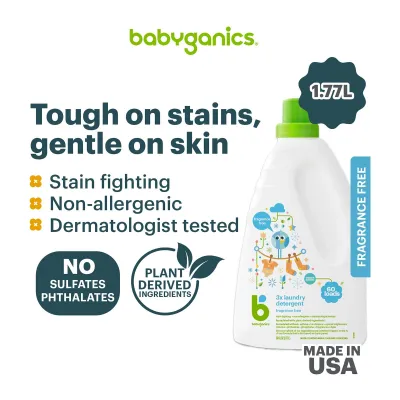
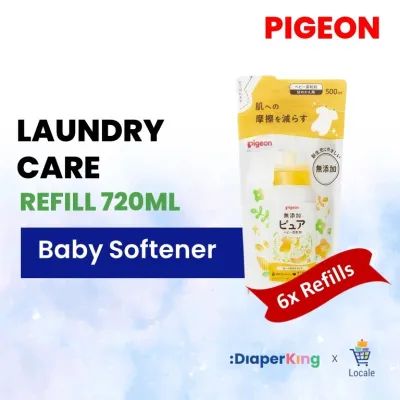
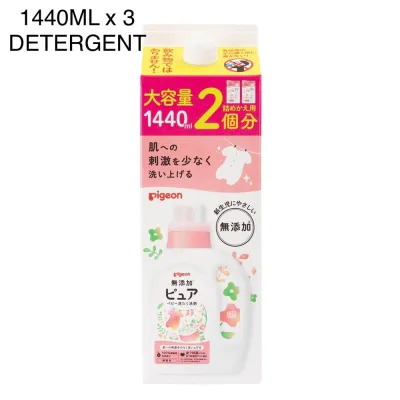
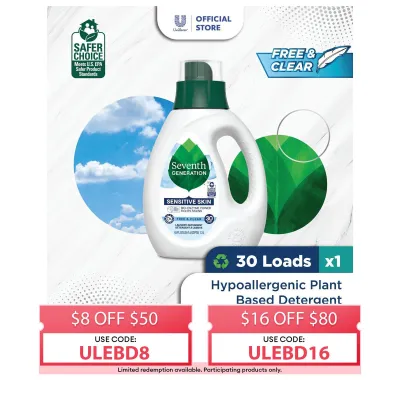
Prices are valid at publication and may change. Please refer to the product page for the latest price.
Different product variants under the same brand name can have vastly different formulations. For example, an antibacterial variant might contain specific sanitizing agents, while a floral-scented version will include synthetic perfumes. If there is a sensitive skin or baby-specific edition, its formula will typically be stripped of common irritants. Always read the ingredients in descending order of concentration. The first few ingredients listed make up the majority of the product, while those at the very bottom are present in trace amounts, though even minor ingredients like preservatives can still trigger skin reactions.
Common Detergent Ingredients That May Irritate Baby Skin
Standard laundry detergents often contain synthetic fragrances and dyes to make clothes smell fresh and look clean. However, these additives are among the most common causes of allergic contact dermatitis in infants. A baby’s skin barrier is still developing, making it much easier for artificial perfumes and colorants to penetrate and cause redness, itching, or dry patches. For this reason, pediatricians generally recommend avoiding scented products for infant laundry.

Optical brighteners are another group of chemicals frequently added to household detergents. These compounds do not actually clean the fabric; instead, they deposit a microscopic chemical film on the fibers that reflects light, making whites appear brighter. Because these chemicals are designed to remain on the fabric after rinsing, they can constantly rub against a baby’s skin, potentially causing irritation, especially in warm, humid climates where sweat can increase skin permeability.
Additionally, strong anionic surfactants and stain-removing enzymes are highly effective at breaking down tough stains but can be harsh on delicate skin. Surfactants like sodium lauryl sulfate (SLS) strip away natural oils, which can compromise the skin barrier. Enzymes, while excellent for digesting milk or food spills, must be completely rinsed out. If any active enzyme residue remains on the fabric, it can react with moisture on the baby’s skin and cause localized irritation.
Safety Labels and Certifications to Verify on the Packaging
When shopping for detergent, look for specific safety labels and certifications on the packaging. The term “hypoallergenic” is commonly used, but parents should understand that it is not a legal guarantee against allergic reactions. It simply means the product is formulated without the most common known allergens. “Fragrance-free” is a more reliable label, indicating that no scent chemicals have been added, whereas “unscented” products may still contain masking fragrances to neutralize the smell of raw ingredients.
Look for dermatologist-tested or pediatrician-tested seals on the bottle. When evaluating these claims, check if the packaging or the manufacturer’s website provides details about the testing methodology, the sample size, or the specific skin conditions tested. A reputable brand will often share these details transparently to reassure parents of their testing standards.
Low-residue or easy-rinse claims are also highly valuable. Detergents designed to rinse away cleanly minimize the risk of chemical buildup on baby garments, swaddles, and sleepwear. This is particularly important for fabrics that come into direct, prolonged contact with your baby’s skin throughout the day and night.
Monitoring Your Baby's Skin Reaction and Next Steps
Even if a detergent appears safe on paper, monitoring your baby’s skin is the ultimate test. Watch for early warning signs of irritation, which typically appear in areas with the most friction, such as the collar, cuffs, or diaper line. Look for localized redness, dry or rough patches, tiny bumps, or hives. Sometimes, the only sign of discomfort is increased fussiness or scratching when the baby is dressed in freshly laundered clothes.
Before washing an entire load of baby clothes in a new detergent, perform a simple, controlled test. Wash a single small item, such as a muslin cloth or a bib, using the detergent. Let your baby wear or use the item under close supervision for a few hours. If no redness or irritation occurs within 24 to 48 hours, the detergent is likely safe for broader use on their wardrobe.
If you notice any signs of skin irritation, discontinue use of the detergent immediately. Wash all affected clothing in plain water or a verified safe, fragrance-free alternative to remove any lingering residue. If the rash does not improve, spreads to other areas, or causes your baby significant discomfort, seek professional medical advice from a pediatrician to rule out other potential causes.
Frequently Asked Questions (FAQ)
Can I use regular Magica detergent for baby clothes if I double rinse?
While running an extra rinse cycle can help wash away loose surfactant residues, it may not completely remove ingredients designed to stick to fabrics. Optical brighteners and heavy synthetic fragrances are chemically formulated to bind tightly to clothing fibers so they survive the wash and rinse cycles. If the regular Magica detergent variant contains these stubborn chemicals, double rinsing may still leave behind enough residue to irritate a newborn’s highly sensitive skin. For peace of mind, it is best to use a dedicated baby-safe detergent.
What should I do if my baby develops a rash after wearing freshly washed clothes?
If a rash appears, immediately remove the clothing and dress your baby in garments washed without the suspected detergent. Stop using the product for all household laundry that the baby might touch, including your own clothes and bedsheets. Wash the affected items in plain water or a mild, fragrance-free alternative. Keep the skin clean and dry, and consult a pediatrician for a proper diagnosis, as rashes can also be triggered by heat, sweat, or other environmental factors.

Community discussion
Share your experience or ask a question. Comments are reviewed before publication.