
When introducing solids, parents often look to convenient options like Maeil porridge to support their baby’s growth. To determine what nutrients this commercial baby food provides, you must look closely at the product’s packaging, as nutritional content varies significantly across different stages and flavor profiles. Generally, these prepared baby porridges aim to deliver essential macronutrients like carbohydrates and proteins, alongside key micronutrients tailored to specific developmental milestones. However, because formulations change and individual dietary needs differ, verifying the exact nutritional breakdown on the label is the most reliable way to ensure your child receives adequate nourishment.
Essential Nutrients for Babies Starting Solids
Starting solid foods is a major milestone that transitions your baby from an exclusive milk diet to a world of diverse textures and flavors. Around the six-month mark, a baby’s natural iron and zinc stores begin to deplete, making these two micronutrients critical targets for early solid foods. Ensuring your baby receives sufficient dietary iron is vital for healthy cognitive development and oxygen transport throughout the body.
In addition to key minerals, growing infants require a balanced intake of healthy fats, quality proteins, and complex carbohydrates. Fats are essential for rapid brain development, while proteins provide the building blocks for muscles and tissues. Complex carbohydrates, often sourced from grains like rice or oats in baby porridges, offer the sustained energy active infants need as they begin to crawl and explore.
Products mentioned in this guide
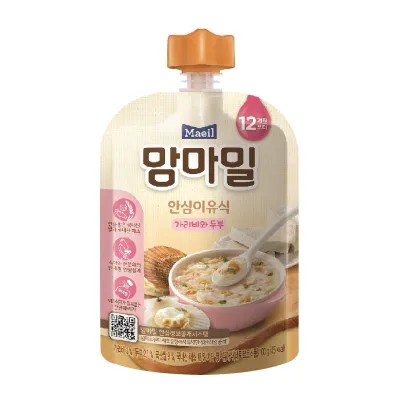
![[Bundle of 3] Maeil Mamma Meal Scallop and Tofu porridge/ Abalone & Mixed Veggies 100 Grams](https://img.lazcdn.com/g/p/a5609b2f7cf39e05fc1100df08adfc94.png_400x400q80.png_.webp)
![[Bundle Deal of 6] Maeil Mamma Meal Scallop and Tofu porridge/ Abalone & Mixed Veggies](https://img.lazcdn.com/g/p/bfbcfcf33c6938468ef92377e41b378f.png_400x400q80.png_.webp)
![[15 Months+] Maeil Mamma Meal Food Pouch](https://img.lazcdn.com/g/p/840314d41600b447cc34193f2be5ee2b.jpg_400x400q80.jpg_.webp)
![[SG Stock] Maeil | Mamma Meal | Baby Food Puree](https://img.lazcdn.com/g/p/a36226eb1125800e72df8c8937625c03.png_400x400q80.png_.webp)

Prices are valid at publication and may change. Please refer to the product page for the latest price.
When evaluating any commercial baby food, a primary pediatric guideline is to minimize or completely avoid added sugars, excessive sodium, and artificial additives. Young infants do not need added salt or sweeteners, which can strain their developing kidneys and shape a preference for overly sweet or salty foods later in life.
While convenient pre-packaged options like Maeil porridge offer a practical solution for busy days, they should ideally serve as a supplement to a varied whole-food diet. Introducing fresh, home-prepared ingredients alongside commercial options helps ensure your baby experiences a wide range of natural textures and flavors, fostering healthy long-term eating habits.
How to Evaluate the Maeil Porridge Nutrition Label
To understand exactly what your baby is consuming, you must become adept at reading the nutrition information panel on the back of the packaging. Start by locating the macronutrient and micronutrient breakdown per serving, rather than just looking at the percentages, to see how the protein, fat, and carbohydrate levels align with your baby’s daily requirements. Keep in mind that serving sizes can vary, so you may need to calculate the actual intake if your baby only eats half a pouch or bowl.

Next, carefully scan the ingredient list, which is organized by weight from highest to lowest. Look out for hidden sugars that might be listed under alternative names, such as fruit juice concentrates, syrups, or maltodextrin. It is also wise to check for unnecessary thickeners, starches, or sodium levels that might be higher than expected for a simple infant meal.
Allergen identification is another critical step when reviewing the label. Major allergens—such as soy, wheat, dairy, seafood, sesame, and nuts—must be clearly highlighted or listed in the allergen warning section. If your family has a history of food allergies, or if your baby has shown sensitivities, this step is paramount before introducing any new product.
Finally, always verify the manufacturer’s recommended age range, serving size, and specific preparation instructions printed on the package. These guidelines are designed to match the nutritional density and safety requirements of specific developmental stages, helping you avoid accidental overfeeding or underfeeding.
Matching Porridge Choices to Your Baby's Developmental Stage
As babies grow, their nutritional needs and oral motor skills change rapidly, requiring a shift in both the texture and composition of their food. Stage 1 porridges, typically designed for infants around six months old, focus on simple, single-ingredient or highly simplified blends with an ultra-smooth, pureed texture. At this stage, the primary goal is introducing the concept of swallowing solids and checking for basic tolerance, often with a focus on iron-fortified grain bases.
By Stage 2, which generally spans from eight to ten months, infants are ready for slightly thicker textures and small, soft chunks that encourage chewing. These formulations often introduce mixed proteins, such as finely minced meats or tofu, alongside a wider variety of vegetables. This diversity not only expands their palate but also helps develop the oral motor coordination needed for more complex foods.
Stage 3 options, suitable for toddlers aged twelve months and older, transition toward more complex textures and balanced macronutrient profiles that closely resemble family meals. These meals often feature larger soft pieces, diverse grains, and more complex flavor combinations to support the nutritional demands of an active toddler.
Because developmental readiness varies from child to child, always cross-reference the specific age recommendation on the Maeil packaging before serving. If your baby struggles with a particular texture or shows signs of gagging beyond normal exploration, it may be necessary to step back to a smoother stage and consult your pediatrician.
Safe Preparation, Storage, and Feeding Practices
Proper food safety is essential when preparing commercial baby food to protect your infant’s delicate digestive system from foodborne illness. Always follow the manufacturer’s exact heating instructions, whether using a microwave or a warm water bath. Overheating can destroy heat-sensitive nutrients and create dangerous hot spots in the porridge, so always stir the food thoroughly and test the temperature on the inside of your wrist before feeding.
Once a pouch or bowl of porridge is opened, strict storage rules apply to prevent bacterial growth. If you feed your baby directly from the container, saliva can introduce bacteria into the food, meaning any leftovers must be discarded. If you plan to save a portion, spoon the desired amount into a separate clean bowl first, then immediately seal and refrigerate the remaining portion in the original container according to the manufacturer’s specified time limits, usually within 24 hours.
When introducing a new flavor or ingredient blend, practice the standard wait period of three to five days before introducing another new food. This systematic approach allows you to isolate and identify the source of any potential allergic reaction or digestive upset.
Monitor your baby closely during and after feeding for any adverse reactions. If you observe signs such as persistent vomiting, unexplained skin rashes, hives, swelling, or a sudden, intense refusal to eat, stop feeding immediately and consult a pediatrician or seek medical attention.
Frequently Asked Questions (FAQ)
Can I mix Maeil porridge with breast milk or formula?
Yes, you can often mix express breast milk or prepared infant formula into baby porridge to adjust the texture or make the flavor more familiar for a hesitant eater. Always check the manufacturer’s guidelines on the product label first to ensure there are no specific contraindications for liquid additions. If you do mix in milk, ensure the porridge is not overheated, as high temperatures can destroy the beneficial nutrients and immunological properties present in breast milk or formula.
How do I know if my baby is getting enough iron from commercial porridge?
To evaluate your baby’s iron intake, compare the iron percentage listed on the product’s nutrition facts label against the standard daily pediatric recommendations for your baby’s age group. To naturally enhance the absorption of non-heme iron found in grain-based porridges, pair the meal with a small side of vitamin C-rich foods, such as a spoonful of pureed berries or kiwi. If you suspect your baby is not getting enough iron or notice signs of lethargy, consult a pediatrician for a professional assessment rather than relying on self-supplementation.

Community discussion
Share your experience or ask a question. Comments are reviewed before publication.