
Selecting the right changing table is one of the most practical decisions you will make when preparing your nursery. In Singapore, where residential layouts often require smart space utilization, finding a balance between compact design, storage capacity, and safety is essential. Lucky Baby has long been a familiar brand among local parents, offering nursery furniture designed to streamline daily caregiving routines. Because specific retail inventory, model names, and stock levels frequently change, the most reliable way to choose a unit is to understand how to evaluate the core features, dimensions, and safety specifications of the models currently available on the market.
By focusing on structural design, material quality, and ergonomic fit, you can select a changing station that integrates seamlessly into your home. This guide provides a comprehensive framework to help you assess the available options, measure your space accurately, and verify critical safety standards before making your purchase.
Core Features to Evaluate in Lucky Baby Changing Tables
When comparing different changing table designs, your first consideration should be how the unit’s storage configuration aligns with your daily diapering workflow. Open-shelf designs are highly favored by parents who prioritize speed and immediate visibility. During an active diaper change, safety guidelines dictate that you must keep at least one hand on your baby at all times. Having open shelves directly beneath the changing surface allows you to grab diapers, wipes, cotton balls, and barrier creams instantly without having to look away or fumble with drawer handles. However, because open shelves expose your baby’s items to the air, they can accumulate dust quickly, which may require more frequent cleaning in Singapore’s humid environment.
Products mentioned in this guide
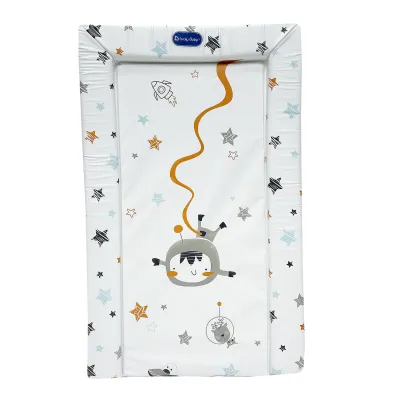
Prices are valid at publication and may change. Please refer to the product page for the latest price.
Enclosed-drawer designs offer a different set of advantages, primarily centered on organization and cleanliness. Drawers keep baby clothes, extra bedding, and bulk toiletries protected from dust, moisture, and household allergens. This configuration also maintains a neat, clutter-free aesthetic in the nursery. The trade-off is that drawers require physical clearance to pull open, and you must ensure the drawer glides operate smoothly and quietly so you do not disturb a sleeping baby or shake the entire changing station during use. Some parents opt for a hybrid design that features an open cubby directly below the changing surface for immediate essentials, paired with drawers underneath for long-term storage.
Surface materials and padding quality are equally critical to your baby’s comfort and hygiene. Look for changing surfaces that feature wipeable, non-porous covers, such as phthalate-free PVC or water-resistant polyurethane. These materials resist staining from diaper mishaps and can be sanitized quickly with baby-safe wipes. Avoid porous fabrics or low-quality plastic covers that can crack over time, as cracks can trap moisture and harbor bacteria. The underlying padding should be firm and supportive; soft, plush padding might feel comfortable initially, but it can allow the baby’s body to sink through to the hard wooden or plastic frame, which compromises both comfort and safety.
Mobility is another functional feature to consider, especially if you plan to use the changing station in multiple rooms. Models equipped with casters allow you to easily wheel the table from the nursery to the living room during the day, or into the bathroom for post-bath dressing. If you choose a mobile model, you must verify that the casters are highly durable and feature robust, easy-to-engage locking mechanisms. The locks should be applied whenever the table is stationary, particularly during a change, to prevent any accidental movement. Additionally, check that the wheels are made of a non-marring material that will not scratch or scuff parquet, vinyl, or tiled flooring.
Finally, consider the long-term utility of the furniture by looking for convertible designs. Because babies outgrow changing tables within the first year or two, a single-purpose station can quickly become obsolete. Many modern units are designed to transition into standard chests of drawers, toy storage shelves, or even small study desks once the diapering phase is complete. Investing in a convertible model extends the lifespan of the furniture, providing better long-term value and reducing waste, which is a highly practical consideration for growing families.
Matching the Unit to Your Nursery Space and Layout
Before purchasing any nursery furniture, taking precise measurements of your designated space is essential to ensure a safe and functional layout. In typical Singapore apartments, bedroom space can be limited, making it crucial to plan for both the static footprint of the changing table and the dynamic space required to use it. Start by measuring the floor area where the table will stand, but do not stop there. You must also account for the “working clearance”—the physical space you need to stand comfortably in front of the table without hitting your heels against the base or blocking the main walkway of the room. If you select a model with drawers or cabinets, measure the depth of the unit with the drawers fully extended to ensure they do not collide with nearby walls, doors, or the crib.

Ergonomics play a vital role in preventing physical strain during the thousands of diaper changes you will perform over your child’s infancy. The height of the changing surface should align comfortably with the primary caregiver’s stature. To find your ideal height, stand upright and bend your elbows at a 90-degree angle; the changing surface should sit slightly below this level. If the table is too low, you will find yourself constantly hunching over, which can lead to severe lower back and shoulder strain. If the table is too high, lifting the baby onto the surface and managing active changes becomes awkward and physically taxing. If multiple caregivers of varying heights will be using the table, look for a model that offers adjustable height settings or select a middle-ground height that accommodates everyone reasonably well.
Integrating the changing table into a logical “caregiving triangle” will make your daily routine significantly smoother. Ideally, the changing station should be positioned close to the crib for easy transitions during nighttime changes, but far enough away that an older baby cannot reach out from the crib and grab items from the changing table. It should also be situated within arm’s reach of a diaper disposal bin and close to a hand-washing area or sanitizing station. This layout minimizes the distance you need to carry a soiled diaper or a messy baby, reducing the risk of spills and keeping the nursery environment hygienic.
Lastly, assess the structural stability of the unit in relation to your home’s flooring. Whether your nursery has ceramic tiles, vinyl planks, or engineered timber, the changing table must sit perfectly level without wobbling. If your floors are slightly uneven, look for models with adjustable leveling feet. Because changing tables can become top-heavy when a baby is placed on top, or when multiple drawers are pulled open simultaneously, it is highly recommended to anchor the unit securely to the wall. Many manufacturers include wall-anchoring hardware with their furniture; if yours does, ensure it is installed correctly according to the instructions to eliminate any risk of tipping.
Essential Safety and Specification Checks
Safety must be your absolute priority when selecting any baby product, and changing tables require rigorous inspection before use. Begin by examining the changing surface’s protective barriers. A safe changing table should feature raised edges or guardrails on all sides—or at least on the two longer sides—to prevent your baby from rolling off the edge. These barriers should be structurally solid and stand at least 5 to 10 centimeters above the changing pad. While contoured changing pads with raised sides offer excellent lateral support and help keep the baby centered, they are a secondary comfort feature and should never be relied upon as a substitute for solid, built-in wooden or plastic guardrails.
Safety straps are another common feature designed to help secure your baby during changes. When inspecting a model, check that the safety strap is securely anchored directly to the main frame of the table, rather than just attached to the removable changing pad or fabric cover. The buckle should be easy for you to operate with one hand but secure enough that a curious toddler cannot easily undo it. It is vital to remember that safety straps are designed to assist in keeping a squirming baby in place; they do not prevent falls if a child is left unattended. Never leave your baby alone on a changing table for even a split second, regardless of whether the safety strap is fastened.
To ensure the unit meets rigorous manufacturing standards, look for visible safety certification marks on the product packaging, the user manual, or the physical unit itself. Standard certifications, such as EN 12221 (the European safety standard for domestic changing tables) or ASTM F2388 (the American standard), indicate that the product has undergone testing for structural integrity, material toxicity, and stability. Because safety standards and certifications can be updated or vary by region, always verify these details directly against the manufacturer’s official documentation or product labels rather than relying on third-party retail descriptions.
Finally, always locate and review the manufacturer’s explicitly stated weight and age limits. Most standard changing tables are rated to support babies up to a specific weight, typically around 11 to 15 kilograms, or until the child reaches approximately 12 to 24 months of age. However, physical development is often a more critical indicator than age or weight alone. You should stop using the elevated changing table immediately if your baby begins to sit up, crawl, or attempt to climb the guardrails, as these active movements significantly increase the risk of a fall. At that stage, transitioning to changing your baby on a clean, padded mat on the floor is the safest course of action.
Checking Availability and Purchasing in Singapore
When you are ready to purchase a Lucky Baby changing table, navigating local retail channels carefully will ensure you receive an authentic product with reliable customer support. Visiting established physical mother-and-baby retail stores or major baby fairs in Singapore is highly recommended. Seeing the physical display models allows you to personally test the build quality, feel the sturdiness of the frame, check how smoothly the drawers slide, and verify how securely the caster locks engage. It also gives you a realistic sense of the unit’s actual size and color, helping you visualize how it will look in your nursery.
If you prefer the convenience of online shopping, browse authorized online storefronts or the official brand stores on major local e-commerce platforms. Purchasing from authorized sellers protects you from counterfeit goods and ensures that you are covered by the manufacturer’s official warranty. When shopping on third-party marketplaces, take the time to verify the seller’s credentials. Look for high seller ratings, read recent customer reviews specifically focusing on furniture delivery, and check if other buyers have reported receiving damaged or incomplete packages.
Before finalizing your online purchase, pay close attention to the delivery and assembly options. Bulky nursery furniture can be heavy and challenging to transport, so check if the retailer offers delivery directly to your home and whether there are additional fees for walk-up apartments without lift access. Many retailers offer professional assembly services for a small fee or include it as part of a delivery package. Opting for professional assembly is often a wise investment, as it ensures that all structural joints, safety barriers, and wall anchors are installed correctly and securely according to the manufacturer’s specifications.
Lastly, review the retailer’s return and exchange policies before completing your transaction. Ensure you understand the process for reporting any transit damage, missing parts, or manufacturing defects. Keep all original packaging and receipts until the unit is fully assembled and thoroughly inspected, as most retailers require them for returns or warranty claims. By taking these practical steps, you can complete your purchase with confidence, knowing you have selected a safe, functional, and durable changing station for your nursery.
Frequently Asked Questions (FAQ)
Can I use a standard dresser instead of a dedicated changing table?
Yes, you can repurpose a sturdy, appropriately sized dresser as a changing station, provided it meets key safety and ergonomic requirements. The dresser must be at a comfortable working height for the caregiver and have a flat, stable top surface wide enough to accommodate a changing pad. To do this safely, you must secure a contoured changing pad to the top of the dresser using non-slip mats, adhesive strips, or mounting brackets screwed directly into the back of the furniture to prevent the pad from sliding. Crucially, you must anchor the dresser securely to the wall using anti-tip straps; when drawers are pulled out or when a baby shifts their weight on top, the center of gravity changes, creating a severe tipping hazard that wall anchors prevent.
How do I clean and maintain the changing pad surface?
To maintain a hygienic changing environment, wipe down the changing pad surface after every use with a damp cloth and mild, baby-safe soap or alcohol-free disinfectant wipes. Avoid using harsh chemical cleaners, bleach, or abrasive scrubbing pads, as these can degrade the waterproof coating, cause the material to crack, and expose the inner foam to moisture and bacteria. Periodically inspect the seams, corners, and underside of the pad for any signs of wear, tearing, or peeling. If you notice any deep scratches or exposed foam where moisture can accumulate, replace the changing pad immediately to ensure your baby’s environment remains clean and safe.

Community discussion
Share your experience or ask a question. Comments are reviewed before publication.