
To understand how Lovemere baby laundry detergent works and whether it is gentle enough for your baby’s sensitive skin, you must look closely at its ingredient label. Baby detergents typically rely on mild, plant-derived cleaning agents to lift organic stains like milk and food while avoiding harsh chemical residues that can trigger irritation. In Singapore’s warm and humid climate, babies sweat frequently, requiring regular laundry cycles that demand a detergent that is both highly effective and exceptionally mild. By learning how to analyze the ingredient list, you can make an informed decision that protects your baby’s skin barrier while keeping their clothes fresh and clean.
How to Find and Read the Lovemere Ingredient List
When purchasing baby detergent, the first step is locating the full ingredient list to verify exactly what will come into contact with your infant’s skin. For Lovemere products, this list is typically printed on the back or side panel of the physical bottle packaging. If you are shopping online via an ecommerce platform or the official brand website, look for a dedicated ingredients tab, a product specification section, or a high-resolution image of the back label.
Understanding how to read this list is crucial for evaluating the concentration of different substances. Ingredients are legally required to be listed in descending order by weight. This means the first few ingredients listed make up the largest percentage of the formula, while those at the very end are present in much smaller, often trace, amounts. If water is listed first, it serves as the primary liquid carrier, followed by the active cleaning agents and then the minor additives.
Products mentioned in this guide
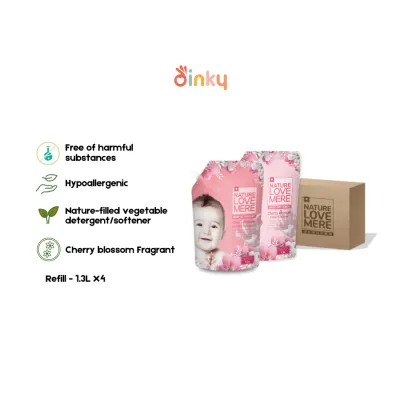
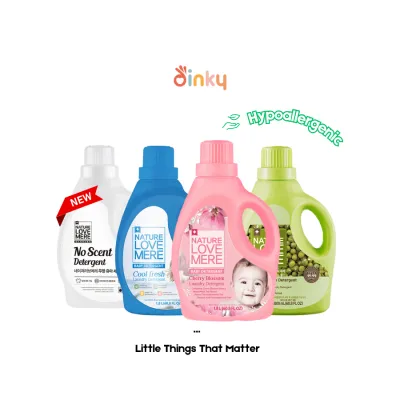
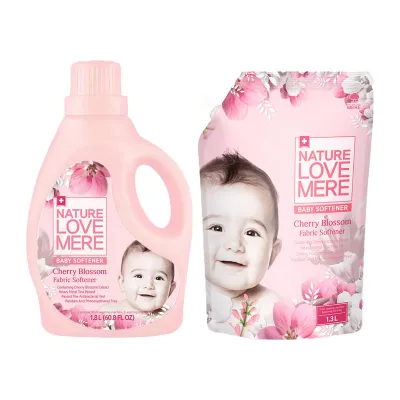
Prices are valid at publication and may change. Please refer to the product page for the latest price.
When analyzing the label, distinguish between active cleaning agents and inactive supporting ingredients. Active ingredients, such as surfactants, do the heavy lifting of breaking down oils, sweat, and dirt. Inactive ingredients, including water, pH adjusters, and preservatives, maintain the liquid’s stability, shelf life, and consistency. Checking these components allows you to verify the exact formulation before the detergent touches your baby’s garments.
Understanding Cleaning Agents and How They Remove Baby Stains
The primary function of any detergent is to lift soils from fabric fibers and suspend them in water so they can be rinsed away. In baby detergents, the choice of cleaning agents determines both stain-removal performance and skin compatibility. Most formulations rely on surfactants, which are compounds containing a hydrophilic (water-attracting) head and a hydrophobic (water-repelling) tail. The hydrophobic tail attaches to oily dirt, while the hydrophilic head remains in the water, pulling the stain out of the fabric during the wash cycle.

You will generally find a choice between plant-derived surfactants and petroleum-based surfactants on detergent labels. Plant-derived options, often sourced from coconut, palm kernel, or corn, are widely favored in baby care because they tend to degrade easily and leave fewer harsh residues on clothing. Common examples include coco-glucoside, decyl glucoside, and sodium coco-sulfate. Petroleum-based surfactants can be highly effective at cutting grease but may carry a higher risk of irritating delicate skin if they are not thoroughly rinsed from the fabric fibers.
Organic stains—such as breast milk, formula, spit-up, and early food purees—require targeted action to break down completely. Many baby detergents incorporate specific enzymes to target these complex proteins and fats. For example, proteases break down protein-based milk stains, while amylases target starches from baby food. When reviewing the Lovemere label, check for these enzyme classifications to match the detergent’s capabilities with your baby’s typical laundry soil levels, keeping in mind that some ultra-sensitive formulas omit enzymes entirely to minimize any risk of skin reaction.
To ensure you select the right product, inspect the label for the specific surfactant types used. If your baby is prone to heavy spit-up or diaper leaks, a formula combining mild plant-derived surfactants with targeted enzymes will offer the necessary cleaning power without relying on aggressive chemical stripping agents.
Evaluating Gentleness: What to Look for on the Ingredient Label
Evaluating the gentleness of a baby detergent requires looking for what is excluded from the formula just as much as what is included. Delicate infant skin is significantly thinner and more permeable than adult skin, making it highly susceptible to chemical absorption and contact dermatitis. A truly gentle formula focuses on minimizing potential allergens while maintaining a balanced pH that respects the skin’s natural protective barrier.
Start by identifying the presence and type of fragrances on the ingredient label. While a pleasant scent is appealing, added synthetic fragrances are among the most common triggers for skin irritation and respiratory sensitivities in infants. Confirm whether the product is labeled as fragrance-free or if it utilizes mild, natural extracts. If your baby has extremely sensitive skin, eczema, or a family history of allergies, a completely fragrance-free formula is generally the safest choice to prevent flare-ups.
Next, check the label for the absence of optical brighteners, harsh preservatives, and artificial dyes. Optical brighteners are synthetic chemicals designed to remain on fabric fibers to reflect light, making clothes appear whiter and brighter. Because they do not rinse out, they stay in constant contact with the skin, potentially causing irritation. Similarly, avoid harsh preservatives like parabens, methylisothiazolinone (MIT), or formaldehyde-releasing agents, as well as unnecessary artificial colorants that serve only an aesthetic purpose.
Additionally, look for mild fabric conditioning agents within the detergent itself. Traditional fabric softeners work by coating fibers in a thin layer of chemicals, which can reduce the absorbency of baby towels and cloth diapers while irritating sensitive skin. A baby detergent that incorporates mild, built-in conditioning agents can keep garments soft and comfortable without the need for a separate, potentially irritating softening product. You should also look for pH adjusters like citric acid, which help keep the detergent’s pH close to the natural, slightly acidic pH of healthy skin.
How to Test the Detergent for Cleaning Power and Skin Safety
Before committing to washing your baby’s entire wardrobe with a new detergent, it is wise to perform a controlled test. This helps you evaluate both the cleaning performance of the product and how your baby’s skin reacts to the washed fabrics. Taking a systematic approach ensures you do not expose your infant to widespread skin irritation from an incompatible formula.
Begin by washing a small batch of baby clothes, such as a few onesies or washcloths, using the new detergent. Once dried, inspect the garments closely in good lighting. Check for any visible residue, white streaks, or unusual stiffness in the fabric. A high-quality baby detergent should rinse away completely, leaving the fabric feeling soft and clean rather than coated, stiff, or heavily scented.
Next, have your baby wear one of the test garments and monitor their skin closely over the next 24 to 48 hours. Look for any signs of redness, dry patches, tiny bumps, or itching, particularly in areas where the fabric fits snugly, such as the collar, cuffs, and diaper line. If no reaction occurs, the detergent is likely compatible with your baby’s skin, and you can proceed with washing the rest of their laundry.
When using the detergent, always adjust the dosage based on the manufacturer’s instructions printed on the bottle. In Singapore, where tap water is generally soft, you may require less detergent than the maximum recommended dose. Overusing detergent can lead to soap buildup in the fabric fibers, which traps dirt and irritates skin. Always store the detergent bottle securely out of reach of children, ensuring the cap is tightly closed after every use.
If you observe any adverse skin reactions, stop using the detergent immediately. Re-wash the affected clothing in plain, hot water to strip away any remaining residue, and consult a pediatrician or qualified healthcare professional to address the skin irritation and identify potential allergens.
Frequently Asked Questions (FAQ)
Is Lovemere baby detergent safe for newborn skin?
To verify if Lovemere baby detergent is safe for newborn skin, carefully examine the product packaging for specific dermatological testing claims or pediatrician recommendations. Newborn skin is exceptionally delicate, so you should verify the absence of known harsh chemicals, strong synthetic fragrances, and optical brighteners on the ingredient list. If your newborn has a pre-existing skin condition, such as neonatal acne or eczema, or if you have a family history of severe allergies, consult a healthcare professional before introducing any new laundry products.
Do I need a separate fabric softener when using baby detergent?
You generally do not need a separate fabric softener when washing baby clothes. Check the Lovemere label to see if the formula already includes mild, built-in conditioning agents designed to keep fabrics soft. Traditional liquid fabric softeners leave a chemical residue on clothing that can significantly reduce the absorbency of cotton garments, bibs, and cloth diapers, while also increasing the risk of skin irritation. Instead of chemical softeners, rely on proper drying techniques, such as line drying in a well-ventilated area or using a low-heat dryer cycle, to keep baby garments soft and safe.

Community discussion
Share your experience or ask a question. Comments are reviewed before publication.