
When preparing for a newborn’s arrival, choosing a laundry detergent is one of the most critical decisions parents face. A baby’s skin is significantly thinner and more permeable than adult skin, making it highly susceptible to irritation, dryness, and contact dermatitis from harsh chemical residues. Lovemere baby detergent is a popular choice among parents seeking a gentle cleaning solution, but determining its absolute safety for your newborn requires a close examination of its specific ingredient list. Because formulations can be updated or vary by region, verifying the exact components on the physical bottle is the most reliable way to ensure it aligns with your baby’s skin needs.
Newborns lack the fully developed skin barrier that older children and adults possess. This means any chemical residues left behind on clothing, swaddles, or bedding can easily penetrate the skin, leading to flare-ups or allergic reactions. To evaluate whether Lovemere or any other baby-specific detergent is truly safe for your infant, you must look beyond marketing claims like “gentle” or “natural” and learn how to decode the ingredient label. By understanding what goes into these formulations and how to monitor your baby’s skin, you can make an informed choice that keeps your little one comfortable and rash-free.
How to Read and Verify the Lovemere Ingredient Label
To accurately assess the safety of Lovemere baby detergent, you must first locate and examine the ingredient panel. This panel is typically printed on the back or side of the physical bottle, though it can also be found on the manufacturer’s official product pages. When reviewing the label, keep in mind that ingredients are legally required to be listed in descending order of concentration. The components listed at the very top of the panel make up the majority of the liquid, while those at the bottom are present in much smaller quantities, such as preservatives or fragrance components.
Products mentioned in this guide
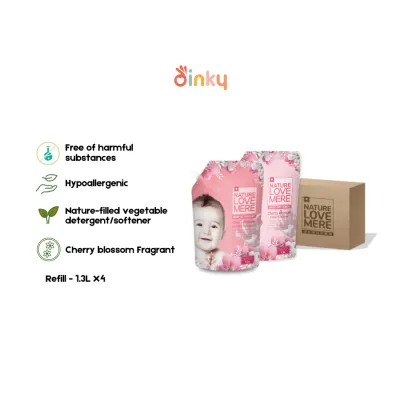
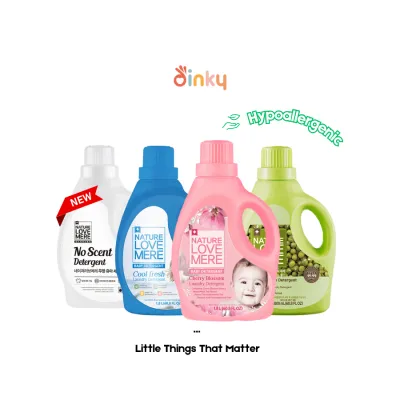
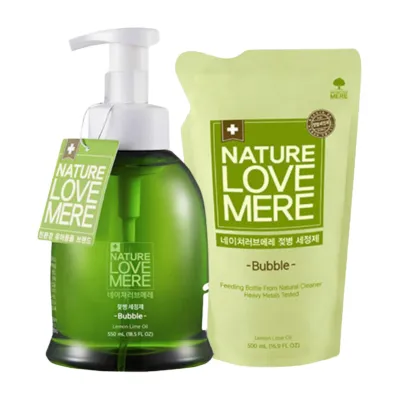
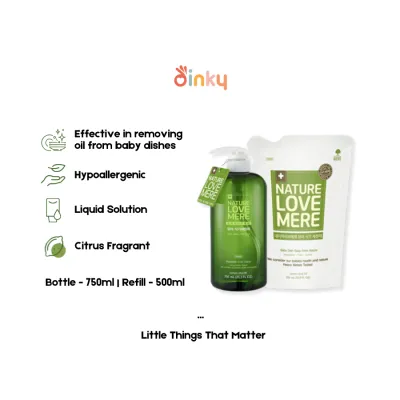
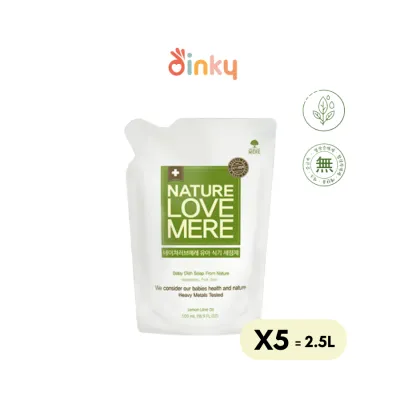
Prices are valid at publication and may change. Please refer to the product page for the latest price.
Relying solely on online product descriptions or third-party retail listings can sometimes be misleading. Manufacturers frequently update their formulations to improve cleaning performance, comply with new environmental standards, or source alternative raw materials. Consequently, a blog post or an e-commerce listing from a year ago might not reflect the exact bottle sitting on your laundry shelf. Always make it a habit to check the physical label of the specific bottle you purchase before using it on your newborn’s laundry.
When reading the label, look for clear chemical or botanical names rather than vague category terms like “surfactants” or “cleaning agents.” A transparent brand will list the specific compounds used, such as coco-glucoside or sodium lauryl sulfate, allowing you to identify potential irritants. If a label uses broad terms without specifying the exact chemical entities, you may want to contact the manufacturer directly or opt for a product that offers full ingredient disclosure to ensure complete peace of mind.
Common Baby Detergent Ingredients to Evaluate
Baby detergents generally utilize a combination of cleaning agents, stabilizers, and preservatives to remove stains while keeping the liquid shelf-stable. Understanding these categories helps you evaluate whether a formula is appropriate for newborn skin.

Surfactants are the primary cleaning agents responsible for lifting dirt and oils from fabric fibers. In baby detergents, these are often plant-derived surfactants, such as those derived from coconut or corn (for example, decyl glucoside, coco-glucoside, or lauryl glucoside). These plant-based options are generally highly tolerated by sensitive skin because they clean effectively without stripping the skin’s natural lipid barrier. In contrast, petroleum-based surfactants like sodium lauryl sulfate (SLS) or sodium laureth sulfate (SLES) are stronger cleansers but are known to cause dryness or irritation in individuals with highly sensitive skin or eczema.
Fragrances and Dyes are common culprits behind contact dermatitis in infants. Synthetic fragrances often contain complex mixtures of chemicals, including phthalates, which can trigger respiratory issues or skin irritation. Even natural essential oils can be highly sensitizing to a newborn’s delicate skin. Dyes are purely aesthetic additions that serve no functional purpose in cleaning clothes. For newborns, pediatricians and dermatologists universally recommend choosing formulas that are completely dye-free and fragrance-free to minimize the risk of allergic sensitization.
Preservatives are necessary in water-based detergents to prevent the growth of harmful bacteria, mold, and yeast over time. However, some preservatives are highly sensitizing. Parents should check labels for formaldehyde-releasing preservatives (such as DMDM hydantoin or imidazolidinyl urea) and methylisothiazolinone (MI), which have been linked to severe skin allergies. Safer alternative preservatives include food-grade options like potassium sorbate or sodium benzoate, which provide adequate shelf-life protection with a much lower risk of skin reactivity.
Enzymes are biological catalysts used to break down tough organic stains, such as milk, formula, spit-up, and feces. Common enzymes include amylase, protease, and lipase. While enzymes are highly effective at keeping baby clothes clean, they can sometimes remain trapped in the fabric fibers after washing. For babies with extremely sensitive skin or active eczema, these residual enzymes can cause mild localized irritation. If your newborn has compromised skin, you may want to start with an enzyme-free formula or ensure your washing routine removes all traces of detergent.
Decoding Hypoallergenic and Safety Claims
When browsing the baby care aisle, you will encounter numerous marketing terms designed to reassure parents. However, understanding the regulatory reality behind these claims is essential for making an objective decision.
The term “hypoallergenic” is not strictly regulated by a universal standard. In many regions, it simply means the manufacturer has formulated the product without some of the most common known allergens, or that the product has undergone basic testing showing a low rate of adverse reactions. It does not guarantee that the product will never cause an allergic reaction in your specific child. Every baby’s skin chemistry is unique, and a product labeled hypoallergenic can still trigger a reaction if your newborn is sensitive to a specific minor ingredient in the formula.
Many brands display seals indicating their products are “dermatologist-tested” or “pediatrician-approved.” While these labels suggest a level of professional oversight, you should verify what these tests actually entailed. A dermatologist-tested label usually means the product was tested on a small group of human volunteers under the supervision of a dermatologist to check for skin irritation. It does not mean the product is endorsed by a medical association. Whenever possible, look up the brand’s official documentation or contact their customer service to understand the testing protocols behind these claims.
It is also critical to distinguish between “unscented” and “fragrance-free” products. A fragrance-free detergent contains absolutely no added fragrance chemicals or masking scents. An unscented product, on the other hand, may contain chemical masking agents designed to neutralize the natural smell of the raw ingredients, resulting in a neutral scent. These masking chemicals can still irritate sensitive newborn skin. For the safest approach, always verify that the ingredient list itself contains no perfume, fragrance, or essential oils.
Monitoring Your Newborn's Skin Reaction
Even if you select a detergent with an exemplary ingredient list, you must actively monitor your newborn’s skin for any signs of sensitivity or allergic reaction once you begin using it.
When introducing a new detergent, watch for visual signs of irritation on areas of the skin that have direct, prolonged contact with washed fabrics. These signs include localized redness, dry or flaky patches, small raised bumps, or a widespread rash. Pay close attention to the torso, arms, and legs, as well as areas where clothing fits snugly, such as around the thighs and waist. Irritation can develop within a few hours of putting on a freshly washed outfit, or it may build up gradually over several days of continuous exposure.
If you notice any signs of skin irritation, you should immediately stop using the detergent. Wash all of your baby’s clothes, bedding, and swaddles again using plain warm water or a verified, alternative fragrance-free detergent to strip away any lingering residues. If the skin irritation begins to clear up after switching products, it is highly likely that the previous detergent was the cause. If the rash is severe, oozing, causing obvious discomfort, or does not improve within a few days of discontinuing the product, consult a pediatrician or a pediatric dermatologist for a proper diagnosis and treatment plan.
Best Practices for Washing Newborn Clothes
The way you wash your baby’s laundry is just as important as the detergent you choose. Implementing proper washing techniques can significantly reduce the risk of skin irritation by ensuring no chemical residues remain on the fabric.
Always run an extra rinse cycle when washing newborn laundry. Modern high-efficiency washing machines use minimal water, which can sometimes leave trace amounts of detergent bound to fabric fibers. An additional rinse cycle helps flush out these microscopic residues, ensuring the clothes are completely clean and safe for sensitive skin. Additionally, avoid overloading your washing machine, as crowded loads prevent water and detergent from circulating freely, leading to poor rinsing.
Always pre-wash all new baby clothes, blankets, sheets, and plush toys before their first use. New textiles are often treated with chemical sizing agents, starch, or flame retardants during manufacturing and shipping to keep them looking pristine on store shelves. These manufacturing residues can be highly irritating to a newborn’s skin. A quick wash with a gentle, fragrance-free detergent before the first wear removes these chemicals and softens the fabric.
When setting your washing machine, choose the appropriate water temperature based on the fabric care label. Warm water is generally highly effective at dissolving detergent and removing organic stains like milk or formula. However, avoid excessively hot water unless necessary, as it can shrink delicate baby garments and set certain protein-based stains, making them harder to remove. For general laundry, a warm wash followed by a cold rinse is an excellent standard practice.
Frequently Asked Questions (FAQ)
Can I use regular adult detergent instead of a baby-specific formula?
It is generally not recommended to use standard adult detergents for newborn laundry. Adult detergents often contain high concentrations of synthetic fragrances, optical brighteners, and harsh surfactants designed to tackle heavy soil and odors. These ingredients are highly likely to irritate a newborn’s delicate skin barrier. If you prefer to wash the entire family’s laundry together, switch everyone to a dermatologist-tested, fragrance-free, and dye-free detergent formulated for sensitive skin, rather than using standard adult formulas on baby clothes.
Do I need to use a fabric softener with baby detergent?
No, you should avoid using fabric softeners or dryer sheets for newborn laundry. Fabric softeners work by leaving a thin chemical film over fabric fibers to make them feel softer. This chemical residue can easily irritate a baby’s sensitive skin. Furthermore, fabric softeners can significantly reduce the flame-resistance properties of children’s sleepwear, posing a safety hazard. To soften baby clothes naturally, consider using wool dryer balls in the dryer or adding a splash of distilled white vinegar to the fabric softener dispenser during the rinse cycle.

Community discussion
Share your experience or ask a question. Comments are reviewed before publication.