
When shopping for baby laundry care in Singapore, the front of a detergent bottle is often covered with appealing claims like “natural,” “hypoallergenic,” “plant-based,” or “gentle on newborn skin.” While these terms are designed to give parents peace of mind, they are primarily marketing concepts rather than standardized regulatory definitions. To truly understand what you are putting on your newborn’s clothing, you must look past the front label and examine the standardized ingredient list, which is typically located on the back or side of the bottle.
For brands like Love Mere, which originates from South Korea and is widely distributed through specialized baby boutiques and online marketplaces in Singapore, the full ingredient list may sometimes be printed in Korean or English, or covered by an import sticker. Parents should ensure they locate the complete, unabbreviated list of ingredients rather than relying solely on a simplified summary. If the physical packaging does not provide a clear, full disclosure, you can consult official brand channels or verified local distributors to access the product’s safety data sheet. Checking for full transparency is vital because generic terms like “fragrance,” “parfum,” or “surfactant” can legally serve as umbrella terms for a mixture of multiple undisclosed synthetic chemicals, some of which may not be suitable for a newborn’s delicate skin barrier.
Key Ingredient Categories to Check on the Bottle
Evaluating a baby detergent requires a basic understanding of the functional groups that make up the liquid formulation. Unlike adult detergents, which are engineered for aggressive stain removal and intense scent retention, baby detergents must prioritize a minimal residue profile while still effectively cleaning organic soils. By breaking down the ingredients into distinct categories, you can make an informed decision when reviewing the Love Mere label.
Products mentioned in this guide
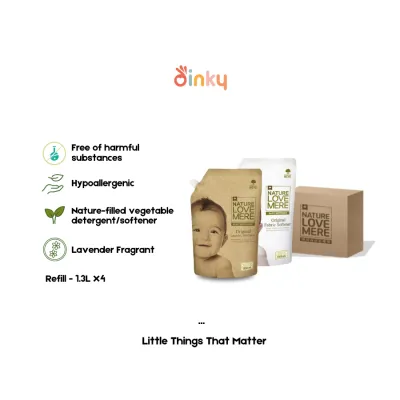
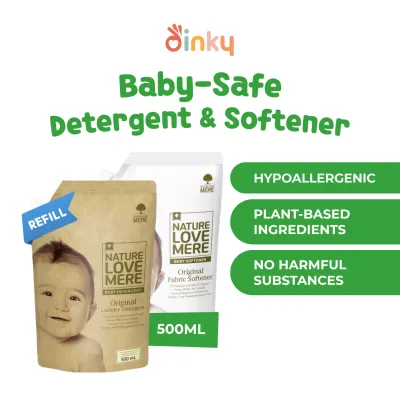
Prices are valid at publication and may change. Please refer to the product page for the latest price.
Surfactants and Stain Lifters
Surfactants, or surface-active agents, are the primary cleaning ingredients responsible for breaking the bond between soil and fabric. They work by lowering the surface tension of water, allowing it to penetrate deeply into fabric fibers, surround dirt particles, and suspend them so they can be rinsed away. In newborn laundry, these surfactants must target organic, protein-rich, and fatty stains such as breast milk, formula, spit-up, and diaper leaks.
When inspecting the Love Mere bottle, look for the specific sources of these surfactants. Gentler formulations typically utilize plant-derived surfactants, such as those extracted from coconut, corn, or palm oils—common examples include coco-glucoside, lauryl glucoside, and sodium cocoyl glutamate. While these plant-based options are generally milder and more biodegradable than traditional synthetic petrochemical surfactants (such as sodium lauryl sulfate or SLS), it is important to remember that “plant-derived” does not automatically guarantee zero irritation. The overall chemical structure, the concentration of the surfactant, and how well it is balanced with other ingredients ultimately determine its compatibility with sensitive skin.
Fragrances, Dyes, and Botanical Extracts
Fragrances and artificial dyes are among the most common triggers for contact dermatitis and skin irritation in infants. Because these additives serve purely aesthetic purposes and do not contribute to the cleaning performance of the detergent, they are best avoided in products meant for newborns. Artificial dyes, often identified on labels by color index numbers (such as CI followed by five digits), can leave chemical residues on clothing fibers that continuously rub against a baby’s skin.
When reviewing the scent profile of Love Mere products, distinguish between “fragrance-free” and “unscented.” A fragrance-free label indicates that no scent-imparting chemicals have been added to the formula. An unscented label, however, may mean that masking agents have been used to neutralize the natural odors of the raw chemical ingredients, which can still pose a risk of irritation. Additionally, many natural baby detergents incorporate botanical extracts or essential oils (such as lavender or eucalyptus) to provide a pleasant scent. While natural, these oils contain volatile organic compounds like limonene or linalool, which can still cause allergic reactions in sensitive newborns. Finally, check the label to ensure the absence of optical brighteners—chemical additives designed to remain on fabrics to reflect light and make clothes appear whiter, which can easily irritate a newborn’s skin.
Preservatives and Enzymes
Because liquid detergents contain a significant amount of water, they require preservatives to prevent the growth of harmful bacteria, mold, and yeast over time. This preservation is particularly crucial in Singapore’s hot, humid climate, where open bottles stored in laundry areas are highly susceptible to microbial contamination. However, the type of preservative used is critical. Parents should verify that the detergent does not contain harsh preservatives such as parabens, methylisothiazolinone (MI), methylchloroisothiazolinone (MCI), or formaldehyde-releasing agents, which are known skin sensitizers. Milder, food-grade preservatives like sodium benzoate or potassium sorbate are highly preferred.
Enzymes, such as proteases and amylases, are biological catalysts added to detergents to break down tough protein and starch stains. While highly effective at removing stubborn milk and food spots without the need for harsh washing conditions, enzyme residues left on fabric fibers can occasionally irritate babies with extremely sensitive skin or pre-existing conditions like eczema. If the Love Mere formulation you choose contains enzymes, ensuring a thorough rinse cycle is essential to remove any active biological residues before the clothes touch your baby’s skin.
What Makes These Ingredients Safe (or Unsafe) for Newborns
To understand why certain detergent ingredients are problematic, it helps to look at the unique physiology of newborn skin. A newborn’s skin barrier is still developing; the stratum corneum is significantly thinner and more permeable than that of an adult, meaning chemicals can be absorbed more easily into the body. Furthermore, a newborn’s skin-to-body weight ratio is much higher, which amplifies the potential impact of any absorbed substances. At birth, a baby’s skin pH is close to neutral and gradually transitions to a slightly acidic level (the acid mantle) to help protect against pathogens. Standard adult detergents, which are often highly alkaline, can disrupt this delicate pH balance, leading to dryness, irritation, and an increased risk of infection.

A safe newborn detergent profile should feature a balanced pH that aligns with the baby’s natural skin barrier, along with a complete absence of known harsh irritants like strong sulfates, synthetic dyes, and synthetic perfumes. The formula must also possess high rinse-ability, meaning it dissolves completely in water and leaves no soapy residue behind in the fabric fibers.
When evaluating Love Mere, look for verifiable, independent dermatological testing claims on the packaging. Hypoallergenic claims made by manufacturers can be subjective, so it is best to look for recognized third-party certifications, such as the German Dermatest seal (ideally with an “Excellent” rating) or other international safety standards. These certifications indicate that the product has undergone clinical testing under dermatological supervision to verify its low potential for skin irritation.
How to Test the Detergent and Monitor Your Baby's Skin
Even when a detergent’s ingredient list appears perfectly clean and boasts reputable certifications, individual sensitivities can still occur. To safely introduce Love Mere baby detergent into your household routine, it is highly recommended to perform a practical patch test before washing your newborn’s entire wardrobe.
Begin by washing a single, small garment—such as a cotton onesie or a washcloth—or a small batch of bedding using the detergent, following the manufacturer’s exact dosage instructions. Once washed and thoroughly dried, have your baby wear the garment or use the washcloth for a day or two while closely monitoring their skin.
Keep a close eye out for signs of contact dermatitis or allergic reactions. In infants, these symptoms typically manifest as localized redness, dry or rough patches, raised red bumps, hives, or unexplained fussiness, particularly in areas where the fabric fits snugly against the skin, such as around the neck, wrists, thighs, or waistband. If you observe any of these signs, establish a clear stop-condition: immediately discontinue using the detergent, switch to a known safe alternative or wash the clothes in plain, warm water to strip away any remaining residue, and consult a pediatrician or a pediatric dermatologist for professional guidance.
Best Practices for Washing Newborn Clothes
Achieving maximum laundry safety for your newborn involves more than just selecting the right detergent; it also requires adopting proper washing habits. Standard pediatric guidelines recommend washing all newly purchased baby clothes, blankets, and swaddles before they ever touch your newborn’s skin. This initial wash helps remove manufacturing residues, dust, chemical finishes, and dyes that may have accumulated during production and shipping.
Additionally, always wash your baby’s laundry separately from heavily soiled adult clothing. This practice prevents cross-contamination from adult perfumes, sweat, outdoor soils, or industrial chemicals. When running the washing machine, pay close attention to the rinse cycle. It is highly advisable to use an extra rinse or deep rinse setting to ensure that every trace of surfactant, enzyme, or preservative is completely flushed out of the fabric fibers. In Singapore’s humid environment, where clothes are frequently dried indoors in HDB apartments, thorough rinsing also helps prevent the buildup of musty odors and bacteria.
Finally, avoid using fabric softeners or dryer sheets when washing newborn clothes. These products work by depositing a thin, waxy chemical layer over the fabric fibers to make them feel softer. This residue not only introduces unnecessary synthetic chemicals and fragrances directly onto your baby’s skin but can also significantly reduce the flame-retardant properties of baby sleepwear and decrease the absorbency of cloth diapers and towels.
Frequently Asked Questions (FAQ)
Can I use Love Mere baby detergent for the whole family's laundry?
Yes, you can safely use Love Mere baby detergent for the entire family’s laundry. Its mild formulation is an excellent choice for adults who suffer from eczema, psoriasis, or general skin sensitivities. However, because baby detergents are formulated without harsh synthetic chemicals, they may struggle to remove heavy adult soils, grease, or strong sweat odors from athletic wear. To balance household needs, many parents choose to wash family bedding, towels, and loungewear in the baby detergent to minimize the baby’s exposure during cuddles, while using a stronger, fragrance-free adult detergent for heavily soiled adult outerwear.
Does Love Mere baby detergent effectively remove tough baby stains like milk and poop?
Love Mere baby detergent is designed to target organic baby stains using mild plant-derived surfactants and, depending on the specific product line, targeted enzymes. To achieve the best results without increasing the detergent dosage—which could leave irritating residues on the clothes—it is best to treat stains immediately. Rinse fresh milk or diaper stains with cold water as soon as possible, apply a small drop of the detergent directly to the spot, and gently rub the fabric together before placing the item into the washing machine.

Community discussion
Share your experience or ask a question. Comments are reviewed before publication.