
Evaluating whether Little Blossom crackers are suitable for your baby involves looking closely at their ingredient list, nutritional profile, and physical texture. While these snacks are widely popular for their clean ingredient philosophy, formulations can vary by flavor and batch, making it essential to verify the packaging before serving. By understanding how to read the label and matching the cracker’s texture to your child’s developmental milestones, you can safely introduce them as a convenient snack.
In busy households, packaged snacks offer a practical way to keep infants satisfied between meals or during outings. However, commercial baby foods should always be selected with a clear understanding of their nutritional value and physical safety. Taking a systematic approach to analyzing what goes into your baby’s food ensures you support their growth while protecting their developing digestive system.
How to Decode the Ingredient List
When examining a box of Little Blossom crackers, the first step is to look at the primary base ingredients listed on the back of the packaging. Many baby crackers utilize rice, wheat, or alternative flours like oat or quinoa as their foundation. Rice-based options, particularly those made from brown rice, are highly popular because they are naturally gluten-free and gentle on developing digestive systems, though they offer relatively low protein compared to whole-grain wheat or oat bases. Checking the order of ingredients is crucial, as they are listed by weight from highest to lowest.
Products mentioned in this guide
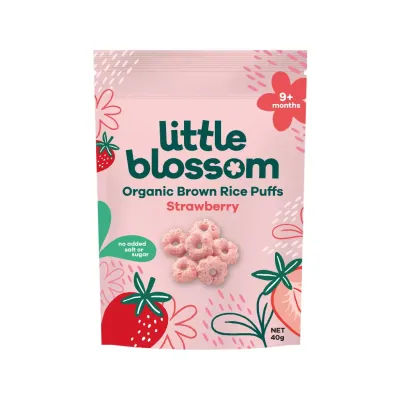
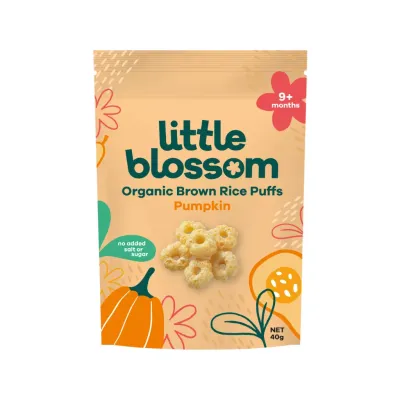
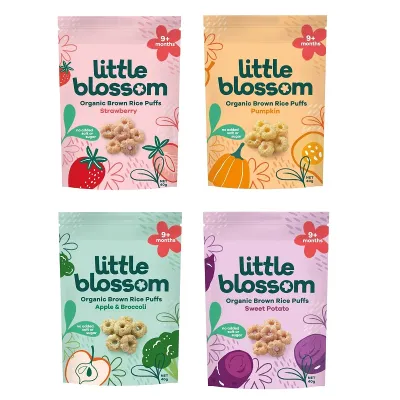
Prices are valid at publication and may change. Please refer to the product page for the latest price.
Next, scan the label carefully for potential allergens to ensure your baby’s safety. Even if a product is naturally free from dairy, soy, or gluten, manufacturing facilities often process multiple items on the same production lines. Look for precautionary statements such as “manufactured in a facility that also processes wheat” or “may contain traces of soy” to prevent accidental exposure if your baby has known sensitivities or a family history of allergies.
Finally, ensure the ingredient list is free from unnecessary additives that do not belong in an infant’s diet. Infant snacks should ideally contain no added sugars, artificial flavors, or chemical preservatives. High-quality baby crackers rely on natural ingredients, such as real fruit purees or vegetable powders, to provide subtle flavor and color without overwhelming your baby’s developing palate or introducing them to overly sweet tastes too early.
Evaluating the Nutritional Profile
The nutrition facts panel provides critical data regarding the daily dietary limits suitable for infants. Sodium is a primary concern, as a baby’s kidneys are still maturing and cannot process high amounts of salt. Check the sodium content per serving on the packaging, aiming for options that keep sodium levels as close to zero as possible. Avoid snacks that list salt as an added ingredient, as natural foods already contain trace amounts of sodium sufficient for an infant’s needs.

Sugar content is another vital metric to evaluate when choosing baby snacks. Distinguish between naturally occurring sugars from fruit ingredients and added sugars like cane sugar, syrups, or concentrates. Minimizing added sugars in early childhood helps establish healthy taste preferences, prevents a preference for overly sweet foods, and protects emerging primary teeth from early decay.
You should also look for beneficial fortifications, such as iron, calcium, or vitamin B1, which are sometimes added to support rapid infant growth. Because fortification practices vary by region and product line, always verify these specific claims directly on the physical packaging rather than relying on general brand descriptions. If a product claims to be a good source of iron, the nutrition facts panel should reflect a meaningful percentage of the daily value for infants.
Matching Texture and Size to Developmental Stages
A cracker’s physical properties must align with your baby’s chewing and swallowing capabilities to ensure safe consumption. Look for snacks designed with a “melt-in-the-mouth” quality, which dissolve quickly when in contact with saliva. This texture minimizes choking hazards, especially for babies who are still developing their jaw strength and do not yet have a full set of teeth to grind down solid food.
To test the texture yourself, press a cracker between your thumb and forefinger; it should crumble or soften easily under light pressure. If the cracker requires significant force to break or remains sharp and rigid, it may not be suitable for early stages of self-feeding. The goal is to find a texture that yields easily to gums and saliva.
The size and shape of the cracker also play a significant role in self-feeding success. During the early stages of baby-led weaning, infants use their whole palm to grasp objects, making longer, puff-style crackers or larger wafers easier to manage. As they develop the pincer grasp—using the thumb and index finger—they can transition to smaller, bite-sized pieces that encourage fine motor skill development.
Recognizing readiness signs is crucial before introducing any finger foods to your baby’s routine. Your baby should be able to sit upright with minimal support, hold their head steady, and show active interest in what you are eating. If they still exhibit a strong tongue-thrust reflex, which automatically pushes solid objects out of their mouth, they may need more time before starting on crackers.
Safety Checks and Feeding Best Practices
When introducing a new commercial snack like Little Blossom crackers, apply the single-new-food rule. Offer the cracker on its own without introducing other new foods for three to five days. This window allows you to isolate and identify the source of any potential allergic reactions, such as skin rashes, vomiting, or breathing difficulties, making it easier to seek appropriate medical advice.
Always supervise your baby closely during snack time to ensure safety. Ensure they are seated completely upright in a highchair or a secure seat, as eating while reclining, crawling, or walking significantly increases the risk of choking. Never leave a baby unattended with food, even for a brief moment, and avoid feeding them while they are distracted by screens or toys.
Be prepared to recognize red flags during feeding and know how to respond. While occasional gagging is a normal, noisy part of learning how to manage solids, silent struggling or a blue tint around the lips indicates choking, requiring immediate emergency intervention. If you notice signs of digestive discomfort, such as unusual bloating, gas, or changes in stool, pause the snack and consult a qualified pediatrician.
Frequently Asked Questions (FAQ)
At what age can babies start eating commercial crackers?
Most babies are developmentally ready to try meltable finger foods around seven to eight months of age. However, age is secondary to physical milestones like sitting independently, holding the head steady, and showing hand-to-mouth coordination. Always consult your pediatrician for a personalized readiness assessment before introducing commercial snacks to your baby’s diet.
How should I store opened packs of baby crackers?
To maintain the intended texture and prevent the crackers from becoming soft or stale, store opened portions in an airtight container. In humid tropical climates, keeping the container in a cool, dry pantry away from direct sunlight is especially important to prevent moisture absorption. Before serving, visually inspect the crackers for moisture damage or mold, and discard any that have lost their crispness.
Can I use these crackers as a meal replacement?
No, commercial baby crackers are designed strictly as supplementary snacks or finger foods, not complete meals. They do not provide the comprehensive balance of healthy fats, proteins, and essential micronutrients found in breastmilk, formula, or diverse whole-food meals. Ensure snacks do not displace your baby’s primary nutrition sources or appetite for main meals.

Community discussion
Share your experience or ask a question. Comments are reviewed before publication.