
Matching Little Blossom baby food products to your baby’s weaning journey requires looking beyond the age numbers printed on the packaging. While age guidelines offer a helpful starting point, your baby’s physical milestones, oral motor skills, and swallowing capabilities are the true indicators of readiness for each stage. By carefully observing how your baby handles different textures and verifying the specific product labels, you can select the appropriate options to support their developmental progress safely.
Understanding Your Baby's Weaning Stages
The transition from an all-milk diet to solid foods is a gradual process that unfolds in distinct developmental phases. The initial tasting stage typically involves introducing incredibly smooth, single-ingredient purees designed to help your baby get used to swallowing something other than liquid. As your baby becomes comfortable with swallowing, they progress to the texture development stage, where thicker purees, mashed foods, and soft lumps are introduced to encourage active chewing motions. Eventually, your baby moves toward the family meals stage, which features soft, chewable pieces that help them practice self-feeding and refine their grasp.
During the initial tasting stage, breast milk or formula continues to provide the vast majority of your baby’s nutritional needs. The primary goal of this phase is not caloric intake, but rather sensory exploration and oral motor practice. Introducing single-ingredient purees allows your baby’s digestive system to adapt gradually to processing solid foods while minimizing the risk of overwhelming their delicate stomach.
Products mentioned in this guide
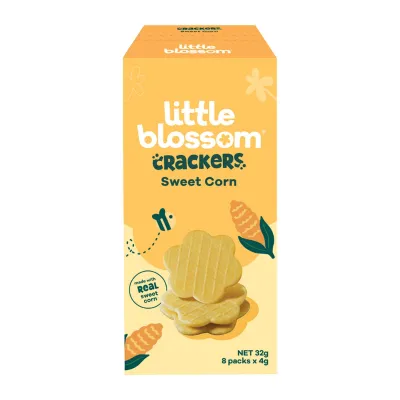
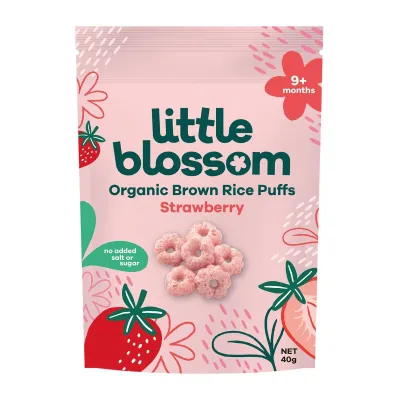
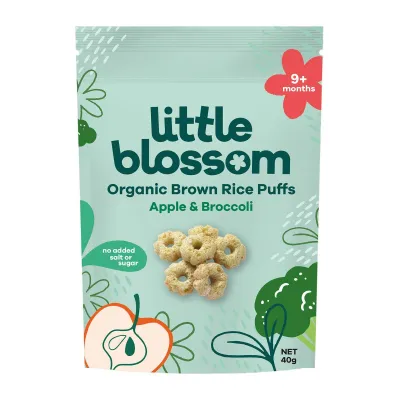
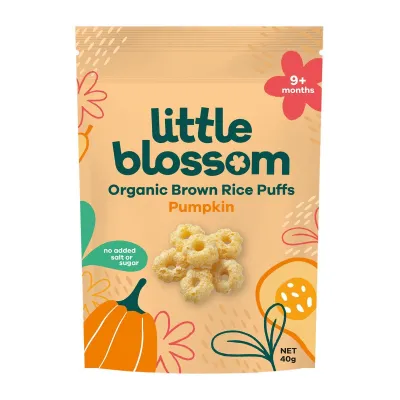
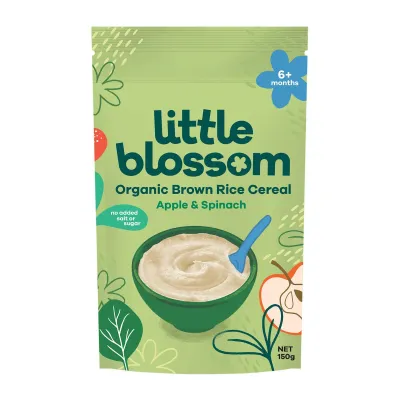
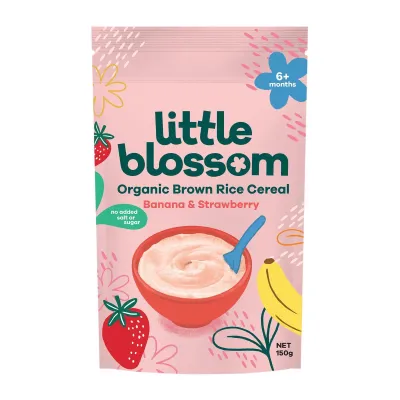
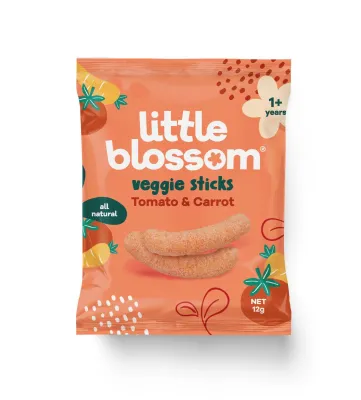
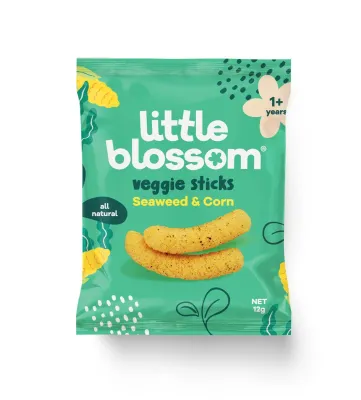
Prices are valid at publication and may change. Please refer to the product page for the latest price.
Recognizing when your baby is ready to begin this journey involves watching for specific physical and behavioral cues rather than relying solely on the calendar. A key milestone is the ability to sit upright with minimal support and maintain excellent head and neck control, which is crucial for safe swallowing. You should also observe whether your baby has lost the tongue-thrust reflex, an involuntary response where they automatically push solid objects out of their mouth with their tongue. Other positive signs include your baby showing intense interest in your meals, reaching out for food, and easily bringing their hands or toys to their mouth.
It is vital to remember that every baby develops at their own unique pace. While general age ranges are often suggested for starting solids, your baby’s individual developmental readiness and swallowing ability must always take precedence over strict age milestones. Forcing solids before your baby’s digestive system and oral motor skills are mature can lead to feeding aversion or safety hazards. Conversely, delaying the introduction of textured foods past critical developmental windows can sometimes make it harder for babies to accept lumpier textures later on.
Matching Little Blossom Products to Each Weaning Stage
When navigating the Little Blossom product range, the packaging serves as your primary guide for matching food textures to your baby’s current abilities. The manufacturer prints specific stage indicators, age recommendations, and texture descriptions directly on the box or pouch to help you make an informed choice. However, you should treat these age labels as approximate suggestions and always cross-reference them with your baby’s demonstrated chewing and swallowing skills. For instance, if a product is labeled for a certain month but your baby is still struggling with thin purees, it is best to wait before introducing that product.

Understanding the expected texture progression is essential for supporting your baby’s oral motor development. The journey begins with completely smooth, runny purees that require minimal effort to swallow, helping your baby learn how to move food from the front of the mouth to the back. As their tongue coordination improves, you can transition them to thicker, mashed textures that require them to use their tongue to press food against the roof of their mouth. The next step involves soft lumps and chewable pieces, which encourage your baby to move their jaw in a munching motion and eventually transition to a mature chewing pattern.
Before serving any Little Blossom product, take the time to read the manufacturer’s specific feeding guidelines and portion suggestions printed on the packaging. These instructions often provide valuable details on how to prepare the food, whether it requires heating, and how much to offer in a single serving. Because babies have small stomachs, starting with tiny portions—such as a teaspoon or two—allows them to explore the taste and texture without feeling overwhelmed or overly full, ensuring that breast milk or formula remains their primary source of nutrition.
Active caregiver supervision is the most critical safety measure during every single meal. You must sit with your baby, watch them closely as they eat, and never leave them unattended with food. If you notice your baby gagging excessively, showing signs of distress, or struggling to manage a texture, stop feeding immediately and offer a smoother alternative. While mild gagging can be a normal part of learning how to eat, persistent gagging or coughing indicates that the current texture may be too advanced for their current oral motor skills, requiring you to step back to a simpler stage.
It is important for caregivers to understand the difference between gagging and choking. Gagging is a normal, noisy safety reflex that helps your baby push food forward when it goes too far back in the mouth. Choking, on the other hand, is silent and dangerous, occurring when the airway is blocked. Familiarizing yourself with infant first aid and maintaining constant, active supervision ensures you can respond appropriately to any feeding challenges.
Essential Label Checks Before Purchasing
A crucial habit for any parent is performing a thorough label check on baby food products before making a purchase. When examining Little Blossom packaging, turn the product over to scan the ingredient list carefully. Infant nutritional guidelines recommend avoiding unnecessary additives, preservatives, artificial flavorings, added sugars, and salt in early foods. Ensuring that the product contains only simple, wholesome ingredients helps protect your baby’s developing kidneys and prevents them from developing an early preference for overly sweet or salty tastes.
Allergen identification is another vital step in the label-checking process. Local food safety standards, such as those enforced in Singapore, require manufacturers to clearly declare common allergens on their packaging. Look for bolded text or dedicated allergen statements that indicate the presence of ingredients like wheat, soy, dairy, eggs, fish, or nuts. Even if a product does not directly contain an allergen, check for precautionary warnings regarding shared manufacturing equipment or facilities if your baby has known sensitivities or a high risk of allergies.
Finally, always verify the physical integrity of the packaging and the printed dates before buying or serving the food. Check the manufacturing date and the expiry date to ensure the product is fresh and will be consumed well before it expires. Inspect the pouch, jar, or box for any signs of damage, such as broken safety seals, bloating, punctures, or leaks. In Singapore’s warm and humid climate, any compromise in packaging integrity can quickly lead to spoilage or bacterial growth, making it essential to reject any product that shows signs of wear or tampering.
Given Singapore’s tropical climate, proper storage of unopened baby food is equally important. Store your unopened Little Blossom products in a cool, dry pantry away from direct sunlight and heat sources. Avoid storing pouches or jars in cabinets directly adjacent to ovens or stoves, as temperature fluctuations can compromise the shelf life and quality of the food even before the packaging is opened.
Recognizing When to Transition to the Next Stage
Knowing when to advance your baby to the next weaning stage requires careful observation of their daily feeding behavior. You will know your baby is comfortable with their current texture when they swallow it easily without coughing, spitting it out, or gagging. Other positive signs include your baby eagerly opening their mouth when the spoon approaches, finishing their portions efficiently, and showing a keen interest in the more textured foods on your own plate. If they are actively making chewing motions with their jaw even when eating smoother purees, they are likely ready for a new challenge.
To make the transition smoother and build your baby’s confidence, you can gradually mix current and next-stage textures. For example, you can stir a small amount of a slightly thicker or lumpier Little Blossom product into a smooth puree that your baby already enjoys. This method allows your baby to experience the new texture in a familiar base, reducing the likelihood of food rejection. Over several days, you can slowly increase the proportion of the textured food while decreasing the smooth puree until your baby is comfortably eating the new stage on its own.
While progression is the goal, there are times when it is necessary to pause the transition and seek professional guidance. If your baby consistently rejects new textures, gags to the point of vomiting, shows signs of physical discomfort during or after meals, or fails to gain weight appropriately, it is time to consult your pediatrician or a pediatric feeding specialist. These signs could indicate an underlying swallowing difficulty, sensory sensitivity, or digestive issue that requires professional assessment rather than continued attempts to advance textures.
Frequently Asked Questions (FAQ)
How do I introduce potential allergens using Little Blossom products?
When introducing potential allergens, the general rule is to offer only one new allergen at a time and wait three to five days before introducing another. This waiting period allows you to monitor your baby closely for any signs of an allergic reaction, such as hives, swelling, vomiting, or breathing difficulties. Before offering any Little Blossom product, read the label carefully to identify all declared allergens and cross-contamination warnings. If your baby has severe eczema, a known food allergy, or a strong family history of allergies, consult your pediatrician before introducing these foods.
What is the best way to store opened Little Blossom baby food?
To prevent spoilage and ensure food safety, always follow the specific refrigeration and consumption timeframes printed on the Little Blossom packaging. If you do not plan to serve the entire portion at once, spoon the desired amount into a separate clean bowl and refrigerate the remaining portion in its original container immediately. Never feed your baby directly from the jar or pouch if you intend to store leftovers, as the bacteria from their saliva will contaminate the food and cause it to spoil rapidly. Discard any opened product if it smells off, changes color, or has been stored past the manufacturer’s recommended timeframe.

Community discussion
Share your experience or ask a question. Comments are reviewed before publication.