
Finding the right diaper for your baby in Singapore’s hot and humid climate is a balancing act between skin breathability, leak prevention, and household budget. While established household names like Pampers and Mamypoko have long dominated supermarket shelves, newer options such as little bellies diapers have emerged as compelling alternatives for parents seeking a balance of quality and value. Deciding whether to switch requires looking beyond brand popularity to evaluate how each diaper’s specific cut, absorbency, and materials perform in daily, real-world conditions.
Quick Answer: Should You Switch to Little Bellies?
There is no single “best” diaper that fits every infant perfectly, as the ideal choice depends heavily on your baby’s unique body shape, skin sensitivity, and your family’s diapering budget. If you are looking for a practical balance of cost and everyday performance for regular daytime changes, little bellies offers a highly competitive option that helps manage monthly diapering expenses. On the other hand, if you prioritize widely available sizing, specialized wetness distribution, and thin, high-tech absorbent cores, Pampers remains a reliable industry standard. For parents of active toddlers or heavy wetters who benefit from a highly secure, elastic waistband and robust leg cuffs, Mamypoko’s distinct pant-style designs provide targeted leak protection.
Before committing to a bulk purchase of any new diaper brand, it is highly recommended to test the fit and skin compatibility with a single small pack first. Babies have highly individualized skin reactions and physical builds, meaning a brand that works exceptionally well for one infant might cause leaks or mild redness on another. By starting with a trial run, you can observe how the material interacts with your baby’s skin and movement patterns without risking a large financial investment.
Products mentioned in this guide
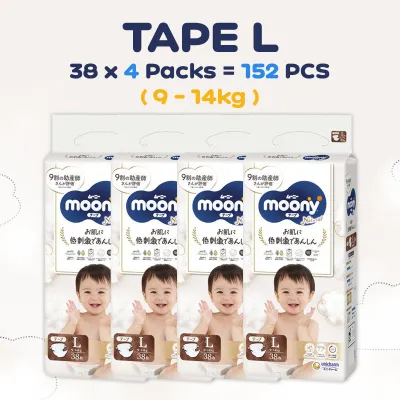
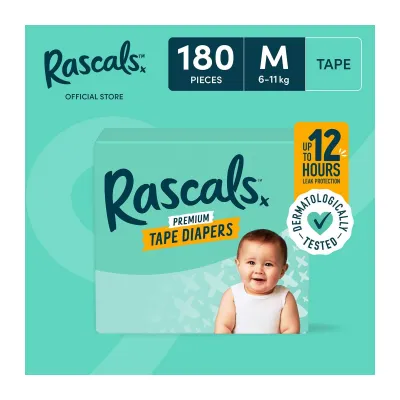
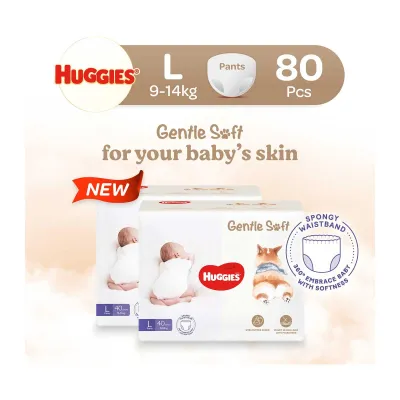
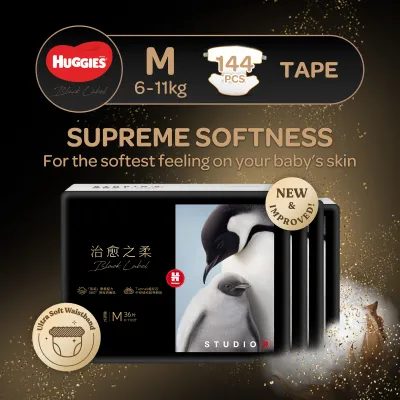
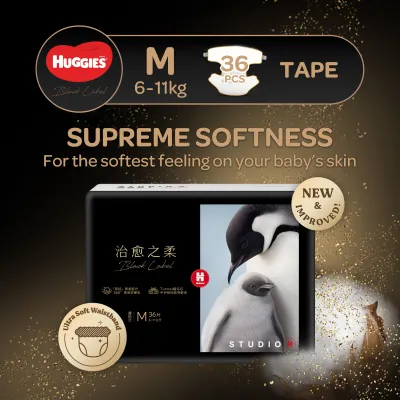
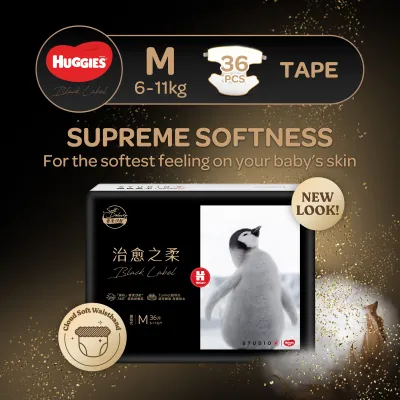
Prices are valid at publication and may change. Please refer to the product page for the latest price.
Absorbency and Leak Protection: What to Look For
Absorbency is the core function of any disposable diaper, yet different brands approach moisture management with distinct design philosophies. Mainstream brands like Pampers often utilize advanced, ultra-thin cores featuring specialized channels designed to distribute wetness evenly, which helps prevent the diaper from sagging or bunching up between the baby’s legs. Mamypoko frequently relies on thick, highly absorbent layers that focus on high-volume capacity, making them a popular choice for extended wear. Newer entrants like little bellies focus on reliable, balanced distribution sheets designed to handle regular daytime wetness efficiently while maintaining a flexible profile.

When evaluating these options, parents should carefully check the product packaging for specific use-case labels, such as “overnight protection,” “extra dry,” or “heavy wetter” indicators. It is important to remember that actual hold times are highly variable and depend on factors such as your baby’s age, hydration levels, and individual output volume. A diaper rated for overnight use on one baby might require a midnight change for another, so these packaging claims should always be treated as general guidelines rather than absolute performance guarantees.
To assess a diaper’s physical leak protection, take a close look at the design of the leg cuffs (leak guards) and the elasticity of the waistband. High-quality leak guards should feature double-layered, elasticated barriers that sit snugly in the groin creases without digging into the skin. Gently stretch the waistband and leg cuffs of a fresh diaper to verify that the elastic is both resilient and soft to the touch, as this tension is what prevents liquid from escaping during sudden movements or blowouts.
Once the diaper is on your baby, monitor the wetness indicator strip—if the diaper has one—and check for signs of sagging after a few hours of typical activity. A diaper that sags excessively when only partially wet can pull away from the waistband, creating gaps that lead to leaks. If you notice that the diaper’s core clumps together or sags heavily, it may be a sign that the absorbency technology is not matching your baby’s active movement, suggesting a different brand or style might be necessary.
Fit, Comfort, and Skin Sensitivity Compared
The physical cut and silhouette of a diaper play a critical role in preventing leaks and ensuring your baby can move freely without discomfort. Mamypoko is widely recognized for its generous, rounded pant-style cuts that accommodate rounder tummies and thicker thighs, making them highly popular as babies transition into active crawling and walking. Pampers typically features a more tailored, streamlined fit with highly stretchable side tapes that allow for a precise, customized fit around slender waists. Little bellies diapers tend to offer a balanced, standardized structural design that fits a wide range of average body types comfortably. To avoid painful red marks or messy blowouts, parents should match the diaper’s specific cut to their baby’s current physical build rather than relying solely on the weight range printed on the box.
Beyond the physical cut, the texture of the inner top-sheet and the overall breathability of the materials are essential for maintaining skin comfort, particularly in Singapore’s humid climate. When comparing brands, read the packaging labels to verify claims regarding fragrance-free, chlorine-free, or hypoallergenic materials. These specifications are particularly important if your baby has eczema, highly sensitive skin, or a family history of contact dermatitis. Always check the manufacturer’s ingredient list on the packaging to ensure there are no added lotions or scents that could trigger an adverse skin reaction.
It is vital to understand that diaper rash is a complex condition often linked to changing frequency, trapped moisture, or individual dietary changes rather than being caused solely by a specific diaper brand. Even the most premium, hypoallergenic diaper can cause irritation if left on too long, as urine and stool breakdown naturally irritates delicate skin. If your baby develops a persistent, raw, or spreading diaper rash that does not improve with frequent changes and barrier creams, stop using the current brand immediately and consult a qualified pediatrician or healthcare professional for a proper medical diagnosis.
Evaluating Overall Value and Cost Per Diaper
To understand the true financial impact of your diapering choices, you must look past the initial shelf price of a single diaper pack and calculate the exact cost per piece. You can easily find this by dividing the total price of the pack by the number of diapers inside. Because diaper count decreases as size increases, this simple calculation ensures you are making an accurate, apples-to-apples comparison between little bellies, Pampers, and Mamypoko across different developmental stages.
In Singapore, mainstream brands like Pampers and Mamypoko frequently benefit from widespread distribution, meaning parents can often find bulk-buy promotions, carton discounts, or subscription savings at major local supermarkets and online marketplaces. Emerging or niche brands like little bellies may have different distribution models, sometimes offering highly competitive baseline pricing but fewer frequent promotional events. Keep a close eye on your preferred shopping platforms to see if buying in bulk or setting up a recurring delivery subscription offers a more sustainable long-term discount for your household budget.
When comparing costs, it is also important to account for “hidden costs” that can quickly erase any initial savings from a cheaper brand. If a lower-priced diaper suffers from frequent leaks, tearing tapes, or poor absorbency, you will find yourself changing your baby more often, running extra loads of laundry, and using significantly more baby wipes and diaper creams. A slightly more expensive diaper that keeps your baby dry for longer periods can sometimes prove to be the more economical choice over the course of a month.
To find the sweet spot between performance and cost, track your baby’s average daily diaper usage rate over a typical week. If a more affordable diaper like little bellies performs flawlessly during daytime hours when changes are naturally more frequent, you can maximize your savings by reserving premium or specialized overnight diapers solely for bedtime. This blended approach allows you to manage your household expenses effectively without compromising on your baby’s comfort or sleep quality.
At a Glance: Diaper Feature Comparison
To help you quickly compare the key design elements and focus areas of each brand, the following table summarizes how they stack up across several practical categories. Always remember to verify specific weight ranges, material certifications, and usage instructions directly on the physical packaging before purchase.
| Feature | Little Bellies | Pampers | Mamypoko |
|---|---|---|---|
| Best Suited For | Everyday daytime wear and budget-conscious families | Active babies requiring a highly flexible, contoured fit | Heavy wetters and babies transitioning to pant-style diapers |
| Absorbency Focus | Balanced distribution sheet for regular daytime changes | Thin absorbent core with specialized wetness channels | High-capacity core designed for extended or overnight wear |
| Fit Style | Standardized tape and pant options with structured support | Highly stretchable side tapes and slim, tailored silhouettes | Generous, rounded pant-style cuts with soft elastic waistbands |
| Price Tier | Budget to Mid-tier | Mid-tier to Premium | Mid-tier to Premium |
| Key Verification Points | Check packaging for specific material listings and size guidelines | Verify specific sub-line features (e.g., Baby Dry vs. Premium Care) | Inspect leg cuff elasticity and check specific pant size weight ranges |
Final Verdict: Choosing the Right Diaper for Your Baby
Making the final decision between these three brands comes down to matching your baby’s physical needs and your daily routine to the strengths of each diaper.
- Choose Little Bellies if you want a reliable, cost-effective diaper for frequent daytime changes that offers a balanced combination of comfort, standard fit, and straightforward absorbency without a premium price tag.
- Choose Pampers if your baby has a slender build, prefers a thin and highly flexible diaper, or if you want the convenience of a widely available brand with specialized channel technology to prevent sagging.
- Choose Mamypoko if your baby is highly active, has chunky thighs or a round tummy, or if you require a high-capacity diaper with robust, elasticated pant-style waistbands to prevent overnight leaks.
- Verify first if your baby falls right on the boundary of a manufacturer's weight chart or has extremely sensitive skin, as you will need to pay close attention to packaging material certifications and real-world fit.
To transition safely, establish a practical testing protocol: purchase the smallest available pack of the new brand and test it over a two-to-three-day period. Observe how the diaper performs during different activities, such as playing, crawling, and sleeping, and carefully inspect your baby’s skin for any signs of friction, red marks, or irritation. If you notice persistent leaks or skin changes, stop using the diaper and re-evaluate the size or brand.
Keep in mind that a baby’s body shape, mobility levels, and output volume change rapidly during their first two years. A diaper brand that fits perfectly at six months may begin to leak or cause red marks by twelve months as your baby leans out and begins walking. Remain flexible and be prepared to re-evaluate your choice periodically to match your child’s evolving developmental stages.
Frequently Asked Questions (FAQ)
How do I know if a diaper is too small or too large for my baby?
You can determine if a diaper is the wrong size by looking for several physical indicators during use. If you notice red elastic marks on your baby’s thighs or tummy, find the waist tapes difficult to fasten symmetrically, or experience frequent blowouts, the diaper is likely too small, and you should size up. Conversely, if the diaper gaps around the legs, sags heavily even when completely dry, or sits well below the belly button, it is too large. Always cross-reference your baby’s current weight with the manufacturer’s specific size chart on the box, as sizing can vary significantly between brands.
Can I mix different diaper brands for day and night use?
Yes, mixing diaper brands is an excellent, practical strategy that many parents use to optimize both performance and household budget. You can use a highly cost-effective option like little bellies for daytime hours when changes are naturally more frequent, and switch to a highly absorbent, specialized overnight diaper from Pampers or Mamypoko for bedtime. When implementing this strategy, ensure that the nighttime diaper is fitted correctly and perhaps even one size larger if your baby is a heavy wetter, to handle extended wear safely without causing skin irritation or leaks.

Community discussion
Share your experience or ask a question. Comments are reviewed before publication.