
Finding the right balance between leak protection, skin health, and household expenses is a constant challenge for parents in Singapore. If you are looking for a cost-effective solution for daily diapering, the litfree jumbo pant offers a compelling option designed to ease both your daily routine and your budget. This diaper pant is primarily positioned as a high-value, utility-focused choice for families who prioritize frequent changes to maintain hygiene.
While these pants provide reliable everyday performance, they represent a specific set of trade-offs. Parents seeking ultra-premium materials for highly sensitive skin or specialized overnight absorption for heavy wetters may want to compare them closely against premium-tier alternatives. Ultimately, the ideal diaper for your household depends on your baby’s specific skin reactivity, daily urine volume, and your overall monthly budget.
3 Core Dimensions for Comparing Diapers in Singapore
Evaluating diaper performance in Singapore requires looking beyond basic marketing promises to focus on the unique challenges of a tropical climate. High relative humidity and consistent warmth mean that diaper selection directly impacts your baby’s comfort and health. Understanding how different brands handle these environmental factors will help you make an informed choice.
Products mentioned in this guide
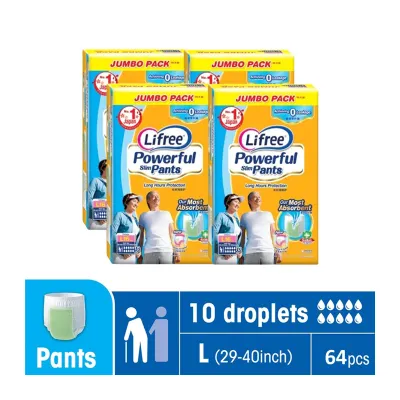
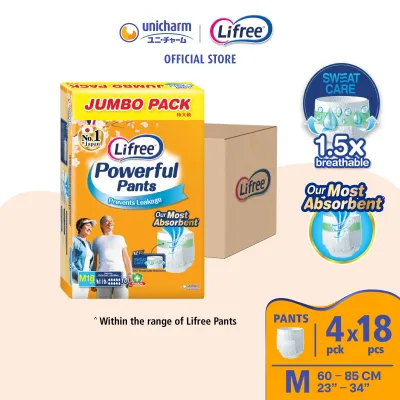
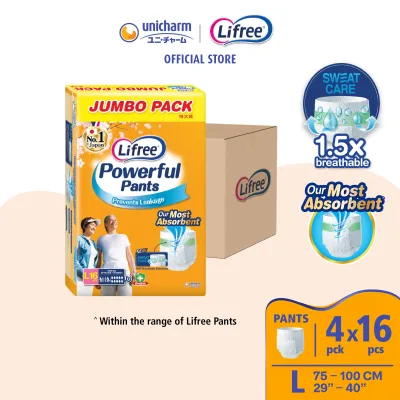
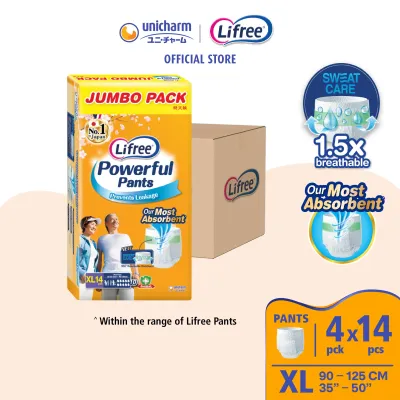
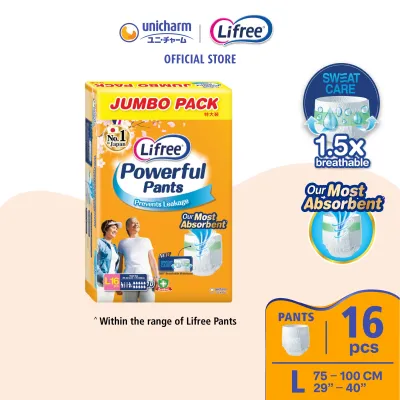
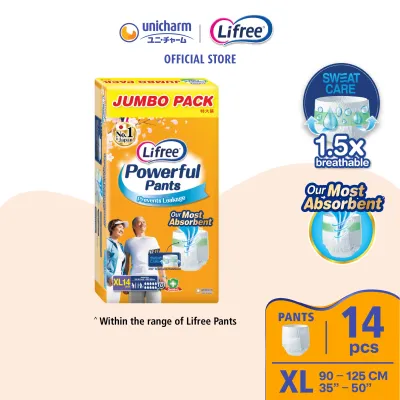
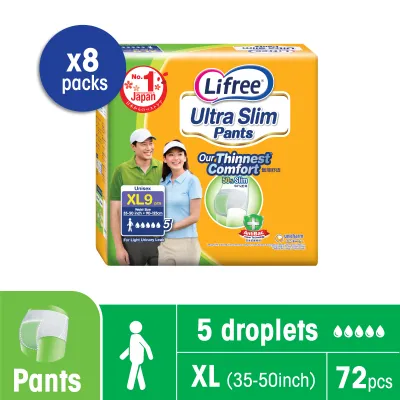
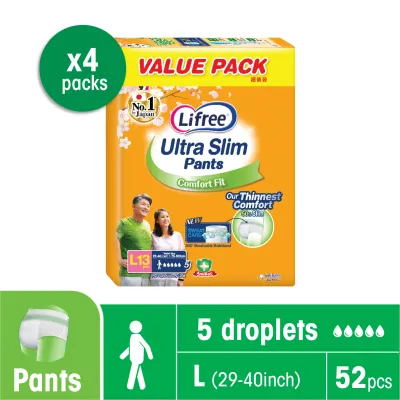
Prices are valid at publication and may change. Please refer to the product page for the latest price.
Absorbency & Leak Protection
The primary job of any diaper is to manage moisture efficiently, preventing liquid from lingering against your baby’s skin. Modern disposable diapers rely on a core of Superabsorbent Polymer (SAP) mixed with wood pulp to draw wetness away from the surface. When comparing brands, look at surface dryness—how dry the inner lining feels to the touch shortly after your baby urinates.
Effective leak protection also depends heavily on physical barriers, such as double-layered leg cuffs and elastic waistbands. These barriers must sit snugly against the skin without causing friction or red marks. Keep in mind that frequent diaper changes, typically every two to three hours during the day, are far more effective at preventing skin irritation than relying on a diaper designed for extreme, long-term absorption capacity.
Comfort & Breathability
Singapore’s hot and humid weather makes breathability a critical factor in preventing heat rash and diaper dermatitis. When moisture is trapped inside a diaper in a warm environment, it creates a breeding ground for bacteria and yeast. A high-quality diaper pant must feature a microporous outer sheet that allows warm air and water vapor to escape while keeping liquid safely contained.
The materials used in the waistband and leg cuffs also dictate daily comfort. Active babies who are crawling, cruising, or walking need soft, highly flexible elastics that stretch naturally with their movements. Stiff or rough materials can rub against damp skin, leading to painful chafing and localized rashes around the waist and groin.
Value & Cost Efficiency
Diapering is a significant, ongoing household expense that spans several years. To understand the true financial impact, you must calculate the cost per piece rather than simply comparing the retail price of different packs. This calculation is straightforward: divide the total cost of the pack by the number of diapers inside.
Jumbo packs are highly popular because they typically offer a lower unit cost, making them highly economical for daily use. However, buying in bulk carries a minor risk if your baby is growing rapidly. Purchasing too many jumbo packs of a single size can lead to leftover diapers that no longer fit, which quickly offsets any initial savings.
Evaluating the Litfree Jumbo Pant: Features and Trade-offs
Choosing a bulk-format diaper like the litfree jumbo pant requires understanding how its specific features align with your baby’s daily needs. This product is designed to offer practical utility, but like any diaper, it has distinct advantages and limitations.

The Jumbo Pack Advantage
The most immediate benefit of opting for a jumbo format is the sheer convenience it brings to busy Singapore households. Managing a household with a young baby involves constant multitasking, and running out of diapers unexpectedly can cause unnecessary stress. Purchasing larger quantities less frequently reduces the number of trips to the store or online orders you need to coordinate.
From a financial perspective, these larger packs are structured to lower your overall cost per change. Because value-oriented brands focus on high-volume production, they can offer competitive pricing that suits families looking to manage their monthly expenses. This makes it easier to maintain a frequent changing schedule without feeling financial strain with every diaper discarded.
Sizing and Fit Considerations
To get the best performance out of these diaper pants, you must strictly follow the manufacturer’s weight and size guidelines printed on the packaging. Diaper sizing is not standardized across different brands; a medium size in one brand may fit tightly, while a medium in another might be loose. A proper fit is your first line of defense against leaks and blowouts.
Be cautious about purchasing multiple jumbo boxes of a single size when your baby is approaching the upper weight limit of that size. Babies experience sudden growth spurts, and a diaper that fits perfectly one week may become too snug the next. If the diaper pant is too small, it will not have sufficient absorbent material to handle your baby’s urine volume, leading to frequent leaks.
Material and Feature Verification
When evaluating these diaper pants, take the time to physically inspect the packaging and the diaper itself for essential features. Look for a clear wetness indicator, which is a color-changing strip that helps you identify when it is time for a change without having to pull the waistband open. A 360-degree elastic waistband is also crucial for active infants, ensuring the pant stays securely in place during play.
Additionally, look for any specific dermatological testing claims or ingredient lists on the packaging to ensure the materials are compatible with your baby’s skin. Because manufacturing specifications and certifications can change over time, always verify these details on the actual product label rather than relying solely on older online reviews.
Litfree vs. Other Diaper Categories: A Conditional Comparison
To decide if this diaper pant fits your lifestyle, it is helpful to contrast it with other options available in the Singapore market. Diapers generally fall into distinct categories based on their materials, marketing, and price points.
Litfree vs. Premium Japanese/International Brands
Premium international brands, particularly those imported from Japan, often market advanced features such as ultra-thin profiles, organic cotton top sheets, or built-in skin-conditioning lotions. These brands focus on providing an exceptionally soft, luxurious feel and high absorption capacities. However, these premium features come with a significantly higher price tag per piece.
In contrast, the litfree jumbo pant focuses on core utility and everyday affordability. It does not carry the premium price premium of luxury brands, making it a highly practical choice for daytime use. If your baby does not have highly sensitive skin that requires specialized organic materials, a value-focused diaper can perform excellently for daily wear at a fraction of the cost.
Litfree vs. Other Value/Bulk Brands
When comparing within the budget-friendly and value tier, the differences often lie in the physical design and cut of the diaper pant. Some lower-cost brands may use stiffer plastic back sheets or less flexible elastics around the waist, which can feel uncomfortable in Singapore’s heat.
When comparing options, pay close attention to how the diaper behaves when it becomes wet. Some value brands tend to sag heavily in the crotch area when filled, which can pull the waistband down and create gaps around the legs. A well-designed value pant should maintain its structural integrity and distribute wetness evenly across the absorbent core.
Nighttime vs. Daytime Use
Many parents find success by adopting a hybrid diapering strategy that balances cost and performance. During the day, when your baby is active and you are changing diapers frequently, using an affordable option like the litfree jumbo pant is highly economical. Frequent changes keep the skin clean and dry, reducing the risk of diaper rash.
For nighttime use, when you want your baby to sleep undisturbed for 10 to 12 hours, you might choose to switch to a higher-capacity premium diaper or use a diaper pant that is one size larger. This hybrid approach ensures your baby stays dry and comfortable throughout the night while keeping your daytime diapering costs highly manageable.
Decision Framework: Which Diaper Fits Your Baby's Needs?
To help you finalize your choice, consider this structured decision framework based on your baby’s unique needs and your household priorities.
Choose Litfree Jumbo Pants if:
- Your primary goal is to maximize cost-efficiency and keep your monthly diapering budget low.
- You practice a frequent daytime changing schedule (every 2 to 4 hours) to maintain skin hygiene.
- Your baby has normal skin with no history of severe sensitivities, chronic diaper rash, or allergic reactions to standard synthetic diaper materials.
Choose Premium Brands if:
- Your baby has highly reactive, eczema-prone, or sensitive skin that requires specialized, ultra-soft, or organic cotton materials.
- You require maximum overnight absorption for a heavy wetter to prevent middle-of-the-night clothing and bedding changes.
- You prefer an ultra-thin, highly flexible diaper profile for an extremely active toddler, regardless of the higher unit cost.
Verify First if:
- You are introducing a new diaper brand to your baby for the first time. It is highly recommended to purchase a single, smaller trial pack before investing in a large jumbo box. This allows you to test the physical fit on your baby's body shape and monitor their skin for any adverse reactions over a few days.
Safety Reminder: Regardless of the diaper brand you select, always prioritize your baby’s skin health. If you observe persistent redness, chafing, raised bumps, or signs of an allergic reaction, discontinue use of the diaper immediately. Clean the area gently with warm water, pat it dry completely, and consult a pediatrician or qualified healthcare professional for appropriate medical advice.
Smart Storage and Usage Tips for Jumbo Diaper Packs
Buying diapers in bulk is highly efficient, but managing large quantities in Singapore’s tropical climate requires some care. High humidity and warmth can affect the materials of disposable diapers over time if they are not stored correctly.
Humidity and Storage
Always store unopened jumbo packs in a cool, dry place inside your home, away from direct sunlight, open windows, and moisture-prone areas such as bathrooms or laundry yards. Prolonged exposure to high humidity can degrade the elastic bands, weaken the adhesive tapes used for disposal, and even cause the chemical indicators on wetness strips to change color prematurely before the diaper is used.
Managing Opened Packs
Once you open a jumbo pack, avoid leaving the remaining diapers exposed to the open air. Keep the top of the bag folded down tightly when not in use. Alternatively, consider transferring a week’s supply of diapers to a clean, lidded plastic storage bin. This simple step protects the diapers from absorbing ambient moisture, dust, and household allergens, ensuring they remain clean and dry for your baby.
Rotation Strategy
Implement a “first-in, first-out” inventory system in your nursery. When you purchase new diaper packs, place them behind your existing stock to ensure you use the older packages first. Check the manufacturing date printed on the packaging to monitor shelf life, ensuring that you use the diapers while the materials and adhesives are in their optimal condition.
Frequently Asked Questions (FAQ)
How do I know if a diaper pant is too small or too large?
If a diaper pant is too small, you will notice red marks or deep elastic indentations around your baby’s thighs, groin, or waist. The waistband may also sit significantly below the belly button, and you might experience frequent leaks because the absorbent core is too small for your baby’s urine volume. Conversely, if the diaper is too large, you will see gaps between the leg cuffs and your baby’s skin, the diaper may sag heavily even when dry, and liquid will easily escape from the sides. Always rely on your baby’s actual weight and body shape rather than their age when choosing a size.
Are jumbo diaper packs always cheaper per piece?
While jumbo packs generally offer a lower cost per piece compared to standard packs, this is not always guaranteed. You should always calculate the unit price by dividing the total cost by the number of diapers in the pack. Additionally, consider your baby’s growth rate. If your baby is close to transitioning to the next size, buying a massive jumbo pack might leave you with unused, outgrown diapers, which ultimately wastes money and offsets the bulk-buying discount.
Can I use diaper pants for overnight sleep?
You can use diaper pants overnight, but their performance depends on your baby’s sleeping habits and urine volume. Many diaper pants are designed primarily for daytime mobility, featuring lightweight materials that may not hold up to 10 or 12 hours of continuous wetness. If your baby is a heavy wetter and you experience morning leaks, you may need to size up for nighttime use or switch to a diaper specifically designed with a high-capacity overnight core.

Community discussion
Share your experience or ask a question. Comments are reviewed before publication.