
Finding the ideal lightweight diaper bag in Singapore requires looking beyond aesthetic appeal to evaluate how efficiently a bag balances its own empty weight against its actual storage capacity. In a warm, humid climate where parents frequently transition between air-conditioned shopping malls, public transport, and outdoor parks, carrying unnecessary bulk can quickly lead to physical fatigue. The most efficient diaper bags maximize internal volume while keeping the base weight of the bag itself as low as possible. By understanding how to calculate and compare this weight-to-capacity ratio, you can select a bag that accommodates all your baby essentials without adding strain to your daily outings.
Understanding the Weight-to-Capacity Ratio
To make an informed decision, it is essential to distinguish between a diaper bag’s empty weight and its total loaded weight. The empty weight, or base weight, is the physical weight of the bag before you pack a single diaper, bottle, or wipe. When you are navigating the MRT or walking through crowded urban spaces, every additional gram of base weight contributes directly to shoulder and back strain. A bag that starts heavy will only become more cumbersome once filled with daily necessities, making a low base weight a critical factor for long-term comfort.
Usable capacity is typically measured in liters or by physical external dimensions, but these metrics do not always tell the whole story. A bag with large external dimensions might feature thick, heavy padding or rigid structural walls that actually reduce the actual space available inside. Conversely, a highly efficient bag utilizes thin, high-density materials that preserve internal volume while keeping the exterior profile streamlined. When comparing options, look for manufacturers that specify the internal volume in liters, as this provides a more accurate representation of storage space than external measurements alone.
Products mentioned in this guide
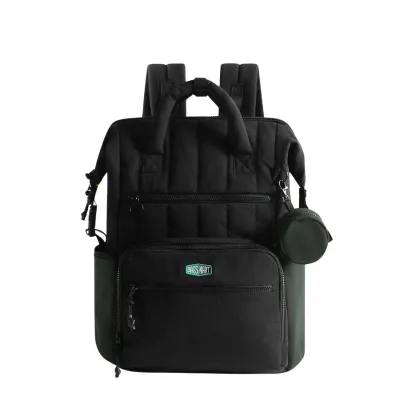
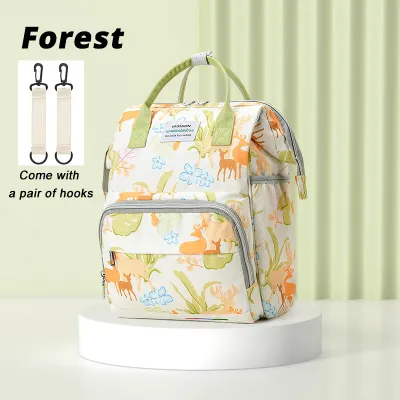
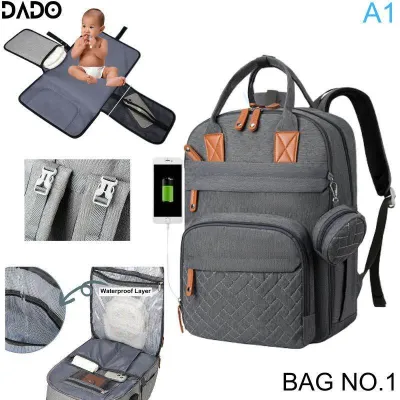
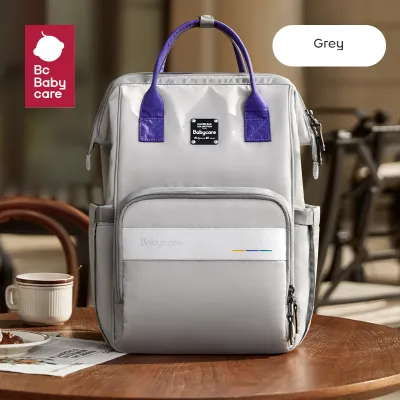
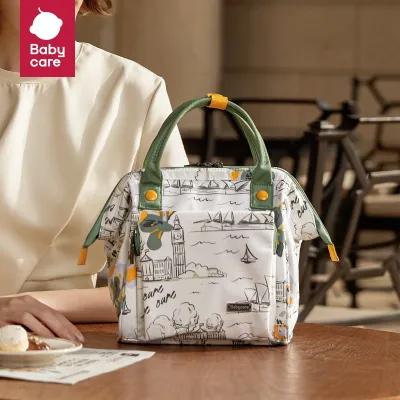
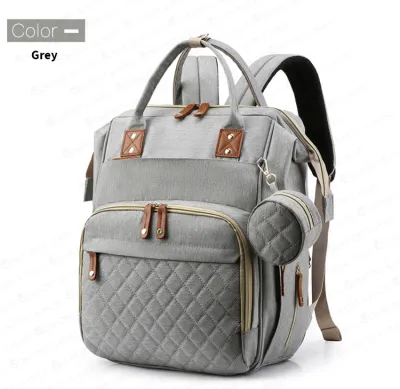
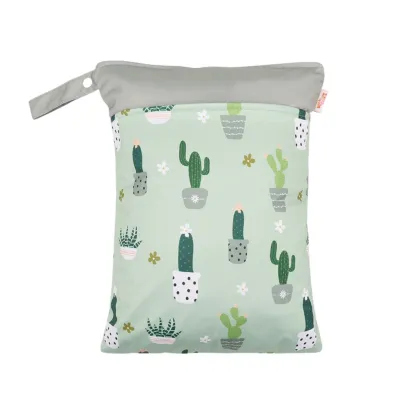
Prices are valid at publication and may change. Please refer to the product page for the latest price.
However, a lower empty weight does not automatically guarantee a superior diaper bag. Some ultra-lightweight bags achieve their low weight by sacrificing structural support, using flimsy fabrics that sag when loaded, or omitting essential shoulder strap padding. A bag that lacks structure can become uncomfortable to wear because the weight of the contents shifts constantly, creating pressure points on your shoulders. The goal is to find a balanced ratio where the bag remains lightweight but retains enough structural integrity to distribute the weight of your baby gear evenly across your body.
How to Compare Brand Specifications for Storage Efficiency
When shopping for a diaper bag in Singapore, whether visiting physical boutiques or browsing local online marketplaces, comparing manufacturer specifications is the first step toward finding an efficient design. Start by checking the product tags or official online listings for the exact empty weight, which is ideally listed in grams or kilograms. Be cautious of listings that omit the empty weight entirely, as this often indicates a heavier construction. A highly efficient diaper bag typically weighs under 800 grams when empty, while some ultra-lightweight options can weigh as little as 500 grams.

The choice of material plays a primary role in determining both the bag’s base weight and its suitability for Singapore’s tropical climate. Nylon and polyester are the most common lightweight materials, offering an excellent balance of low weight, durability, and water resistance. High-density nylon, such as ripstop or crinkled nylon, is particularly effective because it resists tears while remaining incredibly light. These synthetic fabrics are also highly practical for local weather, as they help protect your baby gear during sudden afternoon downpours and are easy to wipe dry. Heavy canvas, faux leather, or genuine leather, while stylish, add significant base weight and may struggle with humidity over time.
You should also closely examine the bag’s hardware and structural elements, as these are common sources of hidden weight. Metal zippers, heavy brass buckles, magnetic clasps, and rigid internal frames can collectively add several hundred grams to a bag’s empty weight. While metal hardware is often associated with premium quality, high-grade plastic zippers and lightweight nylon webbing can offer comparable durability without the weight penalty. Additionally, excessive foam padding in the body of the bag—as opposed to targeted padding on the shoulder straps—adds bulk and weight without contributing to your storage capacity.
Design Features That Maximize Usable Space
The internal architecture of a diaper bag significantly influences how much gear you can pack without increasing the bag’s physical footprint. Some parents prefer an open-concept main compartment, which maximizes raw volume and allows you to customize the interior using lightweight packing pouches. This approach minimizes the weight of internal fabric dividers and zippers. On the other hand, a bag with built-in lightweight mesh pockets and elasticized organizers can keep items secure and easily accessible, preventing the contents from pooling at the bottom and creating an unbalanced, heavy load.
External design features can also expand a bag’s utility without adding substantial weight. Look for external side pockets designed for water bottles or umbrellas, which keep these frequently accessed items outside the main compartment. Integrated stroller straps or D-rings allow you to hang the bag directly from your stroller handlebar, instantly transferring the weight off your shoulders during long walks. However, ensure these attachment points are constructed from lightweight, high-strength materials rather than heavy metal clips, so they do not unnecessarily increase the bag’s base weight when you do choose to carry it.
For maximum flexibility, consider bags that feature expandable sections or modular components. Some lightweight diaper bags include zippered expansion panels that allow you to increase the bag’s capacity by several liters only when needed, such as during full-day weekend trips. Modular inserts, such as removable insulated bottle holders or compact diaper clutches, allow you to scale the bag’s weight and capacity down for shorter outings. This adaptability ensures you are never carrying more bag than your current situation requires, keeping your load as light as possible.
Decision Framework: Matching the Ratio to Your Outing Needs
Choosing the right weight-to-capacity ratio depends heavily on your daily parenting routine and the age of your children. If you have multiple young children, or if you frequently plan full-day outings to places like Sentosa or the Singapore Zoo, you will naturally require a high-capacity bag. In this scenario, prioritizing a larger volume—even if it means accepting a slightly higher empty weight of 800 to 900 grams—is often the most practical choice. The key is to ensure that this slightly heavier bag features robust, padded shoulder straps and an ergonomic back panel to help manage the substantial load.
Conversely, if your outings are primarily short trips to the local supermarket, neighborhood playground, or if you rely heavily on a stroller with its own under-seat storage basket, an ultra-lightweight and compact bag is highly advantageous. A smaller bag with a capacity of 10 to 15 liters and an empty weight of under 500 grams will prevent you from overpacking and keep you agile. This setup is ideal for quick transitions in and out of car seats or public buses, where a bulky backpack would feel restrictive and hot against your back.
Before making a final purchase, always verify how the bag distributes weight when fully loaded. If shopping in a physical store, consider placing a few items inside the bag to test how the straps sit on your shoulders. Look for wide, contoured shoulder straps lined with breathable mesh, which helps dissipate heat and moisture in Singapore’s humid climate. If buying online, read customer reviews specifically focusing on strap comfort and weight distribution, and verify the manufacturer’s return policy so you can inspect the bag’s comfort levels at home before committing to daily use.
Frequently Asked Questions (FAQ)
How do I clean a lightweight nylon diaper bag without damaging it?
Always check the manufacturer’s care label inside the bag before attempting any cleaning method, as specific fabric treatments or coatings may have unique requirements. For general maintenance, spot-cleaning is the safest and most effective approach. Use a soft, damp cloth with a small amount of mild, fragrance-free liquid soap to gently wipe away dirt or spills from the nylon surface. Avoid using harsh chemical cleaners, bleach, or abrasive brushes, which can degrade the water-resistant coating or weaken the synthetic fibers. Unless the manufacturer explicitly states that the bag is machine washable, avoid submerging it fully or placing it in a washing machine, as this can warp the bag’s structure and damage the zippers.
Can I use a regular lightweight backpack as a diaper bag?
Yes, you can use a standard lightweight backpack as a diaper bag, but you should be prepared for a few practical trade-offs. Standard backpacks often lack specialized features like insulated bottle pockets, dedicated quick-access wipe compartments, and water-resistant, easy-to-clean interior linings designed for spills. To make a regular backpack functional, you will likely need to purchase separate lightweight packing cubes or a diaper bag organizer insert, which can add to the overall weight and cost. Additionally, ensure the regular backpack has comfortable, breathable shoulder straps, as carrying baby gear for extended periods requires excellent weight distribution to prevent shoulder strain.

Community discussion
Share your experience or ask a question. Comments are reviewed before publication.