
In Singapore, securing young passengers properly is not just a matter of parental preference; it is a strict legal requirement under the Road Traffic Act. Anyone under the height of 1.35 metres must be secured with an approved child restraint appropriate for their height and weight, or use a booster seat to supplement the vehicle’s seat belt. Failing to do so puts young passengers at significant risk and constitutes a traffic offence for the driver.
Understanding how these regulations apply to your daily commute is essential for keeping your family safe and compliant. Whether you are driving your own car, booking a private hire ride, or taking a taxi, navigating the specific rules surrounding booster seats ensures every journey is both lawful and secure.
Decoding the Height and Age Rules for Child Restraints
Singapore’s traffic laws use physical height as the primary yardstick for determining when a child must use a specialized restraint. Regardless of age, any passenger who measures less than 1.35 metres (approximately 4 feet 5 inches) must be secured in an approved child car seat or booster seat. This height threshold is chosen because standard adult seat belts are engineered to protect bodies that have reached at least this height, ensuring the belt rests on strong bony structures rather than soft tissue.
Products mentioned in this guide
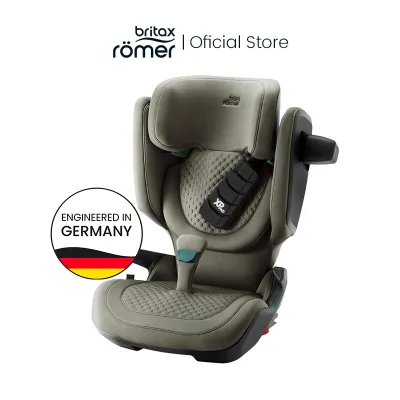
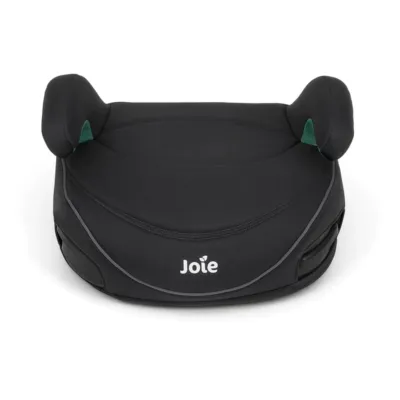
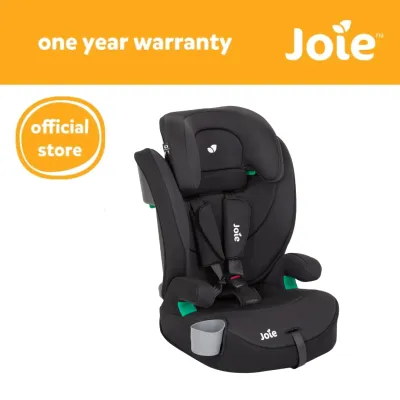
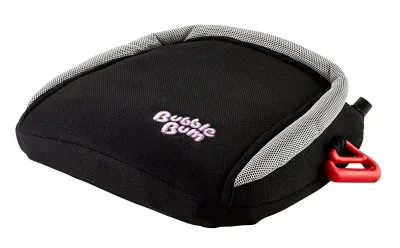
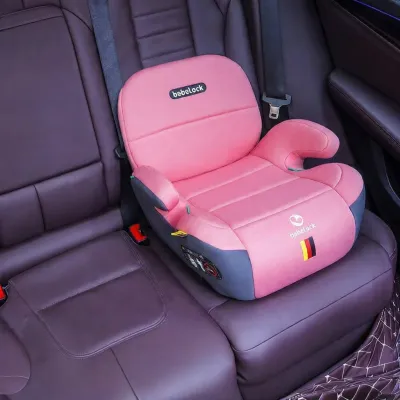
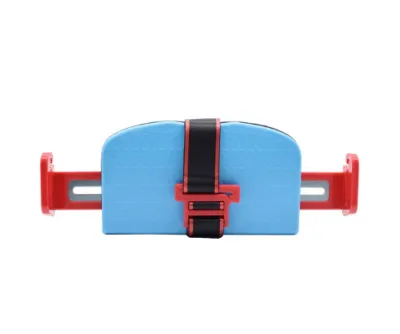
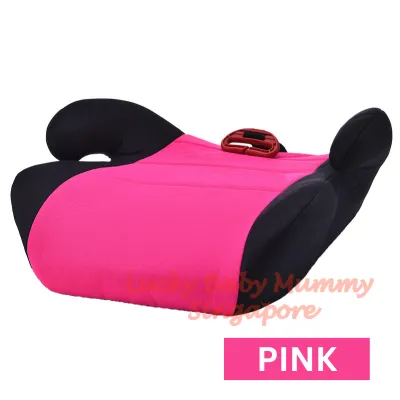
Prices are valid at publication and may change. Please refer to the product page for the latest price.
To measure your child accurately for compliance, have them stand flat-footed against a flat wall without shoes. Use a ruler or book resting flat on top of their head to mark the height on the wall, then measure from the floor to that mark. Relying on older measurements or guessing can lead to premature transitions, which may compromise safety and violate local traffic regulations.
While height is the legal determinant, age and physical development play a supporting role in deciding when to transition. Many children do not reach 1.35 metres until they are between eight and twelve years old. Even if a child has reached the legal height limit, parents should verify that the adult seat belt fits correctly across the shoulder and hips before removing the booster seat entirely. If the belt still rides up against the neck or sits across the abdomen, continuing to use a booster seat is highly recommended.
When using hired transport, the rules vary depending on the vehicle type. Public taxis are currently exempt from the child restraint requirement due to practical constraints, meaning children under 1.35 metres can legally travel in the rear seat using only the adult seat belt. However, private hire vehicles booked through ride-hailing applications are not exempt from this law. Parents travelling in private hire cars must provide their own compliant booster seats or book specialized vehicle tiers that supply appropriate child restraints.
Identifying Legally Compliant Car Booster Seats
To satisfy Singapore’s legal standards, a car booster seat must carry a recognized safety certification label. Local authorities accept several international standards, including the European Union standards (such as ECE R44/04 or the newer R129/i-Size), United States standards (FMVSS 213), British standards, Japanese standards, or Australian standards. Before purchasing, you must physically inspect the seat or its packaging for these official certification markings, which are typically displayed on an orange or white sticker.

Booster seats generally fall into two categories: high-back boosters and backless boosters. High-back models feature a built-in backrest and head support, which help position the vehicle’s shoulder belt correctly across the child’s chest while offering additional side-impact protection. Backless models simply raise the child so the vehicle’s seat belt sits in the correct position. While both styles can be legally compliant, newer safety standards restrict the use of backless boosters to children who have reached specific height and weight thresholds, making it essential to verify the manufacturer’s instructions.
Always cross-reference the manufacturer’s stated weight and height limits with your child’s current measurements. A booster seat is only legally compliant and physically effective if the child falls within the specified limits printed on the product label. If your child exceeds the maximum weight or height limit for a particular booster model, you must transition them to a larger model or, if they have reached 1.35 metres, to the vehicle’s adult seat belt.
Avoid purchasing booster seats that lack clear certification labels or instruction manuals. Unbranded seats sold online may not meet the rigorous crash-testing requirements demanded by local regulations. Verifying the authenticity of the safety label is a crucial step in ensuring the product will perform as intended during a sudden stop or collision.
Ensuring Proper Installation and Usage Boundaries
Correct installation is just as important as choosing a compliant seat. When positioning a car booster seat, ensure it sits flat against the vehicle’s seat back. The vehicle’s lap belt must be routed low across the child’s upper thighs and hips, never across the soft abdomen. The shoulder belt must cross the center of the child’s chest and the middle of their shoulder, avoiding the neck and face entirely. Many booster seats feature color-coded belt guides to help parents route the seat belt correctly.
Regularly inspect the booster seat for observable signs of wear and tear that could compromise its structural integrity. Look for hairline cracks in the plastic shell, frayed or twisted straps, and compressed or deteriorating foam padding. If the seat has been involved in a moderate to severe vehicle collision, it must be replaced immediately, even if there is no visible damage, as internal stress fractures can weaken the structure.
Using second-hand booster seats carries inherent risks, especially if the seat’s history is unknown. A second-hand seat may have been involved in an accident, stored incorrectly, or missing crucial parts and instruction manuals. Additionally, booster seats have expiration dates—typically six to ten years from the date of manufacture—due to the natural degradation of plastic over time. Always locate the manufacture date stamped on the underside of the seat shell to verify it has not expired.
Modifying a booster seat by adding aftermarket cushions, unapproved strap adjusters, or non-original covers can void its safety certification and compromise its performance. Only use accessories that have been explicitly approved and tested by the seat’s manufacturer. Keeping the seat in its original, unmodified condition ensures it remains compliant with local safety standards.
Navigating Penalties and Safety Risks of Non-Compliance
Drivers in Singapore face strict penalties if they fail to ensure that passengers under 1.35 metres are properly secured. If stopped by traffic authorities, a driver found carrying an unrestrained child can face composition fines and demerit points on their driving record. For serious or repeat offences, drivers may be prosecuted in court, which can lead to heavier fines or custodial sentences. These penalties apply to private car owners as well as drivers of private hire vehicles.
Beyond the legal consequences, the physical safety risks of non-compliance are severe. When a child who is too short uses only an adult seat belt, a sudden stop or collision can cause “seat belt syndrome.” This occurs when the lap belt rides up onto the vulnerable abdomen, risking severe internal organ damage, while the shoulder belt cuts across the neck, potentially causing spinal or airway injuries. A booster seat prevents this by raising the child to the correct height so the seat belt can distribute crash forces safely across the pelvis and ribcage.
If you are unsure whether your current car seat setup meets Singapore’s legal standards, take proactive steps to verify your configuration. You can consult the official guidelines published by the Singapore Traffic Police or seek assistance from certified child passenger safety technicians. Many local family motoring organizations and safety advocates offer fitting demonstrations and compliance checks to help parents secure their children correctly.
Regularly reviewing your child’s growth against the legal requirements ensures you remain compliant as they transition through different stages. By staying informed and verifying the certification, fit, and condition of your car booster seat, you protect your child and ensure peace of mind on every journey.
Frequently Asked Questions (FAQ)
Can my child sit in the front seat with a booster seat?
In Singapore, children under 1.35 metres are generally not permitted to travel in the front passenger seat unless they are secured in an appropriate child restraint. While using a compliant booster seat in the front seat may be legally permissible under specific conditions, it is highly discouraged due to the extreme force of deploying passenger airbags. If you must place a booster seat in the front passenger seat, you must verify with your vehicle’s manufacturer that the passenger airbag can be and is deactivated, and slide the vehicle seat as far back as possible. The rear seat remains the safest and recommended position for all children using booster seats.
Are backless booster seats legal in Singapore?
Yes, backless booster seats are legal in Singapore, provided they carry an approved safety certification label (such as ECE R44/04 or R129) and are used in accordance with the manufacturer’s instructions. However, parents must verify the specific height and weight limits printed on the product label. Under newer safety standards, backless boosters are typically restricted to older, taller children who have reached a minimum height of 125 cm and a weight of 22 kg. For younger or smaller children, a high-back booster seat is recommended to provide essential side-impact protection and proper belt routing.
Do the same rules apply to private hire cars and taxis?
No, the rules differ significantly between these two types of hired transport. Under Singapore law, public taxis are exempt from the child restraint requirement, meaning children under 1.35 metres can legally travel in the rear seat of a taxi using only the adult seat belt. In contrast, private hire cars booked via ride-hailing apps are treated the same as private passenger cars and enjoy no such exemption. If you travel with a child under 1.35 metres in a private hire car, you must provide a compliant booster seat or book a specialized ride service that provides appropriate child restraints.

Community discussion
Share your experience or ask a question. Comments are reviewed before publication.