
Lady finger, also widely known as okra, is a nutrient-dense vegetable that you can safely introduce to your baby’s diet once they are ready for solid foods, typically around six months of age. This vibrant green pod offers a unique combination of dietary fiber, essential vitamins, and minerals that support your infant’s rapid growth and digestive health. By preparing it correctly to match your baby’s developmental stage, you can turn this versatile vegetable into a safe, soft, and highly beneficial addition to their early meals.
Nutritional Benefits of Lady Finger for Infants
Lady finger is packed with essential nutrients that play a vital role in your baby’s early development. One of its most notable features is its high dietary fiber content, which helps support a healthy digestive system. Introducing fiber-rich foods early on can assist in keeping your baby’s bowel movements regular and preventing the common discomfort of infant constipation.
Beyond fiber, these green pods contain important vitamins and minerals that contribute to overall health. They are a natural source of vitamin C, which supports a robust immune system, and vitamin A, which is crucial for healthy vision and skin development. Additionally, lady finger provides essential minerals like calcium and folate, supporting bone growth and cellular development during these critical early months.
Products mentioned in this guide
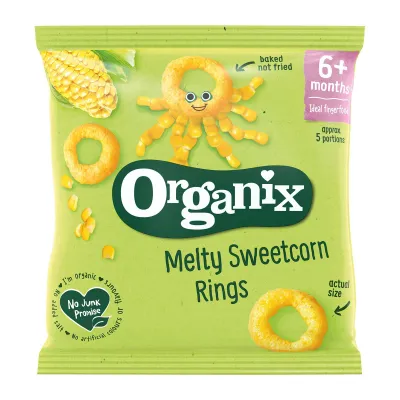
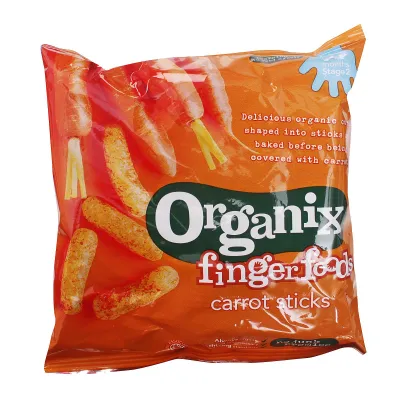
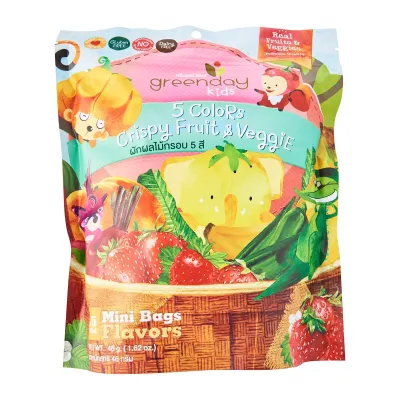
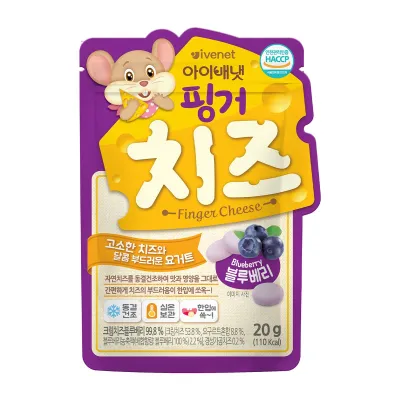
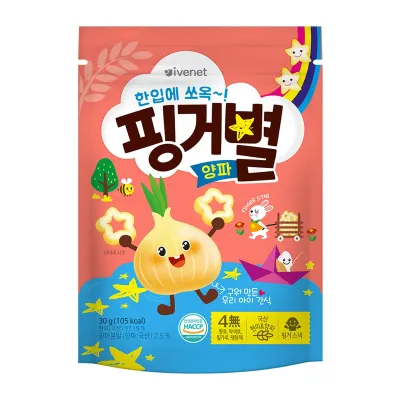
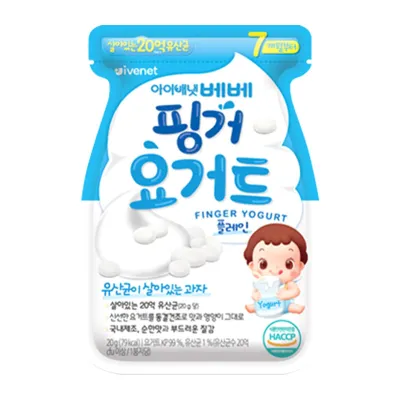
Prices are valid at publication and may change. Please refer to the product page for the latest price.
The unique, slightly slimy texture of lady finger comes from its natural mucilage. While this texture might seem unusual at first, it actually serves a practical purpose in infant feeding. The mucilage acts as a natural lubricant, making the cooked vegetable smoother and easier for your baby to swallow, while also gently soothing their developing digestive tract.
Because every infant has unique nutritional requirements, it is always best to consult official dietary guidelines or your pediatrician. They can help you understand how to balance lady finger with other nutrient-dense foods to ensure your baby receives a well-rounded diet.
When to Introduce Lady Finger to Your Baby
Determining the right time to introduce lady finger involves watching for key developmental milestones rather than relying solely on the calendar. Most infants are ready to begin their solid food journey around six months of age. At this stage, their digestive systems are mature enough to handle foods other than breastmilk or infant formula.

Before offering lady finger, ensure your baby displays the physical signs of readiness for solids. Your baby should be able to sit up with minimal support and maintain good head control. Another crucial milestone is the fading of the tongue-thrust reflex, which naturally prevents infants from choking by pushing solid objects out of their mouths.
When you decide to introduce lady finger, it is highly recommended to follow the single-ingredient introduction rule. Serve the cooked vegetable on its own for a few days without introducing any other new foods. This practice allows you to monitor your baby closely for any potential adverse reactions, making it much easier to identify the culprit if a sensitivity occurs.
Since individual developmental timelines can vary significantly, check with a qualified healthcare professional before starting solids. A pediatrician or pediatric dietitian can provide personalized guidance tailored to your baby’s specific growth and readiness.
How to Prepare and Serve Lady Finger Safely
Proper preparation is essential to make lady finger safe and easy for your baby to consume. Start by thoroughly washing the fresh pods under cold running water. This step is crucial for removing any surface dirt, pesticide residues, or the fine, fuzzy hairs on the skin that might otherwise irritate your baby’s sensitive mouth and throat.
Once clean, the best cooking methods are steaming or boiling, as they preserve the vegetable’s nutrients while softening its fibrous structure. Cook the lady finger pods until they are completely soft and can be easily mashed between your fingers. Avoid frying or using high-heat roasting methods that can create tough, chewy skins.
After cooking, adjust the texture of the lady finger to match your baby’s current chewing and swallowing abilities. For babies just starting solids, blend the cooked pods into a completely smooth, thin puree. As your baby develops better oral motor skills, you can transition to a thicker mash, and eventually to soft, bite-sized pieces that they can pick up as finger food.
When preparing baby food, always keep the recipe simple and natural. Do not add salt, sugar, honey, or strong spices to the lady finger. Your baby’s kidneys are still developing and cannot process added salt, while honey carries a risk of infant botulism and must be avoided completely during the first year.
Safety Precautions and When to Stop
While lady finger is highly nutritious, it can pose a serious choking hazard if it is raw, undercooked, or cut into improper shapes. The fibrous nature of the pod and the small seeds inside require careful attention. Always ensure the vegetable is cooked to a melt-in-the-mouth softness, and avoid serving large, round slices that could easily block your baby’s airway.
As with any new food, you must monitor your baby for signs of food allergies or intolerances during and after feeding. Watch for immediate or delayed reactions such as skin rashes, hives, swelling around the mouth or eyes, vomiting, or sudden diarrhea. If you observe any of these symptoms, stop feeding the vegetable immediately.
It is also common to notice minor digestive adjustments when introducing new vegetables, such as slight changes in stool consistency or color. However, if your baby experiences persistent abdominal pain, excessive gas, or watery diarrhea, it may indicate that their digestive system is not yet ready for this specific food.
Establish clear boundaries for when to seek professional medical help. If your baby shows signs of a severe allergic reaction, such as difficulty breathing or lethargy, seek emergency medical care immediately. For milder, persistent digestive issues or suspected intolerances, stop serving lady finger and consult your pediatrician or a pediatric dietitian.
Frequently Asked Questions (FAQ)
Can lady finger cause gas or constipation in babies?
The dietary fiber in lady finger is excellent for preventing constipation, but a sudden increase in fiber can sometimes cause temporary gas as your baby’s gut bacteria adapt. To minimize this, introduce the vegetable in small amounts and ensure your baby remains well-hydrated with breastmilk or formula. If digestive discomfort or bloating persists, consult your doctor for guidance.
Is it safe to feed raw lady finger to infants?
No, raw lady finger is not safe for infants. Uncooked pods are tough, fibrous, and extremely difficult for a baby to chew, presenting a severe choking hazard. Cooking is absolutely necessary to soften the vegetable’s structure and neutralize certain natural compounds, making it safe and easy for your baby to digest.
How often should I include lady finger in my baby's diet?
Lady finger should be offered as part of a varied and balanced diet rather than as a daily staple. Rotating different vegetables ensures your baby receives a wide spectrum of nutrients and prevents them from becoming picky eaters. Follow standard infant portion sizes, pay close attention to your baby’s hunger and fullness cues, and let their appetite guide the meal.

Community discussion
Share your experience or ask a question. Comments are reviewed before publication.