
Is Korean pear juice safe for babies? Generally, pediatric guidelines advise against giving any fruit juice to babies under 12 months of age. Breast milk or infant formula provides all the necessary hydration and nutrition during the first year of life. Introducing juice too early can displace essential nutrients, increase the risk of tooth decay, and foster a preference for overly sweet flavors. For toddlers over one year old, 100% pure Korean pear juice can be offered occasionally in highly limited amounts, but it should never replace whole fruits. Parents must carefully evaluate commercial products, understand proper dilution, and monitor for any adverse reactions before making it a part of their child’s diet.
General Pediatric Guidelines for Baby Juice
Major pediatric organizations globally recommend avoiding any fruit juice for infants under 12 months. During this first year, a baby’s digestive system is still maturing, and their nutritional needs are fully met by breast milk or infant formula. Introducing juice too early can interfere with their intake of these primary milk sources, potentially leading to nutritional imbalances.
When a baby starts solid foods around six months, whole fruit purees are highly preferred over juices. Whole fruits retain natural dietary fiber, which plays a crucial role in slowing down the absorption of natural sugars in the digestive tract. This fiber helps keep the baby feeling full and supports healthy bowel movements.
Products mentioned in this guide
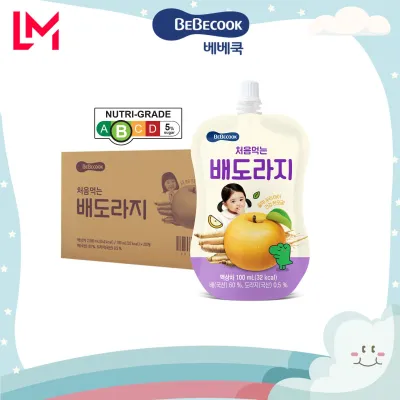
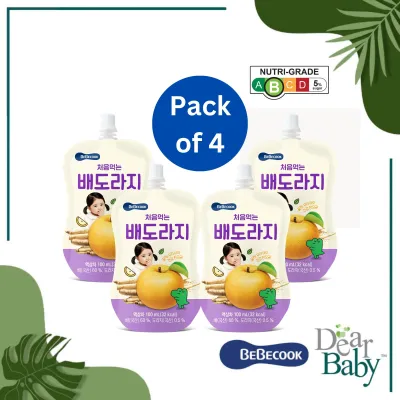
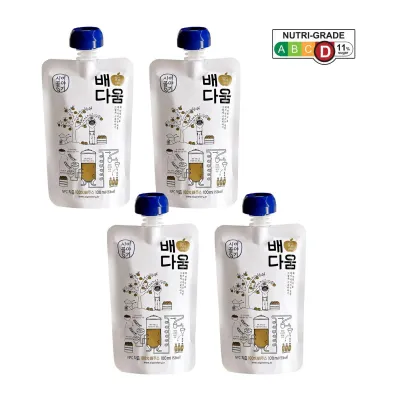
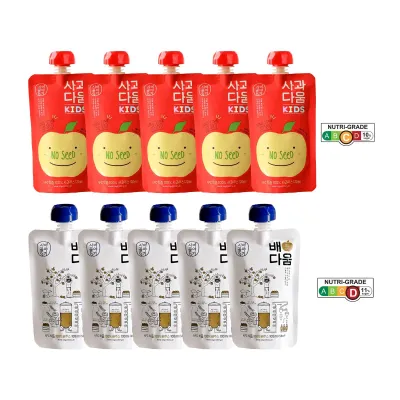
Prices are valid at publication and may change. Please refer to the product page for the latest price.
When juice is extracted, the beneficial structural fiber is removed, leaving behind a concentrated liquid high in natural sugars like fructose and sorbitol. Without fiber, these sugars are absorbed rapidly, which can overwhelm a baby’s sensitive stomach and lead to loose stools. Additionally, drinking sweet liquids can quickly fill up a small tummy, leaving less room for nutrient-dense solid foods or milk.
Every baby develops at an individual pace, and their readiness for new foods or beverages can vary. Before introducing any beverage other than breast milk, formula, or small sips of water after six months, parents should consult their pediatrician. A healthcare professional can provide personalized guidance based on the baby’s growth chart, digestive health, and overall developmental milestones.
Evaluating Commercial Korean Pear Juice Products
When shopping for commercial Korean pear juice, parents must carefully scrutinize the product labels. Many products marketed as fruit drinks or juices contain added sugars, high-fructose corn syrup, or artificial sweeteners to enhance flavor. For young children, these additives are highly unsuitable and can contribute to early childhood tooth decay and unhealthy weight gain. Parents should look for labels that explicitly state “100% pure juice” and verify that no extra sweeteners are listed in the ingredients.

It is also vital to check whether the juice is made from concentrate or is direct-pressed. Direct-pressed juices are generally less processed and retain more of the natural fruit characteristics, whereas juices from concentrate often undergo more intense heating and reconstitution processes. Additionally, parents should check the label for any added preservatives, artificial colorings, or synthetic flavorings, which are unnecessary and should be avoided in foods intended for young children.
Allergen verification is another critical step when evaluating commercial products. While pears themselves are not among the most common food allergens, commercial juices may be processed in facilities that handle other ingredients like soy, dairy, or nuts. Parents must read the packaging carefully for cross-contamination warnings or precautionary allergen statements. If a baby has known food sensitivities, choosing a product certified as allergen-safe or processed in a dedicated facility is a safer approach.
The packaging of commercial juice products also warrants close inspection. Many toddler food brands package juice in convenient squeeze pouches with plastic screw caps. While convenient, these caps can pose a serious choking hazard if left within reach of an unsupervised child. Furthermore, allowing a baby to suck directly from a pouch spout for prolonged periods can pool sweet liquid around their developing teeth, increasing the risk of dental caries. Parents should always pour the juice into an appropriate cup rather than letting the child drink directly from the packaging.
Steps for Safely Introducing Pear Juice
If a pediatrician has cleared the introduction of Korean pear juice for a toddler over 12 months, parents should follow a highly cautious and structured approach. The first and most important step is dilution. Offering full-strength juice can be too harsh on a young child’s sensitive stomach and developing teeth. Parents should dilute the juice with cooled, boiled water, starting with a ratio of one part juice to at least two or three parts water, gradually moving to a 1:1 ratio if tolerated well.
Portion control is equally essential to prevent overconsumption of sugar. For toddlers between 12 and 24 months, the total daily intake of any fruit juice should be strictly limited to no more than 118 milliliters (about 4 ounces), and even less is highly recommended. This small portion should not be given all at once but rather offered as a small treat alongside a meal. Restricting juice to meal times helps stimulate saliva production, which naturally aids in rinsing sugars away from the teeth.
The choice of feeding vessel plays a significant role in dental and oral development. Parents should never put pear juice into a baby bottle or a sippy cup that allows continuous, slow sipping throughout the day. Prolonged exposure to the natural sugars in juice can lead to rapid tooth decay, especially on the front teeth. Instead, the diluted juice should be served in a small open cup or a straw cup, which encourages proper swallowing patterns and limits the time the liquid spends in contact with the teeth.
When introducing Korean pear juice for the first time, parents should utilize the “wait and watch” method. This involves offering only a very small amount of the diluted juice and waiting three to five days before introducing any other new foods or beverages. During this observation period, parents should keep a close eye on the child’s stools, skin, and overall behavior. This isolated introduction makes it much easier to identify the specific source of any adverse reaction or digestive upset that might occur.
Warning Signs and When to Stop
Parents must remain vigilant for any signs of intolerance or allergic reaction after their child consumes Korean pear juice. Although rare, allergic reactions can manifest as hives, red skin rashes, swelling around the mouth or face, vomiting, or sudden, unusual fussiness. If any of these symptoms appear, parents should immediately discontinue offering the juice and consult a healthcare professional. For severe symptoms, such as difficulty breathing or widespread swelling, emergency medical care must be sought without delay.
Digestive issues are more common than true allergic reactions when introducing fruit juices. Pears contain high levels of fructose and sorbitol, a natural sugar alcohol that can be difficult for a young child’s immature digestive tract to absorb fully. This unabsorbed sugar can draw excess water into the large intestine, leading to watery diarrhea, painful abdominal bloating, and excessive gas. If a child experiences loose stools or signs of abdominal discomfort after drinking pear juice, it is a clear signal to stop offering it immediately.
There are also specific health conditions where fruit juice must be strictly avoided. For instance, if a child is currently suffering from diarrhea or recovering from a stomach flu, giving them pear juice can significantly worsen their symptoms due to its high osmotic load. Additionally, juice should not be used as a primary hydration source if a child is dehydrated or unwell; instead, oral rehydration solutions, breast milk, or formula should be prioritized under medical supervision. If the child is taking any prescribed medications, parents should check with a pharmacist or doctor to ensure there are no potential interactions with fruit juices.
Frequently Asked Questions (FAQ)
Can I make homemade Korean pear juice for my baby?
Making homemade Korean pear juice is a viable option for parents who want complete control over the ingredients, but it requires strict adherence to hygiene and safety standards. To begin, the fresh Korean pear must be thoroughly washed under running water to remove surface dirt and potential pesticide residues. Parents should then peel the skin completely and remove the core, seeds, and any hard fibrous parts, as these can pose a choking hazard or make the texture too gritty for a young child.
Once prepared, the pear can be steamed slightly to soften the flesh, making it easier to blend or press. Depending on the baby’s specific weaning stage and chewing ability, the resulting mixture can be finely pureed or strained through a fine-mesh sieve to remove any remaining pulp. Straining is necessary if a smooth liquid is desired, though keeping some fine pulp can retain a small amount of fiber.
Freshly prepared homemade juice lacks the pasteurization and preservatives of commercial products, making it highly susceptible to rapid bacterial growth. Therefore, any homemade pear juice must be served immediately or stored in a sterilized, airtight container in the refrigerator for no longer than 24 hours. Any leftover juice that has come into contact with the child’s saliva should be discarded immediately to prevent contamination.
Does pear juice help with baby constipation?
It is a common belief among parents that pear juice can serve as a natural remedy for baby constipation. This belief stems from the fact that pears naturally contain sorbitol and fructose, which are sugars that draw water into the large intestine, thereby softening the stool and stimulating bowel movements. While a small amount of diluted pear juice may occasionally help ease mild, temporary stool hardness in older infants, it should never be used as a primary or long-term treatment for constipation.
For persistent or severe constipation, relying on home remedies or dietary adjustments alone can delay proper medical care. Parents must consult a pediatrician to identify the underlying cause of the bowel issues before attempting to treat it with fruit juice. A healthcare professional can provide safe, age-appropriate recommendations and ensure that the constipation is not a symptom of a more significant health concern.
For infants who have already started solid foods, pediatricians generally prefer alternative dietary options over fruit juice to manage mild constipation. Offering fiber-rich whole fruit purees, such as pureed prunes, plums, or pears, is a much healthier approach. These purees provide the necessary dietary fiber to support healthy digestion without the sudden sugar spikes and dental risks associated with drinking extracted fruit juices.

Community discussion
Share your experience or ask a question. Comments are reviewed before publication.