
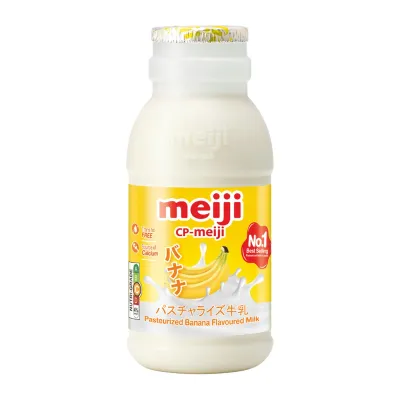
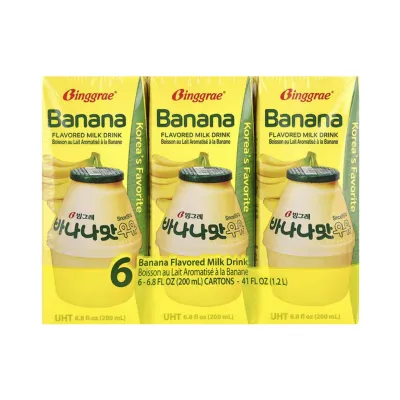
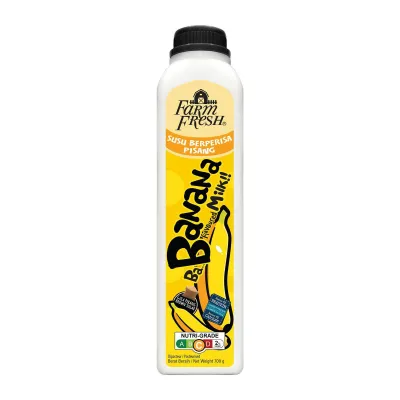
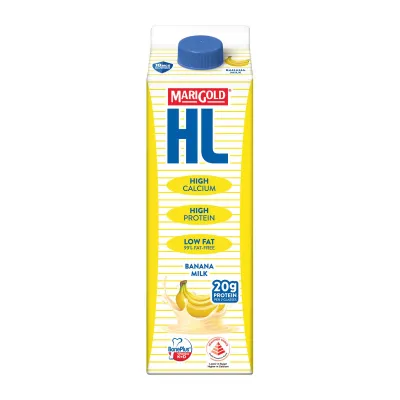
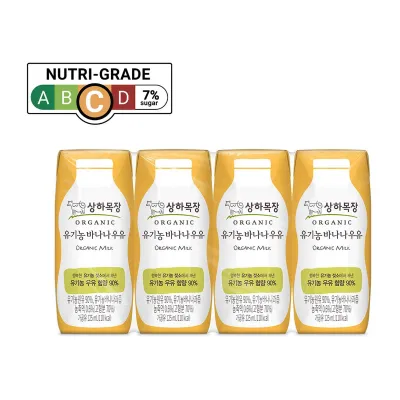
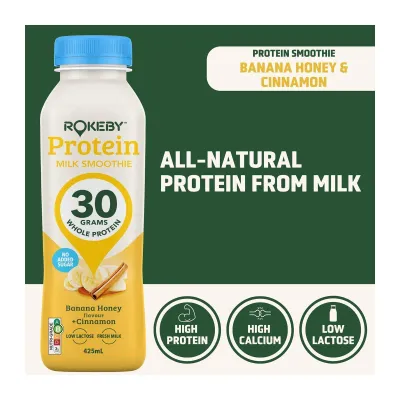
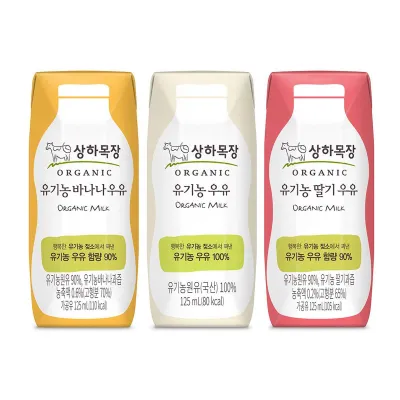
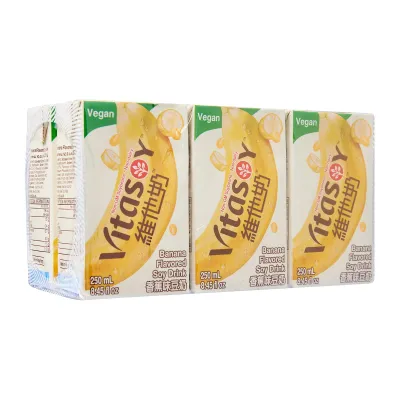
Determining whether banana milk is safe for your baby depends entirely on how the drink is prepared. Commercial banana milk, widely available on supermarket shelves, is generally unsafe and highly inappropriate for infants under twelve months of age. These store-bought beverages typically contain added sugars, artificial flavorings, preservatives, and a base of whole cow’s milk, none of which align with an infant’s delicate digestive system or nutritional needs.
In contrast, homemade banana milk is a completely different preparation. By blending fresh, ripe banana with breast milk or prepared infant formula, you can create a nutrient-dense, semi-solid food that is excellent for babies who are transitioning to solids. This homemade version allows you to control the ingredients completely, ensuring your baby receives only wholesome nutrition without any harmful additives.
Before introducing this homemade treat, it is essential to understand your baby’s developmental milestones and the safety precautions required for a smooth transition. Introducing new foods is an exciting phase, but it must be approached with care, patience, and a clear understanding of infant nutrition. By learning how to prepare and serve this food safely, you can support your baby’s growth while protecting their health.
Products mentioned in this guide
Prices are valid at publication and may change. Please refer to the product page for the latest price.
Understanding the Difference: Commercial Drinks vs. Homemade Puree
Commercial banana milk is a processed beverage designed primarily for older children and adults. These products are typically formulated with whole cow’s milk or unfortified plant-based milks as their base, which are difficult for an infant’s immature digestive tract to process. Furthermore, they are frequently loaded with refined sugars, stabilizers, and synthetic flavorings to enhance taste and shelf life, making them entirely unsuitable for a baby’s developing body.
Feeding commercial drinks to an infant can displace the vital nutrients they should be getting from breast milk or formula. The high sodium and protein content in whole cow’s milk can also place an unnecessary strain on a baby’s kidneys when introduced too early. Therefore, store-bought banana milk should be kept entirely out of your baby’s diet during their first year of life.
Homemade banana milk, on the other hand, is not actually “milk” in the commercial sense, but rather a smooth, liquidized puree. It is prepared by mashing a fresh, ripe banana and mixing it with breast milk or the baby’s regular infant formula. This preparation retains all the natural vitamins, minerals, and dietary fiber of the fruit while utilizing a liquid base that your baby’s system is already fully equipped to digest.
This homemade mixture serves as an excellent transitional food during the weaning stage. Because it incorporates the familiar taste of breast milk or formula, babies are often more accepting of the new flavor and texture of the banana. It allows you to introduce the benefits of solid food gradually without overwhelming your baby’s sensory or digestive systems.
If you are ever considering any packaged food options marketed for older babies or toddlers, it is crucial to develop the habit of reading product labels meticulously. Look past the attractive packaging and check the ingredient list for hidden sugars, such as cane sugar, maltodextrin, or fruit juice concentrates. Ensure there are no artificial preservatives, colors, or thickeners that could irritate your baby’s stomach.
Ultimately, preparing this food fresh in your own kitchen is a highly reliable way to ensure nutritional quality. By choosing whole ingredients and mixing them with your baby’s usual milk, you eliminate the risks associated with processed foods. This simple practice ensures that every spoonful of food your baby consumes supports their health and physical development.
When Is Your Baby Ready for Banana-Based Foods?
Determining when to introduce banana-based foods should be based on your baby’s individual developmental readiness rather than a strict calendar age. While many infants show signs of readiness around six months of age, every child develops at their own unique pace. Observing your baby’s physical milestones is the most reliable way to determine if they are ready to handle semi-solid foods safely.

One of the primary signs of readiness is the ability to sit upright with minimal support. Your baby must have strong trunk control to maintain a safe swallowing position, which significantly reduces the risk of choking. If your baby still slumps over or cannot hold their head steady, their digestive and respiratory tracts are not yet ready for anything other than liquid breast milk or formula.
Another critical milestone is the disappearance of the tongue-thrust reflex. This reflex is an involuntary response in young infants that automatically pushes any solid object or food out of their mouth with their tongue. Once this reflex fades, your baby will be able to move food from the front of their mouth to the back to swallow it safely.
You should also observe your baby’s interest in food during family mealtimes. If your baby watches you eat intently, reaches for your food, or opens their mouth when a spoon is brought near, they may be showing psychological readiness for weaning. However, these behavioral signs must always be accompanied by the physical milestones mentioned above.
It is important to remember that plain cow’s milk or unfortified plant-based milks should never be introduced as a primary drink before your baby’s first birthday. These liquids lack the specific balance of iron, vitamin C, and other essential nutrients that infants require for healthy brain and body development. Using them as a base for banana milk before this milestone can lead to nutritional imbalances and iron-deficiency anemia.
Before starting your baby on homemade banana milk or any other solid food, it is highly recommended to consult your pediatrician. A healthcare professional can evaluate your baby’s growth charts, physical development, and overall health history to provide a personalized weaning timeline. This step is particularly important if your baby was born prematurely or has a history of digestive issues.
Key Safety Precautions and Potential Risks
While bananas are generally considered a gentle and easily digestible first food, introducing them still requires careful attention to potential risks. Food allergies are a primary concern for parents when starting solids. Although a true banana allergy is relatively uncommon, it can occur, particularly in babies who have a family history of allergies or those diagnosed with moderate-to-severe eczema.
To minimize the risk of an allergic reaction, always introduce banana as a single-ingredient food first. Do not mix it with other new fruits or grains during the initial tasting sessions. If you are mixing the banana with infant formula, ensure that your baby has already safely consumed that specific formula brand without any adverse reactions, ruling out any underlying milk protein allergies.
Another significant concern is the impact of sugars on your baby’s emerging dental health. Even though the sugars in homemade banana milk are entirely natural, they can still contribute to early childhood tooth decay if allowed to pool in the mouth. Avoid letting your baby fall asleep with a bottle or cup containing banana milk, and gently wipe their gums or brush their new teeth with a soft baby toothbrush after feeding.
Choking is a critical hazard that caregivers must actively prevent when introducing semi-solid foods. For beginners, the consistency of the banana milk must be completely smooth, uniform, and entirely free of lumps. A poorly mashed banana can easily block a baby’s small airway, so utilizing a fine strainer or a dedicated baby food blender is highly recommended to achieve a safe, smooth texture.
Introducing solid foods also brings changes to your baby’s digestive system and bowel habits. Bananas contain dietary fiber, which can help regulate digestion, but they also contain starch that can sometimes lead to mild constipation in infants. If you notice your baby straining or passing hard, dry stools after eating banana milk, you may need to temporarily reduce the frequency of this food and offer more breast milk or formula.
Finally, always supervise your baby closely throughout the entire feeding process. Never leave your baby unattended while they are eating or drinking, even for a brief moment. Being present allows you to respond immediately if your baby experiences any difficulty swallowing, gagging, or showing signs of distress.
How to Safely Prepare Homemade Banana Milk
Preparing homemade banana milk safely begins with selecting the right ingredients and maintaining strict kitchen hygiene. Choose a fully ripe banana with a yellow peel and a few brown spots, as ripe bananas are softer, easier to blend, and much easier for your baby to digest. Avoid using green, unripe bananas, which contain higher levels of resistant starch that can cause gas and abdominal discomfort.
Before you begin preparation, wash your hands thoroughly with warm water and soap for at least twenty seconds. Clean and sanitize all preparation surfaces, cutting boards, knives, and blending equipment to prevent cross-contamination. In warm, humid climates, bacteria can multiply rapidly on kitchen surfaces, making meticulous hygiene even more critical for protecting your baby’s sensitive immune system.
To prepare the mixture, peel the ripe banana and slice it into small pieces. Use a fork to mash the banana in a clean bowl until it forms a completely smooth paste, or use a sterilized baby food blender for an ultra-smooth consistency. Gradually pour in a small amount of breast milk or freshly prepared infant formula, stirring continuously until you reach the desired thickness.
For babies who are just starting solids, the mixture should be quite thin and runny, resembling a slightly thickened liquid. As your baby becomes more experienced with swallowing and chewing motions, you can gradually increase the proportion of mashed banana to create a thicker, more textured puree. This gradual progression helps your baby develop their oral motor skills safely.
Always serve the homemade banana milk immediately after preparation to ensure maximum freshness and nutritional value. If your baby does not finish the entire portion, discard the leftovers immediately. Saliva from your baby’s mouth can introduce bacteria into the food, which can multiply rapidly at room temperature and cause foodborne illness if served again later.
When introducing this food for the first time, follow the “one new food at a time” rule. Offer only a small teaspoon of the banana milk early in the day, which allows you to monitor your baby’s reaction during their waking hours. Wait at least three to five days before introducing any other new food, keeping a close eye out for any signs of sensitivity or discomfort.
When to Stop Feeding and Consult a Pediatrician
As a caregiver, it is vital to recognize the signs of an adverse reaction and know when to seek professional medical advice. While most babies transition to solid foods without any major issues, some may experience sensitivities or allergic reactions that require immediate attention. Being observant and acting quickly can prevent minor issues from becoming serious health concerns.
Stop feeding the banana milk immediately and seek emergency medical care if your baby shows any signs of a severe allergic reaction. These symptoms can develop within minutes to a few hours after feeding and include hives, swelling of the face, lips, or tongue, sudden and forceful vomiting, wheezing, or difficulty breathing. Do not hesitate to contact emergency services if your baby appears distressed or has trouble breathing.
You should also contact your pediatrician if your baby exhibits signs of persistent digestive distress. This includes severe or watery diarrhea, prolonged constipation lasting several days, excessive fussiness or crying during or after feedings, or any visible blood or mucus in their stool. These symptoms can indicate a food intolerance or a sensitivity to the milk base used in the preparation.
If you notice a mild rash, redness around the mouth, or mild abdominal gas, pause the feeding of banana milk and consult your healthcare provider for guidance. It is highly advisable to err on the side of caution and have a professional evaluate your baby’s symptoms before attempting to offer the food again. Your pediatrician can help determine whether the reaction was caused by the banana, the milk base, or another environmental factor.
Never try to self-diagnose or manage severe reactions at home. Keeping a detailed food diary can be incredibly helpful for your pediatrician, allowing you to track exactly what your baby ate, the quantities consumed, and the precise timing of any symptoms. This information is invaluable for helping your doctor make an accurate assessment and create a safe feeding plan moving forward.
Frequently Asked Questions (FAQ)
Can I use plant-based milk to make banana milk for my baby?
Commercial plant-based milks, such as almond, soy, oat, or coconut milk, are not suitable substitutes for breast milk or infant formula during your baby’s first year. These beverages lack the essential fats, proteins, and micronutrients that are critical for supporting rapid infant growth and brain development. Using them as a mixing base can lead to nutritional deficiencies and imbalances. Unless your pediatrician specifically recommends a fortified plant-based formula due to a diagnosed medical condition, always use breast milk or your baby’s regular infant formula to prepare homemade banana milk.
Is it safe to give my baby store-bought banana milk occasionally?
It is highly recommended to avoid giving store-bought banana milk to infants, even as an occasional treat. Commercial banana milks are heavily processed and typically contain high amounts of added sugars, artificial flavorings, and chemical preservatives that are harmful to an infant’s digestive system and dental health. Furthermore, they are almost always made with a whole cow’s milk base, which is not recommended for babies under twelve months of age. Always check product labels for age suitability, and consult your pediatrician before introducing any commercially prepared milk drinks to your baby’s diet.
Community discussion
Share your experience or ask a question. Comments are reviewed before publication.