
To determine if Kodomo Natural baby detergent is safe for your newborn, you need to look closely at the specific formulation printed on your bottle. Newborn skin is exceptionally thin, highly permeable, and lacks the fully developed protective barrier of adult skin, making it vulnerable to chemical residues left on fabrics. While many baby detergents are formulated to be milder than standard household detergents, safety is never a universal guarantee. Parents must verify the exact ingredients, understand how to spot potential irritants, and perform a careful home trial before washing an entire wardrobe.
Because product formulations can vary by region, production batch, and market, relying on general brand reputation is not enough. Taking a systematic approach to reading labels and understanding chemical functions will empower you to make an informed decision for your infant’s health. By learning what goes into these products and how they interact with delicate skin, you can minimize the risk of contact dermatitis and keep your baby comfortable.
Evaluating the Kodomo Natural Ingredient List
When assessing Kodomo Natural baby detergent, your first step should always be to locate the official ingredient list on the physical product packaging. Manufacturers frequently update their formulations to improve performance or comply with changing safety standards, meaning online product descriptions may occasionally be outdated. If the physical label does not provide a full list of ingredients, visit the official brand website or contact their customer service department to request a complete breakdown.
Products mentioned in this guide
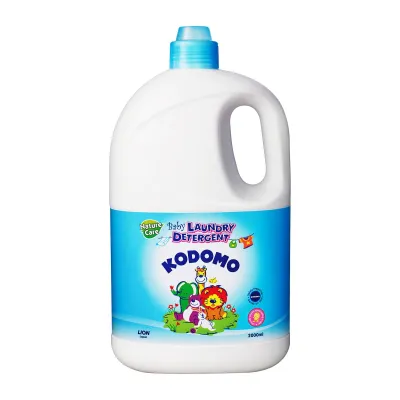
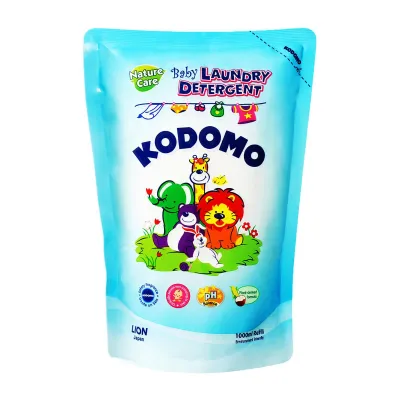
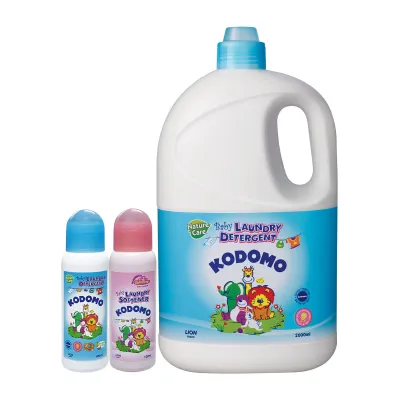
Prices are valid at publication and may change. Please refer to the product page for the latest price.
Once you have the list in hand, focus your attention on the primary surfactants, which are the active cleaning agents responsible for lifting dirt and oils from fabrics. Many baby detergents utilize plant-derived surfactants, such as those sourced from coconut or palm oil, because they tend to be gentler on skin than petroleum-based alternatives. However, you must still verify whether these surfactants are combined with synthetic boosters that might increase the risk of skin irritation.
Next, carefully scan the list for any added fragrances, dyes, and preservatives. These components are the most common culprits behind skin reactions in infants, yet they are often included to make the product look or smell appealing to parents. A truly minimalist formula will omit unnecessary aesthetic additives entirely, focusing solely on safe, functional cleaning agents.
Weigh the actual chemical names on the ingredient list against the manufacturer’s “free-from” claims on the front of the bottle. If the packaging boasts that the product is free from parabens, phosphates, or formaldehyde, verify that no chemical derivatives of these substances appear in the fine print. This cross-referencing step ensures that marketing claims align perfectly with the physical contents of the bottle.
Identifying Potential Irritants in Baby Detergents
To make an informed choice about Kodomo Natural or any other baby laundry product, you must understand which specific ingredients pose the greatest risk to newborn skin. Optical brighteners are a major concern in standard detergents and should ideally be avoided in baby formulas. These synthetic chemicals are designed to remain on fabric fibers after washing to reflect light and make clothes appear whiter, but this persistent residue can easily rub off onto your baby’s skin and cause irritation.

Synthetic fragrances and artificial dyes are another primary source of contact allergies in infants. While a freshly scented basket of laundry may seem desirable, the chemical compounds used to create synthetic perfumes can easily disrupt the delicate pH balance of a newborn’s skin. Dyes serve no functional purpose in cleaning clothes and are added solely for visual appeal, making them an entirely unnecessary risk for sensitive skin.
Harsh surfactants, such as sodium lauryl sulfate (SLS) or sodium laureth sulfate (SLES), can also be highly problematic. These foaming agents are highly effective at breaking down grease, but they can be overly aggressive on a newborn’s skin barrier. They tend to strip away the natural lipids and oils that keep your baby’s skin hydrated, leading to localized dryness, flaking, and increased susceptibility to external irritants.
Lastly, pay close attention to the preservatives used to keep liquid detergents shelf-stable. While preservatives are necessary to prevent the growth of harmful bacteria and mold in water-based products, certain types are known to trigger contact dermatitis. Avoid detergents that contain methylisothiazolinone (MI), methylchloroisothiazolinone (MCI), or formaldehyde-releasing agents, and look instead for milder, food-grade preservation systems.
Decoding "Natural" and "Baby-Safe" Labels
The terms “natural” and “baby-safe” are frequently used on laundry products, but they are not strictly regulated in the household cleaning industry. A manufacturer can legally label a detergent as “natural” even if it contains only a small percentage of plant-derived ingredients alongside a majority of synthetic chemicals. Understanding this regulatory gap is crucial for parents who want to avoid misleading marketing claims.
To navigate these labels effectively, look for recognized third-party certifications on the packaging. Certifications such as “dermatologically tested,” “hypoallergenic,” or independent eco-labels indicate that the product has undergone some level of standardized testing. Keep in mind, however, that “hypoallergenic” simply means the product is less likely to cause allergic reactions compared to standard formulas, not that it is guaranteed to be completely reaction-free for every child.
It is also important to recognize that plant-based or botanical ingredients are not inherently safe for all infants. Natural substances like essential oils, chamomile, or lavender extracts can still act as potent allergens or skin sensitizers for a newborn. Just because an ingredient originates from a plant does not mean it cannot trigger a skin reaction, making a simple, short ingredient list far safer than one packed with complex botanical extracts.
If you find that a product label is vague or uses broad category terms like “anionic surfactants” without specifying the exact chemical names, do not hesitate to take action. You can contact the manufacturer directly to request the Safety Data Sheet (SDS) for the product. This document provides a comprehensive breakdown of the chemical composition, hazards, and safety precautions associated with the detergent, allowing you to make a fully informed decision.
Safely Testing a New Detergent on Newborn Skin
Before committing to washing your newborn’s entire wardrobe with a new detergent like Kodomo Natural, it is wise to perform a controlled home trial. Start by selecting a small batch of items that come into direct, prolonged contact with your baby’s skin, such as cotton onesies or receiving blankets. Wash this small batch separately from the rest of the family’s laundry to prevent any cross-contamination from other detergents.
When washing this test batch, use the exact recommended dosage specified by the manufacturer on the packaging. Using too much detergent can lead to an accumulation of soap residue within the fabric fibers, which is a primary cause of skin irritation. Additionally, always program your washing machine to run an extra rinse cycle. This extra step helps flush away any lingering surfactants or fragrance molecules, ensuring the fabric is as clean and residue-free as possible.
Once the items are dry, dress your baby in one of the washed onesies during a period when you can closely supervise them. Observe their skin over the next twenty-four to forty-eight hours for any signs of localized irritation. Pay close attention to areas where the fabric fits snugly against the skin, such as the collar, cuffs, and diaper area, as these spots are most prone to friction and sweat-induced irritation.
During this trial period, keep a brief log of your baby’s skin condition and general behavior. Note any subtle changes, such as mild redness, dry patches, or unusual fussiness that might suggest skin discomfort. If your baby seems uncomfortable or starts rubbing their skin against the fabric, it is a sign that the detergent may not be suitable, even if a visible rash has not yet developed.
Recognizing Adverse Reactions and When to Seek Help
If your newborn does experience an adverse reaction to a laundry detergent, quick recognition and action are essential. The most common sign of detergent sensitivity is contact dermatitis, which typically presents as red, dry, bumpy, or itchy patches of skin. These patches will usually appear in areas directly covered by the washed clothing, while areas left uncovered, like the face or hands, may remain completely clear.
It is important to differentiate between contact dermatitis and other common newborn skin conditions, such as baby acne or milia. Baby acne usually appears as small red bumps or whiteheads on the cheeks, nose, and forehead, and it is driven by maternal hormones rather than external irritants. Milia present as tiny, harmless white bumps on the face caused by trapped skin flakes. Neither of these conditions is related to laundry detergent, and they typically resolve without intervention.
If you suspect a reaction to the detergent, immediately stop using the product and wash all affected clothing in plain, hot water without any soap to strip away residual chemicals. Bathe your baby in lukewarm water without harsh soaps, and dress them in clothing washed in a previously tolerated detergent. This simple reset allows the skin barrier to recover and helps you confirm whether the detergent was indeed the cause of the irritation.
While most mild skin reactions will fade within a few days of removing the irritant, you must know when to seek professional help. Consult a pediatrician or a pediatric dermatologist if the rash spreads rapidly, becomes intensely red or swollen, starts oozing, or causes your baby significant distress. Professional guidance is also necessary if the skin does not show signs of improvement after a few days of reverting to plain-water washing.
Frequently Asked Questions (FAQ)
Can I use Kodomo Natural detergent for the whole family's laundry?
Using a mild baby detergent like Kodomo Natural for the entire household is a highly practical choice, especially if other family members suffer from sensitive skin, eczema, or allergies. It simplifies your laundry routine by eliminating the need to separate loads and prevents the risk of cross-contamination, which occurs when a baby cuddles against an adult wearing clothes washed in harsh, heavily fragranced detergents.
However, you should consider the practical trade-offs, such as cost and cleaning efficacy. Baby detergents are often more expensive per wash load than standard family detergents, which can increase your household expenses over time. Additionally, because baby formulas are designed to be gentle, they may not be strong enough to remove heavy grease, sweat, or tough stains from adult workwear or sports gear without the help of a separate pre-treatment or stain remover.
Do I need to use a fabric softener with baby detergent?
You should avoid using traditional liquid fabric softeners on newborn clothing and bedding. Fabric softeners work by leaving a thin chemical coating over the fabric fibers to make them feel softer, but this residue can easily irritate a newborn’s sensitive skin. Furthermore, this chemical coating can significantly reduce the flame-resistant properties of children’s sleepwear and decrease the absorbency and breathability of cotton fabrics.
If you want to keep your baby’s clothes soft without using harsh chemicals, there are several safe alternatives available. Wool dryer balls are an excellent option, as they naturally soften fabrics and reduce static by gently separating clothes in the dryer. Alternatively, you can add half a cup of distilled white vinegar to your washing machine’s fabric softener dispenser during the rinse cycle; the vinegar naturally softens the water and fabric without leaving any scent or residue behind.
How long should I use a dedicated baby detergent for my child?
There is no strict age limit or medical rule dictating when you must stop using a dedicated baby detergent. Many parents choose to use mild formulas throughout their child’s first year, as this is the period when a baby’s skin barrier is most delicate and developing rapidly. Once your child reaches toddlerhood, their skin becomes significantly more resilient and less prone to sudden irritation from environmental factors.
When you decide to transition to a standard family detergent, do so gradually to monitor your child’s skin response. Start by washing a single load of outer clothing, such as jackets or pants, in the family detergent and observe your child for a few days. If their skin remains clear and free from irritation, you can slowly transition the rest of their wardrobe, but be prepared to revert to the baby detergent if any signs of redness or dryness reappear.

Community discussion
Share your experience or ask a question. Comments are reviewed before publication.