
Choosing the right laundry detergent for your baby is a critical step in protecting their delicate skin barrier from irritation, redness, and dryness. While Kodomo detergent refills are widely used by parents seeking a gentle cleaning solution, determining whether they are safe for your specific infant requires a careful look at their ingredient profile. Because baby skin is significantly thinner and more permeable than adult skin, even mild chemical residues left on fabric fibers can trigger contact dermatitis or exacerbate conditions like eczema. To make an informed decision, you must learn how to read the product label, understand the function of each component, and perform a controlled test at home.
Formulations can vary by region, product line, and batch, meaning that a general online search might not reflect the exact bottle or pouch in your laundry room. By understanding what goes into these specialized formulas, you can confidently select a detergent that balances effective stain removal with the utmost safety for your little one.
How to Find the Exact Ingredients in Your Kodomo Refill
To determine exactly what is inside your detergent, the physical packaging of your specific refill pouch is always the primary source of truth. Manufacturers occasionally update their formulations to improve performance, comply with new safety standards, or source alternative raw materials. Consequently, an online blog post or an older product review may list ingredients that differ from the batch currently sitting on your shelf. Always turn the refill pouch over and locate the ingredient list, which is typically printed on the lower half of the back label.
Products mentioned in this guide
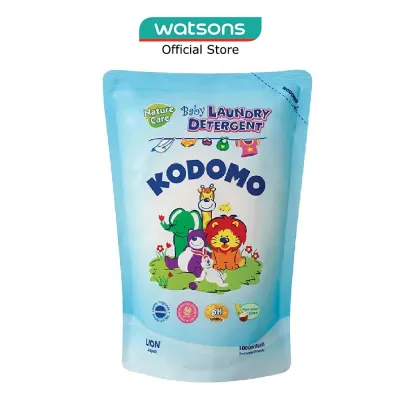
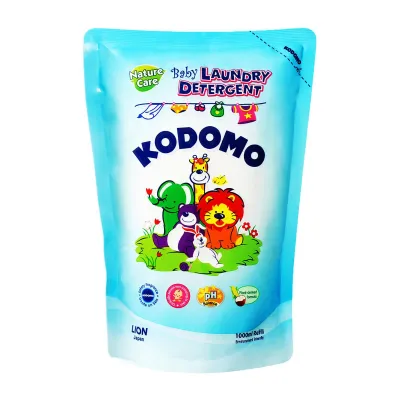
![[Carton Deal] Kodomo Baby Laundry Detergent Low Suds Refill 900ml](https://img.lazcdn.com/g/p/32385a14c4dff574c25090bdf96c85c0.jpg_400x400q80.jpg_.webp)
![[Carton Deal] Kodomo Baby Laundry Detergent Extra Care Refill 1L](https://img.lazcdn.com/g/p/68cf5807921369c7b96ec4885a305709.jpg_400x400q80.jpg_.webp)
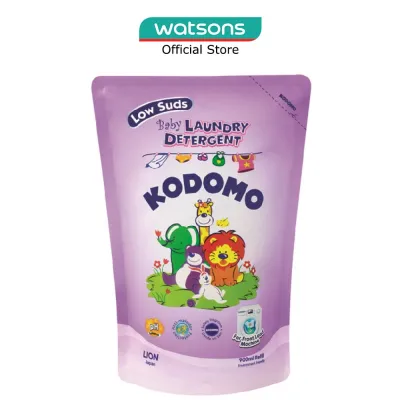
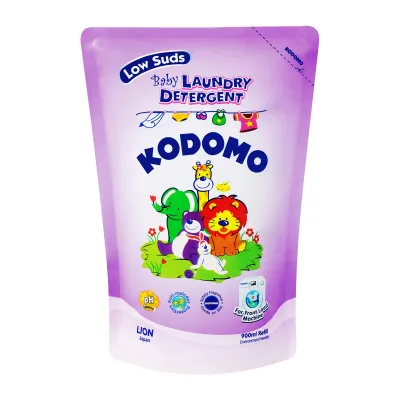
Prices are valid at publication and may change. Please refer to the product page for the latest price.
If the text on the packaging is too small, partially obscured, or printed in a language you cannot easily read, the next step is to consult the manufacturer’s official regional website. Avoid relying solely on product descriptions found on third-party e-commerce platforms or online marketplaces, as these listings are frequently copy-pasted from outdated sources and may omit crucial allergens or preservatives. Look for official product sheets or contact the brand’s local distributor directly to request the most recent Safety Data Sheet (SDS) for the specific product variant you purchased.
Keep in mind that different variants of the same brand—such as “Gentle Care,” “Nature’s Care,” or scented versus unscented options—will feature distinct chemical profiles. If your baby has highly reactive skin, make it a habit to check the label of every new pouch you buy, even if you have purchased the same brand previously. A quick scan of the ingredient list ensures that no unexpected additives have been introduced to the formula.
Decoding Common Baby Detergent Ingredients on the Label
Understanding the chemical terms on a detergent label empowers you to make safer choices for your household. The primary active components in any laundry detergent are surfactants, which lower the surface tension of water to help it penetrate fabric fibers. In baby-specific detergents, manufacturers often select mild, plant-derived surfactants—such as those derived from coconut or palm oil—rather than harsh synthetic sulfates like sodium lauryl sulfate (SLS). These gentler surfactants are highly effective at lifting organic soils, including breast milk, formula, spit-up, and diaper leaks, without leaving a harsh chemical residue behind.

Enzymes are another common category of ingredients used to target specific types of stains. Amylase breaks down starches, protease targets protein-based stains like milk and blood, and lipase tackles fats and oils. While enzymes are incredibly efficient at cleaning heavily soiled garments, they can occasionally remain trapped in the fabric weave and irritate babies with extremely sensitive skin or compromised skin barriers. If your infant is prone to severe rashes, you may want to verify whether your chosen refill variant is enzyme-free.
Preservatives are absolutely necessary in liquid detergents to prevent the growth of harmful bacteria, mold, and yeast over time. Because liquid formulas contain a high percentage of water, they would quickly spoil and become a health hazard without these stabilizing agents. Common baby-safe preservatives include sodium benzoate or phenoxyethanol, which are selected for their low irritation potential compared to older, formaldehyde-releasing preservatives.
Fragrances and dyes are added to give detergents an appealing scent and color, but they serve no functional purpose in cleaning your clothes. Synthetic fragrances are among the most common triggers for pediatric skin allergies and respiratory sensitivities. Even naturally derived essential oils can cause adverse reactions in newborns. When evaluating a refill pouch, check whether the scent is derived from synthetic perfumes, botanical extracts, or if the formula is completely free of added fragrances and colorants.
Assessing Safety for Sensitive Skin and Delicate Fabrics
When evaluating a detergent for an infant, especially one diagnosed with eczema or prone to dry patches, look for explicit “fragrance-free” or “dye-free” indicators on the front of the packaging. It is important to distinguish between “unscented” and “fragrance-free” products. Unscented products may still contain masking fragrances designed to neutralize the chemical smell of the raw ingredients, whereas fragrance-free products contain absolutely no added scent chemicals. For highly sensitive skin, a truly fragrance-free formula is always the safest starting point.
Do not assume that terms like “natural,” “organic,” or “plant-based” automatically guarantee absolute safety. While plant-derived ingredients are often more environmentally friendly and biodegradable, many natural substances are known allergens. For example, natural lavender or citrus extracts can trigger contact dermatitis in sensitive individuals just as easily as synthetic alternatives. Treat these marketing terms as helpful indicators of environmental impact rather than absolute proof of hypoallergenic safety.
Look for labels indicating that the product has been “dermatologist-tested” or “pediatrician-approved.” These claims generally mean the formula has undergone patch testing on human volunteers under clinical supervision to ensure a low incidence of skin irritation. While these tests provide a helpful layer of reassurance, they do not guarantee that your individual baby will not react to the product. Every infant’s skin chemistry is unique, making personal vigilance and careful observation essential.
Additionally, high-quality baby detergents are specifically formulated to rinse out of fabrics much more easily than standard adult detergents. Standard detergents often contain optical brighteners—chemicals that remain on the clothing fibers to reflect light and make colors appear more vibrant. These brighteners do not wash out and can constantly rub against your baby’s skin, leading to persistent irritation. Ensuring your baby’s detergent is free of optical brighteners helps maintain both fabric softness and skin health.
Safe Handling and Storage for Detergent Refill Pouches
Using detergent refill pouches is an excellent way to reduce plastic waste and save money, but transferring the liquid requires careful hygiene practices. Before pouring a new refill into your existing dispensing bottle, take the time to thoroughly wash, sanitize, and completely dry the container. Pouring fresh detergent into a bottle that still contains old residue or trapped moisture can introduce bacteria and mold, which can multiply rapidly and contaminate the entire batch, rendering the preservative system ineffective.
If you prefer to dispense the detergent directly from the refill pouch, ensure the spout or cap is kept clean and free of dried soap buildup. Wipe the nozzle with a clean, damp cloth after each use and screw the cap on tightly to prevent air, dust, and household pests from entering the packaging. Exposure to air can cause the liquid to dry out, thicken, or lose its efficacy over time.
Store your detergent refill pouches in a cool, dry place that is completely shielded from direct sunlight. High temperatures and humidity, which are common in tropical climates like Singapore, can degrade the active ingredients and preservatives in the formula, shortening its shelf life. Most importantly, always store these flexible pouches on a high shelf or inside a locked cabinet. Because refill pouches are soft and often feature bright, colorful designs, they can easily be mistaken for food or drink pouches by curious toddlers, posing a severe accidental ingestion hazard.
How to Test the Detergent and Monitor for Skin Reactions
Before committing to washing your baby’s entire wardrobe, bedding, and plush toys in a new detergent, it is highly recommended to perform a localized home patch test. Select a single, small item that comes into direct, prolonged contact with your baby’s skin, such as a cotton onesie, a swaddle blanket, or a crib sheet. Wash this single item using the new detergent refill according to the package instructions, ensuring you do not mix it with other laundry washed in different detergents.
Once the item is clean and completely dry, dress your baby in the washed onesie or place them on the washed sheet. Monitor their skin closely over the next 24 to 48 hours for any signs of an adverse reaction. Look specifically for localized redness, dry or rough patches, tiny raised bumps, or signs of discomfort such as scratching or unusual fussiness. Pay close attention to areas where the fabric fits snugly against the skin, such as the collar, cuffs, and diaper area.
If you observe any signs of skin irritation, remove the garment immediately and bathe your baby with mild, plain water to soothe the area. Stop using the detergent right away and consult your pediatrician or a pediatric dermatologist for guidance. Bring the detergent pouch or a clear photo of the ingredient list to your appointment so the doctor can help identify the specific chemical trigger.
If the skin reaction is extremely mild and you suspect it might simply be due to minor soap residue rather than a true chemical allergy, you can try adjusting your laundry routine. Run the clothes through an extra rinse cycle at the end of the wash to ensure every trace of surfactant is thoroughly flushed from the fabric fibers. If the irritation persists even after an extra rinse, it is best to switch to a completely different, fragrance-free formula designed for ultra-sensitive skin.
Frequently Asked Questions (FAQ)
Is it necessary to use a separate baby detergent for the whole family?
Using a separate baby detergent for the entire household is not strictly necessary, but it can offer significant convenience and safety benefits. Standard adult detergents are formulated to tackle heavy, oil-based stains, outdoor dirt, and synthetic fabric odors, meaning they often contain stronger surfactants, heavy fragrances, and optical brighteners. If you wash your baby’s clothes separately but wash your own clothes in harsh detergents, your baby can still experience skin irritation simply from snuggling against your shirt or sleeping on your shoulder.
Switching the entire family to a gentle baby detergent eliminates the risk of cross-contamination and simplifies your laundry routine into a single batch. However, keep in mind that mild baby detergents may struggle to remove tough, greasy stains from adult workwear or heavily soiled sports gear. Additionally, baby detergents can be more expensive per wash. If you decide to use one formula for everyone, ensure it has sufficient cleaning power for adult garments while remaining gentle enough for your infant’s skin.
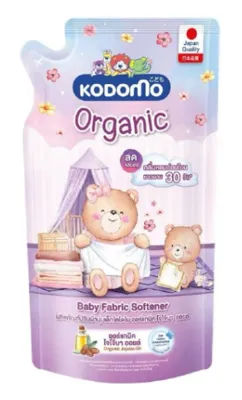
Should I use fabric softener with baby detergent refills?
It is highly recommended to avoid using traditional liquid fabric softeners when washing baby clothes. Fabric softeners work by depositing a thin, chemical film over the fabric fibers to make them feel smoother and reduce static. This chemical coating can drastically reduce the flame-resistant properties of baby sleepwear, which is a critical safety hazard. Furthermore, the chemical residues left behind by softeners are common triggers for skin irritation, eczema flare-ups, and respiratory sensitivities in infants.
This waxy coating also reduces the absorbency of cotton fabrics over time, making items like cloth diapers, bath towels, and bibs much less effective at soaking up moisture. If you want to keep your baby’s clothes soft without relying on harsh chemicals, consider using 100% wool dryer balls in your dryer to naturally fluff the fabrics. Alternatively, you can add a small splash of distilled white vinegar to your washing machine’s fabric softener dispenser during the rinse cycle; the vinegar naturally breaks down mineral deposits and soap residue, leaving clothes soft and completely scent-free once dry.

Community discussion
Share your experience or ask a question. Comments are reviewed before publication.