
Selecting the right laundry detergent for your baby is one of the most important decisions you make for their daily comfort. Because an infant’s skin is significantly thinner and more permeable than adult skin, residues left behind on clothing can easily cause irritation, dryness, or flare-ups. Kodomo is a widely recognized brand in Singapore and across Asia, known for its range of baby care products, including specialized laundry detergents. Understanding exactly what goes into these formulations allows you to make an informed choice tailored to your child’s specific skin needs.
When evaluating any baby detergent, it is essential to look beyond the front-label marketing and examine the actual ingredients. Since formulations can vary by region, batch, and product line, learning how to read the packaging is the most reliable way to ensure the product meets your standards. By understanding the roles of common cleaning agents, preservatives, and additives, you can confidently select a formula that keeps your baby’s clothes clean, soft, and safe against their delicate skin.
How to Read the Ingredient List on Kodomo Detergent
When shopping for baby detergent, the front of the packaging often features appealing marketing terms such as “gentle,” “pure,” or “natural.” While these terms provide a general idea of the product’s intent, the most reliable information is always found on the back or side of the bottle. Look for a section labeled “Ingredients,” “Active Ingredients,” or “Formulation.” This list is typically organized by concentration, with the highest-volume ingredients listed first.
Products mentioned in this guide
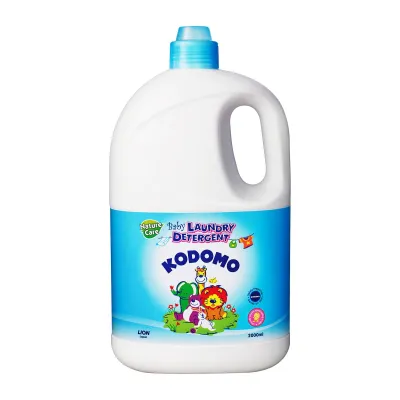
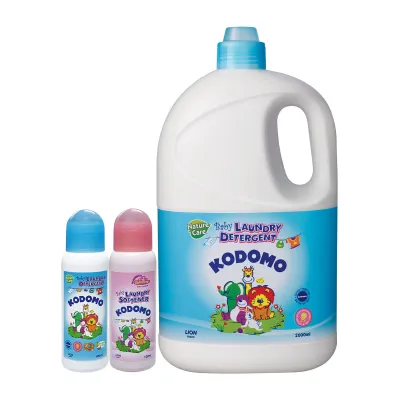
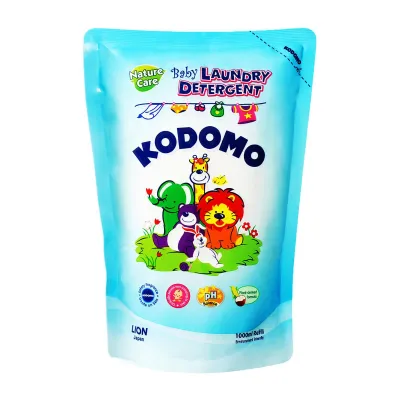
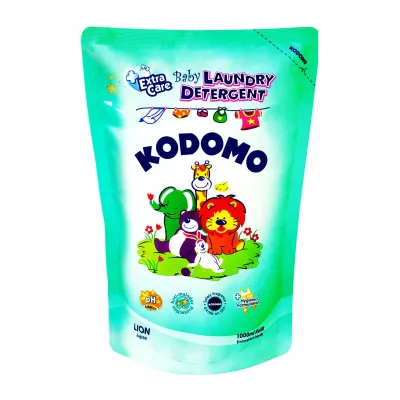
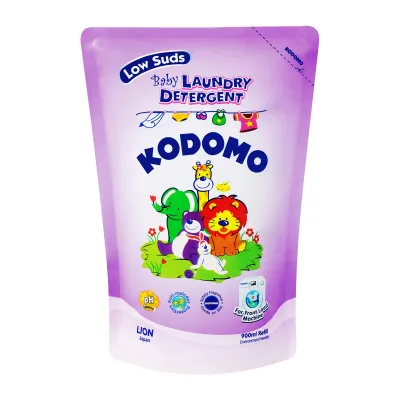
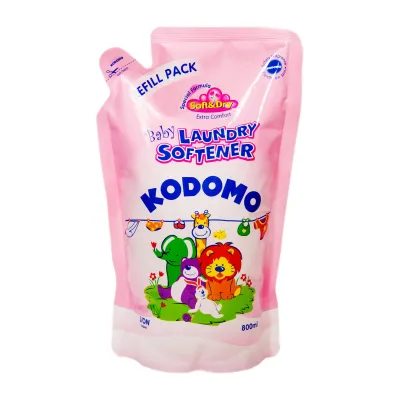
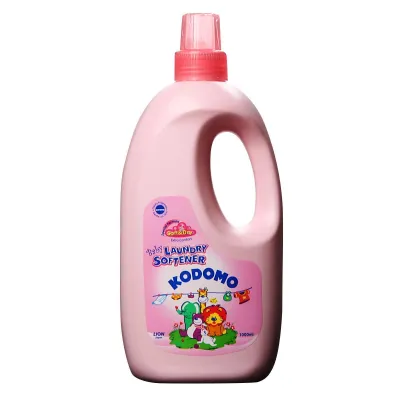
Prices are valid at publication and may change. Please refer to the product page for the latest price.
Reading this list requires distinguishing between standardized chemical names and simplified marketing terms. For example, a label might list “sodium laureth sulfate” or “alkyl polyglucoside” instead of simply saying “plant-derived cleansers.” Standardized names, often following the International Nomenclature of Cosmetic Ingredients (INCI) guidelines, allow you to identify the exact chemical compounds used. If your child has known sensitivities to specific substances, recognizing these standardized names is crucial for avoiding triggers.
In some regions, packaging space constraints mean that manufacturers do not print the complete, detailed chemical breakdown directly on the bottle. Instead, they may list broad categories of ingredients or provide a simplified version. When this occurs, look for manufacturer contact details, a customer service hotline, or a QR code on the label. Reputable brands typically provide comprehensive ingredient disclosure sheets or safety data sheets (SDS) on their official websites to help consumers verify the exact formulation before use.
Additionally, always check the packaging for specific age recommendations, weight ranges, or development-stage warnings. Some formulations are optimized for newborns, while others are designed for older, active toddlers whose clothes accumulate different types of soil. Verifying these manufacturer guidelines ensures you are using the product exactly as intended for your baby’s current developmental stage.
Common Ingredients in Baby Detergents and Their Functions
To evaluate any baby detergent, it helps to understand the primary categories of ingredients that make up these liquid formulas. The most critical components are surfactants, which stand for surface-active agents. These molecules lower the surface tension of water, allowing it to wet fabrics more effectively and penetrate fibers. Once inside the weave, surfactants bind to dirt, body oils, and organic matter, lifting them away from the fabric so they can be rinsed out. Common mild surfactants used in baby products include coco-glucoside, decyl glucoside, or mild synthetic alternatives designed to clean without leaving harsh residues.

Enzymes are biological catalysts that target specific stains. Proteases break down protein-based stains like breast milk and spit-up, while amylases target starches, and lipases break down fats. While enzymes are highly effective at removing stubborn organic messes, some ultra-sensitive baby formulas omit them because enzyme residues can occasionally irritate extremely delicate skin. Check whether a formula is enzymatic or non-enzymatic based on your baby’s skin history.
Preservatives and stabilizers are essential for maintaining the safety and shelf life of liquid detergents. Without them, water-based detergents would quickly breed bacteria, mold, and yeast, posing a health risk. Stabilizers also prevent the liquid from separating under different storage temperatures. When reviewing these ingredients, look for mild, well-tolerated preserving agents and avoid products containing older, high-risk preservatives like formaldehyde-releasers or methylisothiazolinone (MI) if your baby has reactive skin.
Optional additives include fragrances, dyes, and optical brighteners, which are often minimized or excluded from baby-specific formulas. Fragrances and dyes serve purely aesthetic purposes and are common triggers for contact dermatitis in infants. Optical brighteners are synthetic chemicals designed to remain on the fabric to absorb ultraviolet light and make clothes appear whiter. Because these chemicals stay on the fabric and come into direct contact with the skin, many parents prefer baby detergents that omit them entirely.
Evaluating Suitability for Sensitive Baby Skin
When assessing whether a detergent is suitable for your baby, verify front-label claims against the actual ingredient list. Terms like “hypoallergenic” or “dermatologically tested” indicate a lower risk of allergic reactions, but they are not globally standardized. Checking the back label allows you to confirm that the formula lacks added perfumes, synthetic dyes, or harsh chemical brighteners that could compromise your baby’s skin barrier.
Dermatological testing and pediatrician approval labels indicate clinical review, providing an extra layer of reassurance. However, these labels do not guarantee absolute safety for every individual. If your baby has a diagnosed skin condition like eczema, even gentle formulas can sometimes cause mild irritation. Treat these clinical labels as helpful indicators rather than absolute guarantees.
The pH level of a detergent also plays a significant role in skin compatibility. Human skin naturally maintains a slightly acidic pH to protect its barrier. Detergents formulated to match this natural acidity are gentler on the skin and help prevent fabric fibers from becoming stiff or scratchy. Soft, pliable fabrics reduce physical friction, which is a common trigger for infant skin irritation.
If your baby has known skin sensitivities, establish a personal checklist of ingredients to avoid, such as specific synthetic fragrances or strong anionic surfactants. Cross-referencing this checklist with the ingredient list on the bottle helps you confidently determine if the product aligns with your family’s safety standards.
Best Practices for Washing Baby Clothes Safely
Even the gentlest detergent can cause skin irritation if used incorrectly. Always follow the manufacturer’s dosing instructions on the packaging. Excess detergent creates heavy suds that are difficult to rinse out completely, leaving soap trapped within fabric fibers where it can rub against your baby’s skin and cause dryness.
Select a wash cycle that matches the fabric care labels of the garments. Utilizing an extra rinse cycle is highly recommended for baby clothes to ensure every trace of surfactant and soil is thoroughly flushed away. If your washing machine has a dedicated baby care cycle, use it to take advantage of higher water levels and multiple rinses.
Pre-treating stubborn stains is often necessary, but it should be done carefully. Instead of reaching for harsh chemical stain removers, apply a small amount of the baby detergent directly to the damp stain and gently rub the fabric together before washing. This targeted pre-treatment breaks down the stain using the same gentle formulation you trust for the entire garment.
After introducing a new detergent, closely monitor your baby’s skin for signs of irritation like redness, dry patches, or small bumps. Pay close attention to areas where clothing fits snugly, such as the collar, cuffs, and diaper line. If you notice any unusual skin changes, stop using the detergent immediately and consult a professional if irritation persists.
Frequently Asked Questions (FAQ)
Can I use regular adult detergent instead of a baby-specific one?
Regular adult detergents contain stronger surfactants, heavy synthetic fragrances, and optical brighteners designed to tackle heavy dirt and odors. These powerful agents are highly likely to leave irritating residues on delicate infant clothing. Baby-specific formulas are engineered to rinse out of fabrics more easily and minimize potential skin irritants. If you consider switching to a family-wide detergent, choose a mild, fragrance-free, and dye-free formula, and consult a pediatrician if your baby has sensitive skin.
What should I do if my baby develops a rash after washing?
If your baby develops a skin rash and you suspect it is linked to their clothing, stop using the current laundry detergent immediately. Rewash the affected garments using plain, warm water or a different, known-safe detergent, ensuring you run an extra rinse cycle to strip away lingering residue. Monitor the rash closely and consult a pediatrician or qualified healthcare professional for an accurate diagnosis and treatment plan, avoiding self-prescribed topical treatments.

Community discussion
Share your experience or ask a question. Comments are reviewed before publication.