
Quick Answer: Is Kodomo Baby Laundry Detergent Safe?
Selecting a laundry detergent for your infant requires a careful balance between effective cleaning power and skin safety. Delicate infant skin is highly permeable and susceptible to irritation from chemical residues. Baby-specific detergents like Kodomo are formulated to address this vulnerability by utilizing milder ingredients compared to standard adult detergents, making them a popular choice among parents.
However, whether any detergent is completely safe for your baby depends on several individual factors. A product that is perfectly tolerated by one infant might cause mild irritation or flare-ups in another, particularly if the baby has an underlying skin condition such as eczema or a compromised skin barrier. Skin sensitivity is highly individual, and no single product can guarantee absolute safety for every infant.
Additionally, exact ingredient formulations can vary significantly by specific product line and format. The ingredients used in a liquid detergent often differ from those in a powder variant, and manufacturers frequently update their recipes to improve performance or comply with evolving safety standards. Therefore, you should not assume all variants under a single brand name share identical ingredients.
Products mentioned in this guide
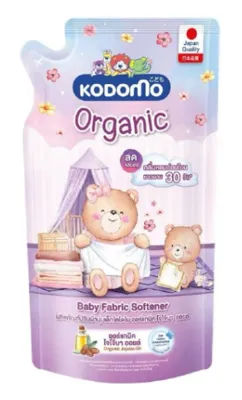
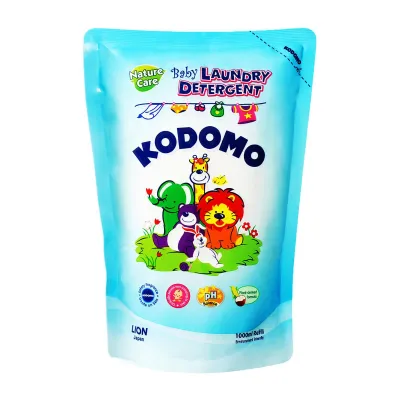
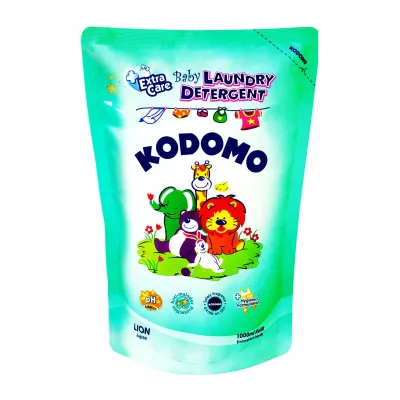
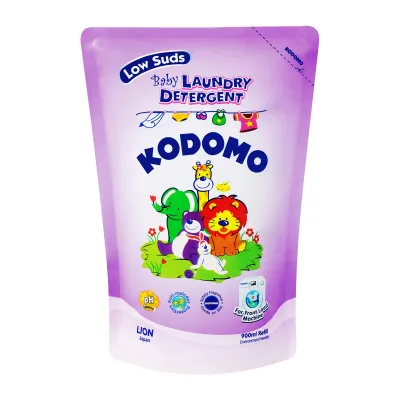
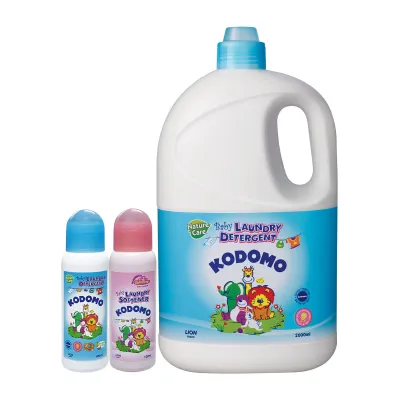
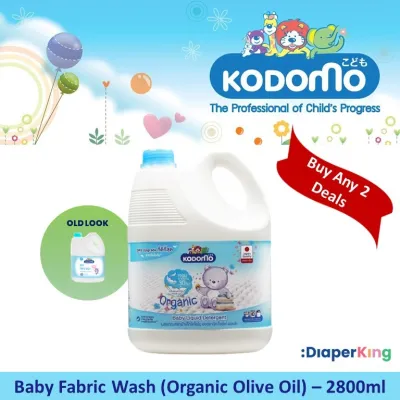
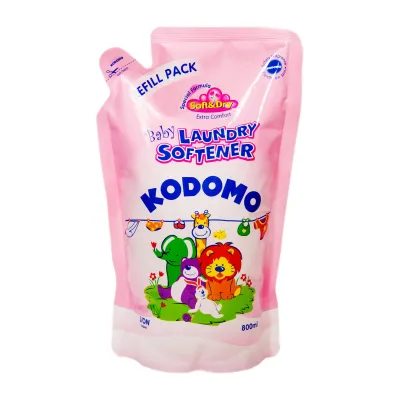
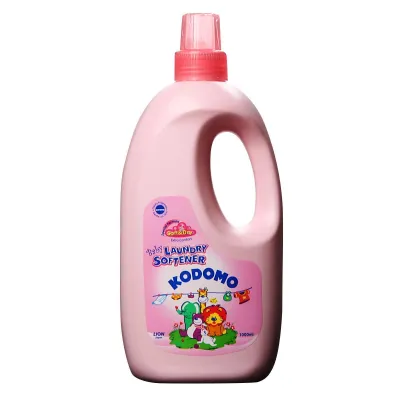
Prices are valid at publication and may change. Please refer to the product page for the latest price.
To ensure the highest level of safety for your baby, the most reliable approach is to examine the physical ingredient label on the specific bottle or box you purchase. Rather than relying solely on front-of-pack marketing claims, verifying the actual chemical composition allows you to make an informed decision tailored to your baby’s unique skin needs.
How to Read the Ingredient List on Kodomo Detergent Labels
On Kodomo packaging, the ingredient list is typically located on the back label or side panel. While it may be printed in small text, identifying and reading this list is the most reliable way to verify what will come into direct contact with your baby’s skin. Taking a few moments to locate this section before purchasing can prevent potential skin issues later.

When examining the label, it is important to understand the difference between marketing claims and regulated ingredient names. Terms like “natural,” “gentle,” or “hypoallergenic” are often used as promotional tools and do not have standardized, strict legal definitions across all consumer products. A product labeled “natural” may still contain synthetic preservatives or fragrances that can trigger sensitive skin.
Instead of focusing on marketing buzzwords, look at the actual chemical or International Nomenclature of Cosmetic Ingredients (INCI) names listed on the back. These standardized names identify the exact substances used in the formula. Understanding these names allows you to pinpoint specific chemical triggers rather than guessing based on vague marketing descriptions.
If you encounter an unfamiliar chemical name on a Kodomo label, do not hesitate to cross-reference it with reliable, independent dermatological databases or consumer safety resources. Looking up an ingredient’s safety profile, function, and known irritation risks empowers you to make objective choices based on scientific consensus rather than brand promotion.
Common Ingredients in Baby Detergents and What to Look For
Baby laundry detergents are formulated to remove organic stains like milk, formula, spit-up, and diaper leaks while remaining gentle on delicate skin. Standard adult detergents often contain strong synthetic chemicals designed for heavy-duty stain removal, which can leave residues that irritate an infant’s thin skin barrier. Understanding the common categories of ingredients helps you evaluate what is safe for your household.
Surfactants (The Cleaning Agents)
Surfactants, or surface-active agents, are the core cleaning components of any laundry detergent. They work by breaking down the surface tension of water, allowing it to penetrate fabric fibers, surround dirt and oils, and suspend them so they can be rinsed away. Without surfactants, water alone cannot effectively remove greasy or organic stains.
Standard household detergents often use strong synthetic surfactants like Sodium Lauryl Sulfate (SLS) or Sodium Laureth Sulfate (SLES). While highly efficient at cutting through grease and creating a rich lather, these chemicals can easily strip the natural lipid barrier from a baby’s delicate skin, leading to dryness, redness, and irritation.
To protect sensitive skin, many dedicated baby-specific brands opt for gentler, plant-derived surfactants. These alternatives, often derived from coconut or glucose (such as coco-glucoside, decyl glucoside, or coco-amidopropyl betaine), clean effectively without causing the same level of skin barrier disruption or moisture loss.
When purchasing Kodomo baby laundry detergent, always check the back label to identify which specific surfactants are utilized in that particular variant. Ensuring the formula uses mild, non-stripping cleaning agents is a crucial step in maintaining your baby’s skin health.
Enzymes, Fragrances, and Preservatives
Enzymes like amylase, protease, and lipase are biological proteins added to target organic stains such as breast milk, formula, and food spills. They break down complex stains into smaller, water-soluble molecules that rinse away easily during the wash cycle. This makes them highly effective for keeping baby clothes looking clean.
Although enzymes are excellent for stain removal, residual enzymes left on clothing fibers can occasionally trigger localized skin irritation. This is particularly true for newborns or infants with highly sensitive, eczema-prone skin, where the friction of the fabric against the skin can exacerbate the irritation.
Fragrances are among the most common causes of contact allergies and skin sensitization in babies. Even mild “baby-fresh” scents or fragrances derived from natural essential oils contain complex compounds that can irritate delicate respiratory tracts and skin surfaces over time.
For newborns, infants with known skin conditions, or families with a history of eczema, pediatricians and dermatologists generally recommend choosing completely fragrance-free detergents. Eliminating unnecessary fragrances is one of the simplest ways to reduce the risk of contact dermatitis.
Because liquid detergents contain water, they require preservatives to prevent the growth of harmful bacteria, mold, and yeast over time. Preservatives are essential to keep the product safe and stable throughout its shelf life, but some options are safer than others.
Some preservatives, such as methylisothiazolinone (MI) and methylchloroisothiazolinone (MCI), are strong sensitizers linked to contact dermatitis. Parents should carefully check the ingredient label to ensure these harsh preservatives are not present in their chosen baby detergent, opting instead for milder, food-grade preservatives.
Optical Brighteners and Dyes
Optical brighteners, also known as fluorescent whitening agents, are chemicals added to detergents to make fabrics appear whiter and brighter. They do not actually clean or remove dirt; instead, they absorb invisible ultraviolet light and emit visible blue light, creating an optical illusion of cleanliness.
To achieve this whitening effect, optical brighteners must remain bound to the fabric fibers even after the rinse cycle is complete. This means the chemical residue remains in constant, direct contact with your baby’s skin, which can lead to friction-induced irritation and allergic reactions.
Artificial dyes and colorants are added solely for aesthetic appeal, giving the detergent a pleasing color in the bottle. These colorants serve no functional cleaning purpose and represent an unnecessary chemical exposure for sensitive infant skin.
Reputable baby detergents typically formulate their products without optical brighteners or artificial dyes to minimize the risk of skin reactions. However, you should always verify this by checking the ingredient list for terms like “colorants,” “dyes,” or “fluorescent brighteners” to ensure they are absent.
Best Practices for Washing Baby Clothes and Cloth Diapers
Using the correct dosage of detergent is essential for maintaining both fabric cleanliness and skin safety. Using more detergent than recommended does not result in cleaner clothes; instead, it leads to an accumulation of soap residue within the fabric fibers that the washing machine cannot easily rinse out. This residue can stiffen fabrics and rub against your baby’s skin, causing irritation.
Configuring your washing machine to run an additional rinse cycle is one of the most effective ways to ensure all traces of detergent, soil, and minerals are thoroughly flushed out of your baby’s garments, muslin swaddles, and bedding. This simple adjustment to your laundry routine significantly reduces the risk of detergent buildup.
Fabric softeners and dryer sheets should be strictly avoided when washing baby laundry. These products work by depositing a thin, waxy layer of chemicals and heavy fragrances over fabric fibers to make them feel softer. This coating significantly reduces the absorbency of fabrics—making it highly problematic for cloth diapers and bath towels—and introduces unnecessary chemical irritants directly to your baby’s skin.
To tackle stubborn organic stains without relying on harsh chemical stain removers or chlorine bleach, pre-treat the stained garments as soon as possible. Soak the items in warm water mixed with a small amount of baby laundry detergent, and gently agitate the fabric by hand before running it through a standard wash cycle.
Singapore’s highly humid climate presents a unique laundry challenge, as damp fabrics can quickly become breeding grounds for mold, mildew, and bacteria. These microorganisms can cause musty odors and severe skin irritation or respiratory issues for your baby if they are allowed to multiply.
To prevent microbial growth, ensure all baby clothes, muslin squares, and cloth diapers are completely dry before folding and storing them. Utilize a clothes dryer on a suitable heat setting or air-dry items in a highly ventilated, sunny area to guarantee no moisture remains trapped in the fabric fibers.
Monitoring Your Baby's Skin: When to Reevaluate Your Detergent
Because an infant’s skin barrier is still developing, it is highly sensitive to environmental triggers. Regularly inspect your baby’s skin for signs of contact dermatitis or detergent sensitivity, which can include unexplained redness, dry or rough patches, small raised bumps, or localized rashes.
Pay close attention to friction zones where clothing fits tightly against the skin, such as around the collar, waistbands, wrists, and thighs. These friction points are where detergent residues trapped in the fabric are most likely to rub against the skin and cause visible irritation.
Before washing your baby’s entire wardrobe with a new detergent, perform a practical patch test. Wash a single, non-invasive item—like a muslin swaddle or a single onesie—with the product, have your baby use or wear the item as usual, and monitor the contact area for 48 to 72 hours for any signs of reaction.
If you suspect your baby’s skin is reacting to the laundry detergent, establish clear safety boundaries by immediately ceasing its use. Wash all of their recently laundered clothing and bedding in plain water or a confirmed safe, fragrance-free alternative to remove any lingering chemical residues from the fibers.
If the skin irritation does not improve within a few days of stopping the detergent, if it worsens, or if your baby exhibits signs of severe discomfort or skin infection, consult a pediatrician or a qualified dermatologist. A professional can provide an accurate diagnosis, identify specific allergens, and recommend a safe, personalized skincare routine.

Community discussion
Share your experience or ask a question. Comments are reviewed before publication.