
When preparing for the arrival of a newborn, selecting the right laundry detergent is a critical decision for parents. Kodomo baby laundry detergent is a highly visible option on supermarket shelves, but determining whether its ingredients are truly safe for a newborn requires looking past the gentle packaging. While Kodomo formulations are specifically designed for infant clothing and are generally safe for newborns, parents must carefully examine the specific ingredients of each variant, as some contain fragrances, surfactants, or preservatives that can trigger reactions in highly sensitive skin.
Understanding the chemical composition of what goes into your washing machine is the first step in protecting your baby’s delicate skin barrier. By learning how to decode the ingredient label, recognizing how these chemicals interact with newborn skin, and practicing safe laundry habits, you can minimize the risk of contact dermatitis and ensure your infant’s clothes are both clean and safe.
How to Read and Understand Kodomo Baby Laundry Ingredients
Navigating the ingredient list on a bottle of Kodomo laundry detergent requires looking past the front-label marketing claims and turning the bottle over to examine the chemical nomenclature. Many consumer products list their ingredients using standardized chemical terms or the International Nomenclature of Cosmetic Ingredients (INCI) system. However, household cleaning products are often permitted to list ingredients in broader categories, such as “anionic surfactants,” “non-ionic surfactants,” or simply “preservatives” and “fragrance.” If the specific chemical names are not fully disclosed on the packaging, parents can often find detailed safety data sheets online or contact the manufacturer directly to verify the exact formulation.
Products mentioned in this guide
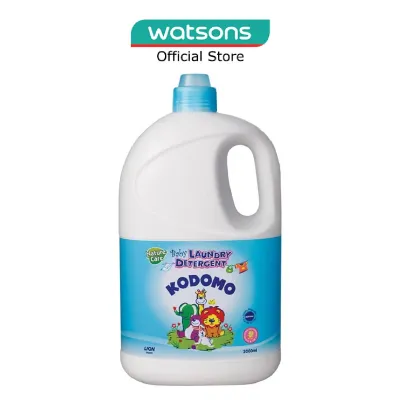
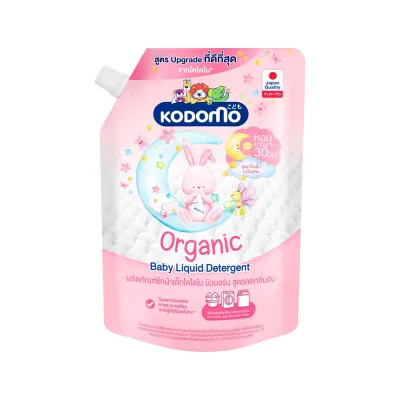
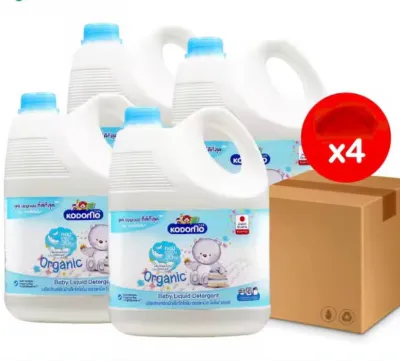
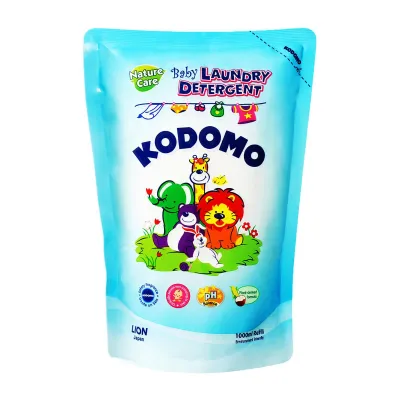
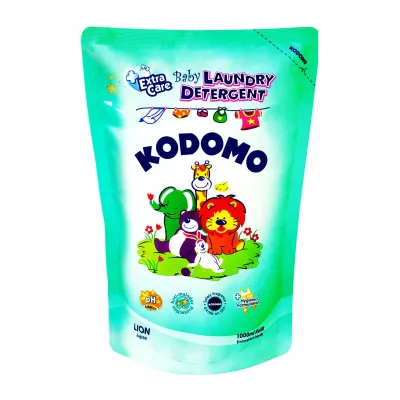
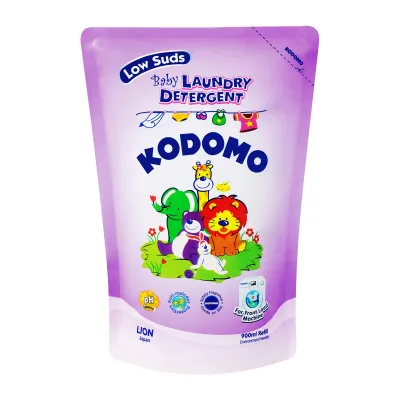
Prices are valid at publication and may change. Please refer to the product page for the latest price.
To understand what is inside the bottle, it helps to break down the ingredients into four primary functional categories:
- Surfactants: These are the primary cleaning agents responsible for lowering the surface tension of water, allowing it to wet fabrics thoroughly and lift away oils, sweat, and dirt.
- Enzymes: These biological catalysts target and break down specific organic stains, such as milk proteins, spit-up, and baby food, allowing them to wash away easily without aggressive scrubbing.
- Preservatives: Because liquid detergents contain a high volume of water, they require preservatives to prevent the growth of harmful bacteria, mold, and yeast over time.
- Fragrances: These are synthetic or natural aromatic compounds added to mask the chemical smell of surfactants and leave a pleasant scent on the clean laundry.
When evaluating these ingredients, parents must distinguish between marketing buzzwords and actual chemical realities. Terms like “natural,” “plant-based,” or “gentle” on the front label do not have strict, standardized legal definitions in the context of laundry detergents. A surfactant derived from coconut oil is still a chemically processed surfactant, and natural botanical extracts can still trigger allergic contact dermatitis in sensitive individuals. Evaluating the actual chemical names on the back label is the only reliable way to assess safety.
How Detergent Ingredients Affect Newborn Skin Safety
To understand why certain detergent ingredients can be problematic, it is essential to look at the physiological differences of newborn skin. An infant’s skin barrier is not fully developed at birth; the stratum corneum, which is the outermost layer of the skin, is significantly thinner and more permeable than that of an adult. This increased permeability means that chemicals remaining on clothing fibers can easily penetrate the skin barrier and enter the body. Furthermore, a newborn’s acid mantle—the slightly acidic film on the skin’s surface that protects against pathogens and environmental irritants—is still developing and can be easily disrupted by harsh chemical exposures.

When harsh surfactants come into contact with this delicate skin barrier, they can strip away the natural lipids and proteins that hold the skin cells together. This stripping action compromises the skin’s integrity, leading to transepidermal water loss, extreme dryness, and localized inflammation. Anionic surfactants like sodium lauryl sulfate (SLS) are highly effective at removing grease, but their strong ionic charge makes them highly irritating to compromised or sensitive skin. Infant detergents should ideally utilize milder, non-ionic surfactants that clean effectively without disrupting the skin’s lipid matrix.
Another critical factor is the pH level of the detergent residue. The natural pH of healthy infant skin is slightly acidic, typically ranging between 5.0 and 5.5. Traditional laundry detergents are often highly alkaline, which can neutralize the skin’s acid mantle and leave it vulnerable to irritation and infection. Safe baby detergents are formulated to be pH-balanced, ensuring that any microscopic residue left on the fabric does not drastically alter the skin’s natural pH upon contact.
Parents frequently rely on labels such as “dermatologically tested,” “hypoallergenic,” or “pediatrician approved” when choosing a detergent. While these terms indicate that the manufacturer has conducted patch testing on human volunteers under controlled conditions and observed a low rate of adverse reactions, they do not guarantee absolute safety. These tests cannot account for every individual infant’s unique skin sensitivities or genetic predispositions to conditions like eczema. Therefore, these labels should be viewed as a starting point rather than a definitive safety guarantee.
Ingredient Checklist: What to Look For and What to Avoid
To help you evaluate a bottle of Kodomo baby laundry detergent or any other brand, use this practical checklist to identify beneficial, skin-safe components and potential chemical irritants.
Gentle Ingredients to Look For
When reviewing the ingredient list, look for mild cleaning agents and supportive compounds that minimize the risk of skin irritation:
- Non-ionic Surfactants: Look for ingredients such as alkyl polyglucosides (including decyl glucoside, lauryl glucoside, or coco-glucoside). These plant-derived surfactants carry no electrical charge, making them exceptionally mild and highly unlikely to bind to or irritate skin proteins.
- Bio-based Enzymes: Enzymes like amylase (which targets starches), protease (which breaks down milk and spit-up proteins), and lipase (which targets fats and oils) are highly beneficial. They allow the detergent to clean stubborn organic stains effectively at lower water temperatures, reducing the need for harsh chemical additives.
- Glycerin: This natural humectant is sometimes added to gentle formulations to help maintain fabric softness without leaving a heavy, waxy residue that could irritate the skin.
Potential Irritants to Check and Avoid
Carefully inspect the label to ensure the formulation does not contain high concentrations of the following sensitizing agents:
- Optical Brighteners: Also known as fluorescent whitening agents, these chemicals absorb ultraviolet light and emit blue light to make fabrics appear whiter. Because they are designed to remain on the fabric fibers after rinsing, they come into direct, continuous contact with your newborn's skin and can cause contact dermatitis.
- Synthetic Fragrances and Dyes: Artificial perfumes (often listed simply as "parfum" or "fragrance") and synthetic colorants (identified by CI numbers) serve no functional cleaning purpose. They are among the most common triggers for allergic skin reactions in infants. For newborns, completely fragrance-free and dye-free formulas are the safest option.
- Harsh Preservatives: Liquid detergents require preservatives to prevent microbial contamination, but some compounds are highly sensitizing. Avoid or limit exposure to isothiazolinones, such as methylisothiazolinone (MIT) and methylchloroisothiazolinone (CMIT), which are known contact allergens.
Safe Washing Practices to Minimize Detergent Residue
Even the mildest baby detergent can cause skin irritation if it is not thoroughly rinsed from clothing fibers. Implementing correct laundry practices is just as important as choosing a safe product, particularly in Singapore’s humid climate where laundry is frequently dried indoors, potentially trapping moisture and chemical residues.
First, always check the care labels on your baby’s clothing and follow the manufacturer’s washing instructions before proceeding. If the garment instructions conflict with the detergent guidelines, prioritize the garment manufacturer’s care instructions to avoid damaging the fabric or reducing its safety properties, such as flame resistance.
It is essential to pre-wash all new clothes, swaddles, blankets, and bedding before they touch your newborn’s skin. New textiles are often treated with chemical sizing agents, starches, and anti-mildew treatments to keep them looking pristine during manufacturing, shipping, and retail storage. A thorough pre-wash removes these manufacturing residues and any dust accumulated during transit.
Correct dosing is another critical factor. Always follow the manufacturer’s dosage guidelines based on your load size and water hardness. In Singapore, many households utilize high-efficiency (HE) front-loading washing machines, which use significantly less water than older top-loading models. Overdosing detergent in these machines leads to excessive suds that cannot be fully rinsed out, leaving a stiff, soapy residue trapped within the fabric fibers that will rub against your baby’s skin.
To ensure all soap molecules and suspended dirt are completely flushed away, always program your washing machine to run an extra rinse cycle. This simple step is highly effective at minimizing chemical residues on infant garments. Additionally, always wash your newborn’s laundry separately from adult clothing. Adult garments are often washed with heavy-duty detergents, fabric softeners, or scent boosters, which can easily transfer residues during a shared wash cycle. Adult clothes may also carry outdoor pollutants, perfumes, or workplace chemicals that should not come into contact with sensitive infant clothing.
Monitoring Your Baby’s Skin and When to See a Doctor
Because newborn skin is highly reactive, parents must regularly monitor their infant for any signs of discomfort or localized skin reactions after introducing a new laundry detergent.
Common signs of detergent-related skin irritation or contact dermatitis include localized redness, dry or rough patches, tiny red bumps, or flaky skin. These symptoms typically appear in areas where clothing fits snugly against the body, such as the collar area, wrists, ankles, thighs, and the diaper line. Unexplained fussiness, rubbing against blankets, or crying during or after being dressed can also indicate that detergent residue is causing skin discomfort.
If you suspect your baby is reacting to their laundry detergent, take immediate action. Stop using the current product and switch to a verified fragrance-free, hypoallergenic alternative. Re-wash all of the baby’s recently laundered clothing, bedding, and swaddles in plain water or with the new fragrance-free detergent to strip away any remaining chemical residue from the previous product.
If the skin irritation does not improve within a few days of switching detergents, or if the rash spreads, becomes intensely red, oozes, cracks, bleeds, or is accompanied by a fever, stop home management immediately. Consult a qualified pediatrician or a pediatric dermatologist in Singapore to obtain an accurate diagnosis and treatment plan. Never apply over-the-counter medicated creams, steroid ointments, or herbal remedies to a newborn’s skin without direct medical supervision.
Frequently Asked Questions (FAQ)
Do I need to wash new baby clothes before the first use?
Yes, washing new baby clothes before the first use is essential. New fabrics are frequently treated with chemical finishes, starches, and anti-mildew agents to protect them during shipping and storage. They also accumulate dust and bacteria from handling. Washing them in a gentle, infant-safe detergent removes these potential irritants, ensuring only clean, soft fabric touches your newborn’s delicate skin.
Is liquid or powder baby detergent better for newborns?
Liquid baby detergent is generally preferred for newborns. Liquid formulations dissolve completely and easily in both warm and cold water, leaving far less residue on fabric fibers. Powder detergents, on the other hand, may not dissolve entirely, especially in shorter wash cycles or cooler water temperatures. This can leave behind tiny, undissolved abrasive particles that trap inside the clothing weave and irritate sensitive skin.
Can I use fabric softener with baby detergent?
It is highly recommended to avoid using standard fabric softeners or dryer sheets on newborn clothing. Fabric softeners work by coating the fabric fibers with a thin layer of chemical lubricating agents and strong synthetic fragrances, which can easily trigger skin irritation or allergic contact dermatitis in infants. Additionally, these coatings can significantly reduce the flame-retardant properties of baby sleepwear and decrease the absorbency of cloth diapers and towels. For natural softness, ensure thorough rinsing, or use wool dryer balls if you use a dryer.

Community discussion
Share your experience or ask a question. Comments are reviewed before publication.