
When preparing for a newborn’s arrival, choosing a laundry detergent is one of the most critical decisions for a parent. A newborn’s skin is significantly thinner and more permeable than adult skin, making it highly susceptible to irritation from harsh chemicals. Kodomo baby laundry detergent, commonly available in 2L bottles and refill packs, is a popular choice among parents looking for a gentler alternative to standard household detergents. To determine if it is truly safe for your newborn, you must look beyond the front-label marketing claims and examine the specific ingredients, checking for potential irritants like strong fragrances, synthetic dyes, and harsh preservatives.
Evaluating baby care products requires a systematic approach to reading labels and understanding chemical formulations. While many brands design their products with infants in mind, individual skin sensitivities vary widely. What works perfectly for one infant might cause mild redness or dryness in another. By learning how to decode the ingredient list on your detergent bottle, you can make an informed decision that protects your baby’s skin barrier while keeping their clothes clean and fresh.
How to Verify the Ingredients in Your Kodomo Detergent
To ensure you know exactly what is coming into contact with your baby’s skin, you should start by locating the ingredient panel on your specific detergent packaging. On a standard 2L bottle or refill pack, this information is typically printed on the back label, often in small print near the usage instructions and safety warnings. Because formulations can change over time or vary depending on the region of manufacture, relying on older online reviews or third-party blog posts is not always reliable.
Products mentioned in this guide
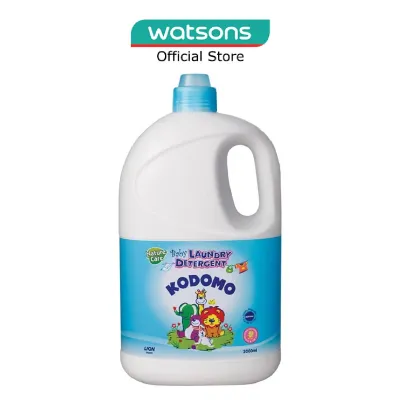
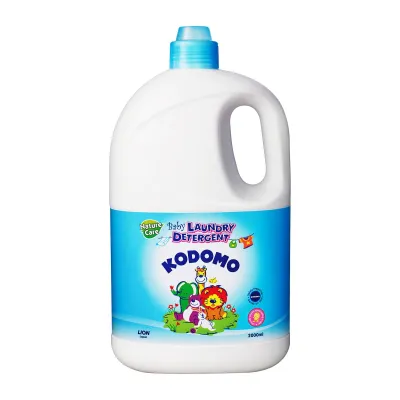
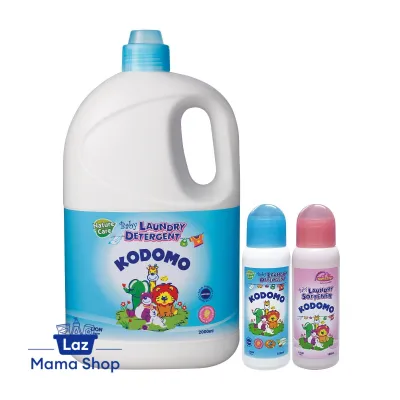
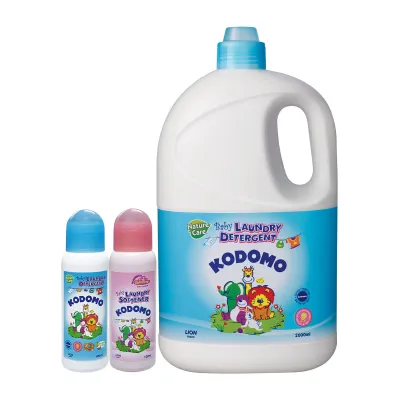
Prices are valid at publication and may change. Please refer to the product page for the latest price.
For the most current and accurate formulation details, you can also check the manufacturer’s official website or contact their local distributor. Manufacturers often provide detailed ingredient disclosures or Safety Data Sheets (SDS) upon request, which list the chemical components and their concentrations. This is particularly useful if your baby has a known allergy and you need to verify the presence of specific chemical compounds that might not be fully detailed on the retail label.
It is important to understand that marketing terms like “baby-safe,” “hypoallergenic,” “gentle,” or “pediatrician-tested” are not strictly standardized or legally defined in many markets. A product labeled as “gentle” may still contain fragrances or preservatives that could trigger a reaction in highly sensitive skin. Therefore, the actual ingredient list on the back of the bottle remains your primary source of truth when assessing suitability for a newborn.
Decoding Common Baby Laundry Detergent Ingredients
Understanding the typical categories of ingredients found in baby detergents allows you to evaluate the specific components listed on your Kodomo label. Most liquid detergents are formulated with a combination of water, cleaning agents, stabilizers, and additives designed to preserve the product and provide a pleasant scent.

Surfactants and Cleaning Agents
Surfactants, or surface-active agents, are the primary cleaning ingredients in any detergent. Their main function is to break the surface tension of water, allowing it to penetrate fabrics and lift away organic matter like milk, spit-up, and food stains. These agents typically consist of anionic surfactants, which are highly effective at removing oily soils, and non-ionic surfactants, which excel at breaking down greasy residues and work well in various water temperatures.
In baby-specific formulations, manufacturers often select milder, plant-derived surfactants instead of the harsher synthetic surfactants found in standard adult detergents. Plant-derived options, such as those sourced from coconut or palm oil, tend to be gentler on the skin barrier while still providing sufficient cleaning power. These ingredients are less likely to leave harsh chemical residues on the fabric fibers after washing.
When reviewing your detergent label, you can identify these cleaning agents by looking for common chemical names. Look for terms such as sodium laureth sulfate (SLES), alkyl polyglucosides (APG), or coco-glucoside. While some of these ingredients are widely accepted as gentle, parents of newborns with extremely sensitive skin or eczema may want to monitor how their baby’s skin reacts to different surfactant types.
Fragrances, Dyes, and Preservatives
Fragrances and dyes are common additives in laundry products, but they are also among the most frequent culprits behind skin irritation and allergic contact dermatitis in infants. There is a significant difference between naturally derived scents, synthetic fragrances, and products labeled as “fragrance-free.” Synthetic fragrances are complex chemical mixtures that can linger on clothing fibers long after the wash cycle is complete, potentially irritating a newborn’s delicate respiratory system and skin.
Dyes are purely aesthetic additives used to give liquid detergents an appealing color, such as light blue or pink. Because dyes serve no functional purpose in cleaning clothes, they are generally unnecessary and are often excluded from premium baby detergents. You can spot these on the ingredient list by looking for color index numbers, typically formatted as “CI” followed by a five-digit number, or names like “Blue 1” or “Red 40.”
Preservatives are essential in liquid detergents to prevent the growth of bacteria, mold, and yeast, especially when products are stored in warm, humid environments like laundry areas or bathrooms. However, some preservatives can be irritating to sensitive skin. When checking your label, look for low-risk preservatives and ensure the product does not contain formaldehyde-releasing agents or harsh parabens, which are generally avoided in modern baby care formulations.
Enzymes and Brightening Additives
Enzymes are specialized proteins added to detergents to target and break down specific types of stains. For example, protease enzymes target protein-based stains like breast milk, formula, and blood, while amylase enzymes break down starch-based stains from baby food. While enzymes are highly effective at stain removal, any enzyme residue left on clothing can potentially cause mild skin irritation if the fabric rubs against a newborn’s sensitive skin.
Optical brighteners are synthetic chemicals added to many commercial detergents to make fabrics appear whiter and brighter. They achieve this by absorbing ultraviolet light and emitting blue light, masking the natural yellowing of fabrics over time. Unlike cleaning agents, optical brighteners are designed to remain on the fabric fibers after rinsing, which increases the likelihood of prolonged skin contact and potential irritation for a newborn.
Because of this risk, optical brighteners are often excluded from high-quality baby detergents. When evaluating your detergent, check the label to ensure it is free from these brightening agents. If the product does contain enzymes, you can minimize the risk of skin irritation by ensuring your washing machine performs a thorough rinse cycle to remove any lingering protein residues from the clothing fibers.
Is It Safe for Your Newborn? A Practical Assessment
Determining whether a specific detergent is safe for your newborn involves a practical, step-by-step assessment of how your baby’s skin responds to the washed fabrics. Because every infant’s skin chemistry is unique, a product that is perfectly safe for one baby might cause a mild reaction in another.
After washing your baby’s clothes with the detergent, closely observe their skin for any signs of contact dermatitis. Look for localized redness, dry or rough patches, small bumps, or signs of itching and discomfort, particularly in areas where clothing fits snugly, such as around the collar, cuffs, and diaper line. These symptoms often appear within a few hours to a couple of days after the baby wears the freshly washed garments.
To minimize the risk of a widespread skin reaction, you can conduct a simple fabric patch test before washing your baby’s entire wardrobe. Wash just one or two small items, such as a pair of socks or a washcloth, using the detergent. Have your baby wear or use these items for a day while monitoring the contact area for any signs of irritation. If no redness or dryness occurs within 48 hours, the detergent is likely suitable for broader use.
If you notice any signs of skin irritation, you should immediately pause use of the detergent. Wash the affected clothing again using plain water or a strictly fragrance-free, sensitive-skin alternative to remove any remaining residue. If the skin irritation persists, spreads, or causes your baby significant discomfort, consult a pediatrician or a qualified healthcare professional for guidance.
Laundry Habits to Protect Sensitive Newborn Skin
Even the gentlest baby detergent can cause skin irritation if it is not used correctly. Adopting proper laundry habits is just as important as choosing the right product when it comes to protecting your newborn’s delicate skin barrier.
First, always adhere strictly to the manufacturer’s dosage instructions printed on the 2L bottle or refill pack. Using too much detergent does not make clothes cleaner; instead, it creates excess suds that are difficult to rinse out, leaving a soapy residue trapped within the fabric fibers. Use the measuring cap provided to ensure you are using the correct amount for your load size.
Second, utilize the extra rinse cycle option on your washing machine. An additional rinse helps ensure that all surfactants, fragrances, and cleaning agents are thoroughly flushed out of the fabrics. This is especially important for newborn laundry, where even trace amounts of detergent residue can trigger skin sensitivity over time.
Finally, avoid mixing your baby’s laundry with heavily soiled adult clothing, and do not use fabric softeners or dryer sheets. Fabric softeners work by leaving a thin chemical coating on fabric fibers to make them feel softer, but this coating can trap detergent residues, reduce the absorbency of cotton diapers and towels, and introduce unnecessary synthetic fragrances to your baby’s clothing. Keep baby items separate and wash them in dedicated loads to maintain the highest level of safety.
Frequently Asked Questions (FAQ)
Can I use Kodomo baby detergent for the whole family's laundry?
Yes, you can safely use baby detergent for the entire family’s laundry, which can simplify your household chore routine. However, because baby detergents are formulated to be mild and gentle, they may struggle to remove heavy adult soils, deep grease stains, or strong sweat odors from athletic wear. Additionally, baby detergents packaged in 2L refill packs often cost more per wash load than standard family-sized detergents, so you should evaluate the cost-effectiveness of using it for all household laundry.
Do I need to wash new baby clothes before the first use?
Yes, it is highly recommended to wash all new baby clothes, blankets, and fabric toys before their first use. New textiles often carry chemical residues from the manufacturing process, such as sizing agents to keep them looking crisp, as well as dust, dirt, and contaminants from shipping and handling. Washing them first with a gentle baby detergent removes these potential irritants and helps soften the fabric, preventing mechanical friction against your newborn’s delicate skin.

Community discussion
Share your experience or ask a question. Comments are reviewed before publication.