
When preparing for a day out with children in Singapore, managing wet swimsuits, soiled preschool clothes, or damp towels is a constant challenge. The tropical climate and frequent outdoor water play make a reliable kids wet bag an essential accessory for any parent’s diaper bag. However, with dozens of brands available across local baby boutiques and online marketplaces, choosing the right one requires looking beyond attractive prints.
To make an informed decision, parents must evaluate wet bags based on three core technical dimensions: usable capacity, lining materials, and practical hardware features. Because specific brand performance can vary, understanding how to read product labels and inspect construction details is the most reliable way to find a bag that prevents leaks and contains odors. This guide provides a comprehensive framework to help you compare options and select the ideal wet bag for your family’s daily routine.
Defining Your Capacity Needs: Compact vs. High-Volume Options
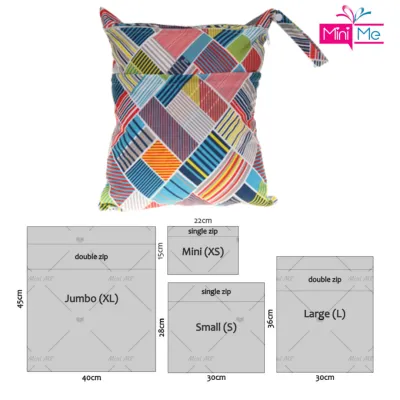
Selecting the right wet bag size depends heavily on your child’s age, daily activities, and how long you plan to be away from home. Wet bags generally fall into three size categories: compact, medium, and large. Understanding the practical limits of each category prevents the frustration of trying to stuff a damp towel into a bag that is too small, or carrying an unnecessarily bulky bag for a quick trip.
Products mentioned in this guide
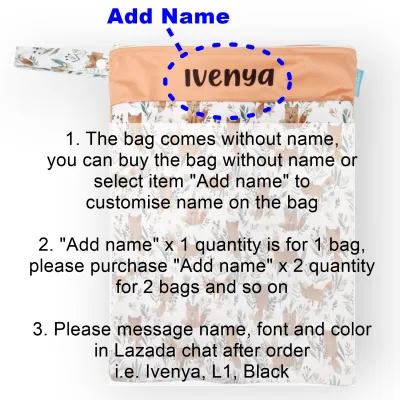
![[SG Seller] Custom Name Wet Bag | Waterproof Baby Diaper Bag | Kids Organiser Bag | Childcare Bag](https://img.lazcdn.com/g/p/683c3fe06ddbf1062d0e5e6565e93504.jpg_400x400q80.jpg_.webp)
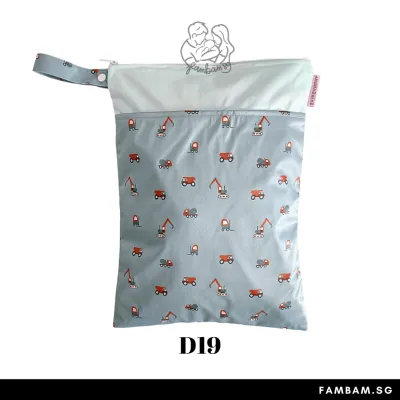
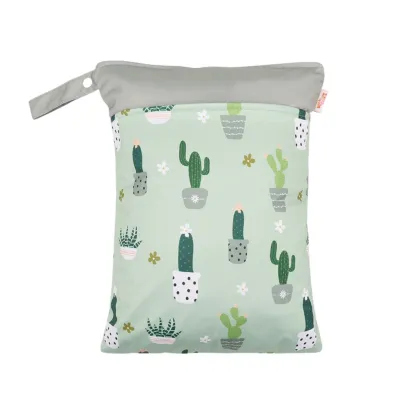
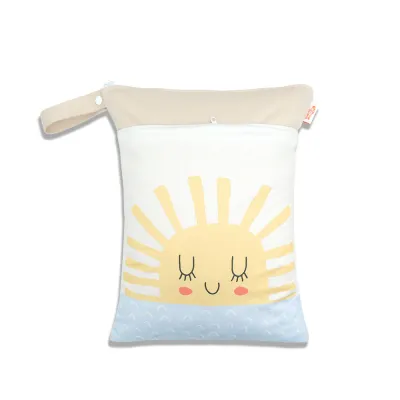
![[SG Instock] Personalized Wet Bags customised with name for Preschool Gym Swimming Baby Diaper Bag](https://img.lazcdn.com/g/p/fd248e80ba99edfe3290d80b493a9f78.jpg_400x400q80.jpg_.webp)
Prices are valid at publication and may change. Please refer to the product page for the latest price.
Compact wet bags, typically measuring around 20 by 20 centimeters, are designed for short outings. They generally hold one to two light toddler outfits or a single infant swimsuit. These are excellent for keeping in a preschool bag for minor accidents or storing damp washcloths. Because of their small footprint, they slip easily into a handbag or a compact stroller organizer.
Medium wet bags, often averaging 30 by 30 centimeters, serve as the standard utility size for most parents. A medium bag can typically accommodate three to four cloth diapers, or two full changes of clothes. This size is highly versatile, making it the preferred choice for daycare daily changes, half-day trips to indoor playgrounds, or routine visits to the pediatrician.
Large wet bags, which can exceed 40 by 40 centimeters, are built for high-volume needs. These are essential for full-day family outings, beach trips, swim school sessions, or families managing cloth diapers. A high-volume bag can hold several heavy, wet bath towels alongside soiled clothing.
When comparing capacities online, verify the actual usable internal space rather than relying solely on external dimensions. Thick waterproof linings, double-stitched seams, and heavy-duty zipper tracks can significantly reduce the internal volume. Always check the manufacturer’s product description for a stated item count or a liter capacity rating to gauge whether the bag can truly accommodate your specific gear.
Evaluating Material Quality and Odor Containment
The primary function of a wet bag is to contain moisture and odors, which depends entirely on the quality of its waterproof lining and seam construction. In Singapore’s warm and humid environment, poor-quality materials can quickly lead to unpleasant odors, mildew growth, and moisture seeping onto other items. When comparing brands, pay close attention to the specific materials listed on the product label.

The most common waterproof lining materials are Thermoplastic Polyurethane (TPU) and Polyethylene Vinyl Acetate (PEVA). TPU is a popular choice for high-quality wet bags because it is thermally bonded to the outer fabric layer without harsh chemical solvents. This process results in a soft, highly flexible lining that can withstand repeated folding and machine washing without cracking. TPU linings are excellent at containing moisture while remaining breathable enough to prevent extreme condensation inside the bag.
PEVA is a vinyl-based material often used in stiffer, budget-friendly wet bags. While PEVA is highly waterproof and easy to wipe clean, it tends to be stiffer than TPU. Over time, repeated folding and machine washing can cause PEVA linings to crease, crack, and compromise the bag’s waterproof integrity. If you plan to wash your wet bag frequently in a washing machine, TPU is generally the more durable option.
Beyond the lining material, the method used to join the fabric panels is critical for leak prevention. Standard stitched seams create tiny needle holes along the edges of the bag. If left untreated, moisture from wet items can slowly wick through the thread, causing dampness to transfer to the outside. High-performance wet bags feature heat-sealed or taped seams, where a waterproof tape is applied over the stitched seams using heat. This process seals the needle holes completely, preventing liquid from escaping.
Finally, verify the manufacturer’s care instructions regarding washing and drying temperatures. Many waterproof linings are sensitive to high heat. Washing a wet bag in hot water or drying it on a high-heat setting can cause the waterproof laminate to separate from the outer fabric—a process known as delamination. To preserve the waterproof barrier, look for bags that specify machine washability on a cool cycle and allow for air drying.
Comparing Practical Features for Daily Use
While capacity and materials form the foundation of a good wet bag, practical design features determine how convenient the bag is to use during busy outings. Small details in hardware and layout can make a significant difference when you are trying to manage a squirming toddler while handling soiled clothing.
Strap configurations are a key feature to evaluate. Many wet bags include a top or side strap equipped with a heavy-duty snap. This snap handle allows you to loop the bag around a stroller handlebar or the strap of your diaper bag, keeping soiled items isolated outside your clean storage areas. Some larger bags feature adjustable shoulder straps, which are highly convenient for carrying heavy swim gear directly to and from the pool without needing an extra tote bag.
Zipper quality and placement also play a vital role in the bag’s overall performance. Look for brands that use durable, smooth-gliding zippers with water-resistant tracks. A water-resistant zipper features a rubberized coating over the zipper teeth, which prevents moisture and odors from escaping. Double zippers are another excellent feature, allowing you to open the bag from either end for quick access.
Dual-compartment designs, often marketed as ‘wet/dry’ bags, offer exceptional utility for parents on the go. These bags feature two separate pockets: a waterproof compartment for wet or soiled items, and a dry compartment for clean clothes. This dual-pocket layout allows you to carry everything your child needs for a change of clothes in a single package, eliminating the need to carry separate bags. When evaluating these, ensure that the barrier between the two pockets is fully waterproof to prevent moisture transfer.
Building Your Shortlist: A Decision Framework
To help you narrow down the options available in Singapore’s retail stores and online marketplaces, it is helpful to match specific wet bag specifications to your family’s typical daily routines. Budgeting for a quality wet bag generally ranges from S$15 to S$30, depending on the size, lining material, and brand features.
The following comparison table outlines how different wet bag configurations align with common parenting scenarios:
| Bag Type | Typical Capacity | Best Use Case | Key Feature to Verify |
|---|---|---|---|
| Compact Single-Pocket | 1 to 2 outfits (approx. 1 Liter) | Quick errands, preschool spare clothes, storing damp wipes | Snap handle, TPU lining, machine-washable care label |
| Medium Dual-Compartment | 3 to 4 outfits (approx. 3 Liters) | Daycare daily changes, routine outings, swim lessons | Water-resistant zipper, separate wet/dry pockets |
| Extra-Large / Travel | 5+ outfits or towels (5+ Liters) | Full-day travel, beach trips, cloth diapering | Heat-sealed seams, adjustable shoulder strap, heavy-duty zippers |
When building your shortlist, apply this simple decision framework:
- Choose a Compact Single-Pocket bag if your primary need is a lightweight, low-profile solution for emergency clothes changes at preschool or quick trips to the local market.
- Choose a Medium Dual-Compartment bag if you want an all-in-one daily utility bag that keeps clean and dirty items organized together without cross-contamination.
- Choose an Extra-Large / Travel bag if you frequently visit the pool or beach, manage cloth diapering full-time, or need to carry bulky wet gear for multiple children.
Before making your final purchase from an online marketplace or an official brand store, always verify the care label instructions to ensure they align with your laundry routine. Additionally, check the retailer’s return policy or warranty terms to see if they cover manufacturing defects, such as broken zippers or premature lining delamination, ensuring you receive a durable product that lasts. Finally, always verify the manufacturer’s age recommendations and safety warnings, particularly regarding long straps or drawstrings, to ensure safe use around infants and toddlers.
Frequently Asked Questions (FAQ)
How often should I wash a kids wet bag to prevent mold?
You should wash your kids wet bag after every use involving damp, wet, or soiled items. Leaving wet clothes or diapers inside a sealed bag for extended periods creates a warm, humid environment that encourages mold, mildew, and bacteria growth. If you only use the bag to carry dry items, a weekly wash is typically sufficient. When washing, turn the bag completely inside out to ensure the waterproof lining is thoroughly cleaned. Always air dry the bag by hanging it in a well-ventilated area away from direct, intense sunlight, which can degrade the waterproof laminate over time.
Can I use a wet bag for storing dry snacks or toys?
You can use a wet bag for storing dry snacks or toys, but only if the bag is explicitly certified as food-safe by the manufacturer. Food-safe bags must be free from harmful chemicals such as BPA, PVC, lead, and phthalates. If you plan to repurpose a wet bag for snacks, ensure it has been thoroughly washed and sanitized beforehand. To prevent cross-contamination, never use the same wet bag for food or toys if it is also regularly used to store soiled diapers or dirty clothes, even if it is washed between uses.
What should I do if the waterproof lining starts peeling?
If the waterproof lining of your wet bag starts peeling, cracking, or feels excessively sticky, the material has begun to degrade. This process, known as delamination, means the waterproof barrier is no longer intact. Once this occurs, the bag will lose its ability to contain moisture and odors, and it may begin to leak onto other items in your diaper bag. Additionally, cracked linings can harbor bacteria in the crevices. When you notice these signs of wear, you should replace the wet bag immediately to maintain proper hygiene and protect your belongings.

Community discussion
Share your experience or ask a question. Comments are reviewed before publication.