
When navigating the busy landscape of parenting in Singapore, managing damp clothes, soiled diapers, and wet swimwear is a daily reality. While almost every wet bag brand on the market claims complete waterproofing, experienced parents know that real-world performance varies significantly. Finding the right bag requires looking past marketing buzzwords and examining the physical construction, material science, and capacity limits of each product.
The optimal choice for your family depends on matching specific waterproofing mechanisms and capacity sizes to your daily childcare, swimming lessons, and travel routines. By understanding how materials behave under humid tropical conditions and how different seams hold up to washing, you can make an informed purchase that prevents messy leaks in your diaper bag. This guide breaks down the essential technical dimensions and capacity considerations to help you evaluate the popular options available in Singapore.
Core Dimensions for Comparing Wet Bag Waterproofing
To accurately assess the waterproofing quality of any wet bag, you must look closely at the materials used for the inner lining. The two most common waterproof materials are Polyurethane Laminate (PUL) and Thermoplastic Polyurethane (TPU). PUL is a polyester or cotton fabric chemically bonded to a thin plastic layer, creating a highly durable and flexible barrier. In Singapore’s warm and humid climate, PUL is highly favored because it resists cracking and peeling even when subjected to frequent washing and high humidity. TPU uses a heat-bonding process that is often considered more environmentally friendly. TPU is exceptionally soft and pliable, making it easy to fold and pack, though it can sometimes be more sensitive to high heat during washing and drying compared to PUL. When shopping, always check the product label or manufacturer’s specifications to verify which laminate is used.
Products mentioned in this guide
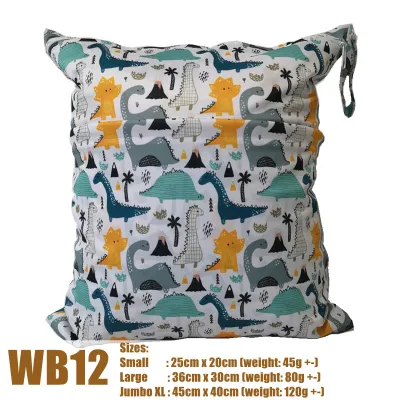
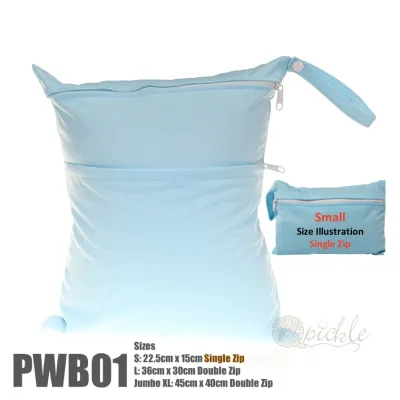
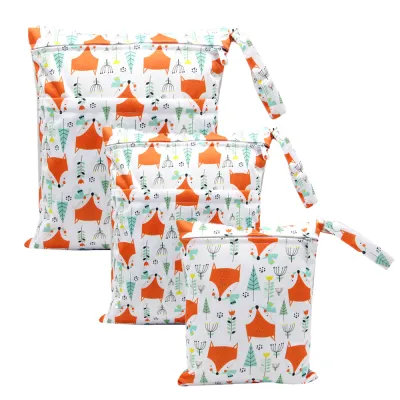
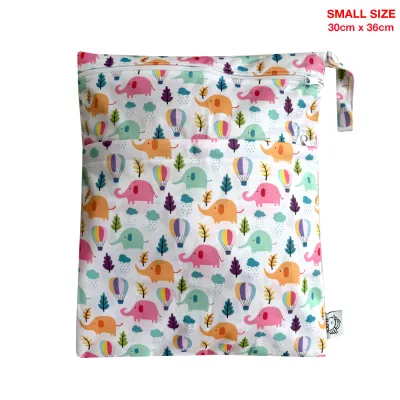
Prices are valid at publication and may change. Please refer to the product page for the latest price.
Seam construction is the most common failure point for waterproofing, yet it is often overlooked. When a sewing machine needle pierces waterproof fabric, it leaves behind tiny holes. Under pressure—such as when a wet swimsuit is squeezed inside a diaper bag—water can easily seep through these holes. To prevent this, premium wet bags use heat-sealed seams, where the laminate layers are melted together to form a continuous, seamless barrier. Other brands use seam tape, which is applied over the stitched seams using heat to seal the needle holes. If a bag has simple, untreated stitched seams, it is more suitable for damp items rather than soaking wet ones.
Zippers and closures are critical for containing both moisture and odors during transit. A standard nylon zipper will resist minor splashes but can let liquid seep through if the bag is compressed or tipped over in your diaper bag. High-performance wet bags often feature water-resistant zippers with a rubberized coating or a protective fabric flap that folds over the zipper track. This flap acts as a physical barrier, preventing dampness from transferring to other items in your main bag. Some brands also include a zipper garage—a small fabric pocket at the end of the zipper track where the zipper pull tucks in—to prevent any moisture from leaking out of the tiny gap at the end of the zipper.
Matching Wet Bag Capacity to Your Daily Routine
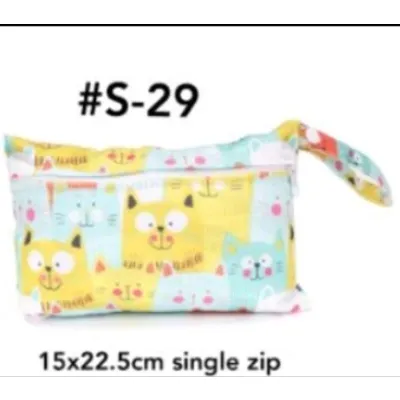
Selecting the right wet bag capacity is essential for ensuring it fits seamlessly into your daily routine without adding unnecessary bulk. Small or mini wet bags are typically designed for quick errands, single diaper changes, or storing small soiled items. These compact bags are ideal for keeping small essentials like pacifiers, reusable breast pads, or dirty cutlery isolated and hygienic. Because of their small footprint, they slip effortlessly into a small purse, stroller organizer, or even a coat pocket.

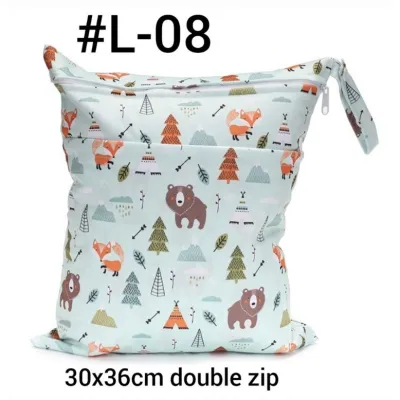
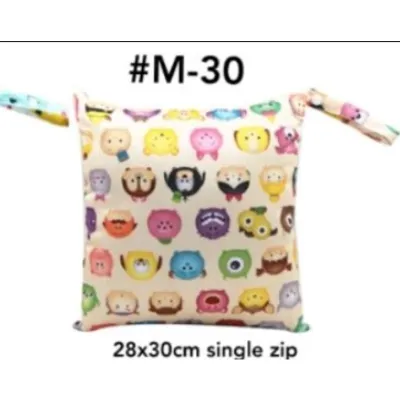
Medium or standard wet bags are the versatile workhorses of the parenting world. These bags are well-sized for full-day outings, daycare drop-offs, or daily diaper bag integration. A standard medium bag can comfortably accommodate several cloth diapers, a full change of toddler clothes, and a pack of wipes. In Singapore, infant care centres and playgroups often require parents to provide a medium wet bag daily to send home soiled clothes, making this size an indispensable part of your childcare toolkit.
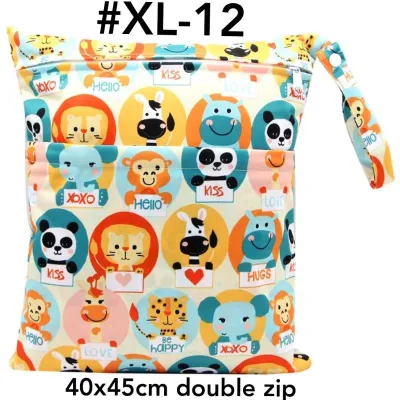
Large or travel wet bags are intended for overnight trips, swimming lessons, or multi-child households. These spacious bags can handle multiple wet towels, heavy swimwear, or several days’ worth of soiled clothing. When your child finishes swimming at a public pool or beach, their dripping gear can easily weigh down a standard bag and cause leaks. A large, high-quality wet bag ensures that your dry clothes, towels, and electronics in the same travel bag remain completely dry. Many large bags feature double straps or hanging loops, allowing you to hang them from a bathroom door, stroller handlebar, or changing table.
| Bag Size | Approximate Dimensions | Estimated Capacity | Primary Use Case |
|---|---|---|---|
| Small / Mini | 15×20 cm to 20×25 cm | 1-2 diapers or 1 infant outfit | Quick errands, pacifiers, breast pump parts |
| Medium / Standard | 30×30 cm to 30×40 cm | 4-6 cloth diapers or 2 toddler outfits | Full-day outings, daycare, daily diaper bag |
| Large / Travel | 40×50 cm to 40×70 cm | 8-10+ diapers or 2 wet beach towels | Swimming lessons, weekend trips, multi-child use |
Evaluating Wet Bag Brands in the Singapore Market
When evaluating the wide variety of wet bag brands available through local retailers and online marketplaces, it is important to establish a structured framework for comparison. Do not rely solely on aesthetic designs or prints; instead, cross-reference manufacturer specifications with verified user reviews. Pay close attention to feedback regarding long-term waterproofing durability after multiple wash cycles. In Singapore’s humid climate, mold and mildew can develop quickly if a bag does not dry efficiently, so look for reviews that mention drying times and fabric breathability.
Practical design features can significantly enhance daily usability. Dual-pocket wet bags are highly versatile, featuring one dry compartment for clean clothes and a separate waterproof compartment for soiled items. This eliminates the need to carry two separate bags and keeps your diaper bag organized. Snap handles or adjustable loops allow you to secure the bag to stroller frames, towel racks, or diaper bag straps, keeping wet items isolated and easily accessible.
Washability, maintenance requirements, and warranty terms are crucial for assessing the long-term value of your investment. Some laminates degrade quickly when exposed to high heat or specific detergents, while others are robust enough to handle regular machine washing and low-heat tumble drying. Check the manufacturer’s warranty terms; brands that offer clear care guidelines and stand behind their waterproof lining typically provide better long-term value, even if the upfront cost is slightly higher.
Making Your Final Decision: Which Wet Bag Fits Your Needs?
To choose the right wet bag, consider your typical daily scenarios, maintenance preferences, and budget.
Choose a compact, single-layer bag if your primary need is quick trips with minimal leak risks, such as carrying a spare set of dry clothes or storing lightly damp bibs and wipes. These lightweight options are highly portable, dry quickly, and are typically the most budget-friendly choice for daily errands.
Choose a large, dual-pocket heat-sealed bag if you frequently travel overnight, attend weekly swimming lessons, or manage heavy soiling for multiple children. The dual-pocket design keeps clean and dirty items strictly separated, while the heat-sealed seams ensure that pooled water from wet swimwear cannot escape into your main travel bag.
Neither may fit if the available options lack clear material disclosures, fail to specify their seam construction, or conflict with your washing machine specifications. If a brand does not clearly state whether it uses PUL or TPU, or if it prohibits machine washing entirely, it may not withstand the rigorous cleaning required for daily childcare.
Verify first if the brand requires specific detergents, drying conditions, or has strict warranty limitations in your region. Some international brands may not honor warranties for products purchased through unauthorized third-party sellers on local ecommerce platforms, so always verify the seller’s status and read the care instructions before making your final purchase.
Frequently Asked Questions (FAQ)
Can I wash all wet bags in the washing machine?
While many wet bags are designed for machine washing, you must always check the manufacturer’s care label first. The waterproof lining (whether PUL or TPU) can delaminate or crack if exposed to high water temperatures, intense spin cycles, or high heat in the dryer. To preserve the waterproof barrier, wash on a gentle cycle with cold or lukewarm water, use a mild detergent, and avoid fabric softeners or bleach. Line drying in the shade is generally the most reliable method to extend the lifespan of the bag.
Do wet bags completely eliminate odors?
Wet bags are highly effective at containing odors due to their sealed seams and water-resistant zippers, but they do not completely eliminate or neutralize them. Because the bag seals moisture inside, it creates a humid environment where bacteria can multiply, eventually causing smells to build up. To minimize odors, avoid leaving soiled items sealed inside for extended periods. Empty the bag as soon as you return home, wash it regularly, and allow it to air out completely before its next use.
Community discussion
Share your experience or ask a question. Comments are reviewed before publication.