
Setting up a nursery is an exciting milestone, but selecting furniture requires looking far beyond aesthetics. Infants and toddlers quickly transition from stationary observers to active explorers who pull, climb, and lean on everything within reach. A kids storage cabinet might seem harmless, but without the right safety features, it can pose serious physical risks. To protect your child, you must systematically evaluate structural stability, material composition, physical design, and hardware safety before making a purchase.
Structural Stability and Tip-Over Prevention
When a child climbs or hangs on a cabinet, their body weight shifts the unit’s center of gravity forward, creating a severe tip-over hazard. To prevent these dangerous accidents, you must verify that the kids storage cabinet includes a dedicated anti-tip kit and robust wall-anchoring hardware in its product specifications. Never rely solely on freestanding stability, regardless of how heavy or sturdy the cabinet feels in a showroom. Even a solid wood cabinet with a wide base can tip forward when multiple drawers are fully extended and subjected to downward force.
When evaluating physical dimensions, look for designs with a wider base and a lower center of gravity. Tall, narrow units are more prone to tipping than short, deep credenzas, but even low-profile units require anchoring if they feature drawers or doors. The critical difference between freestanding stability and anchored stability is that freestanding units are only stable under static, adult-use conditions. Once a dynamic load—such as a climbing toddler—is applied, only a secure wall anchor can reliably prevent the unit from falling.
Products mentioned in this guide
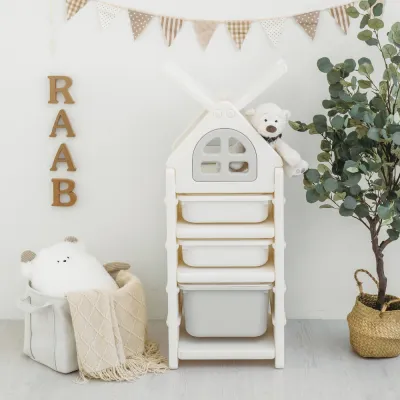
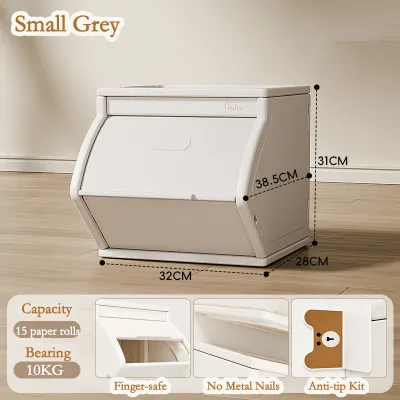
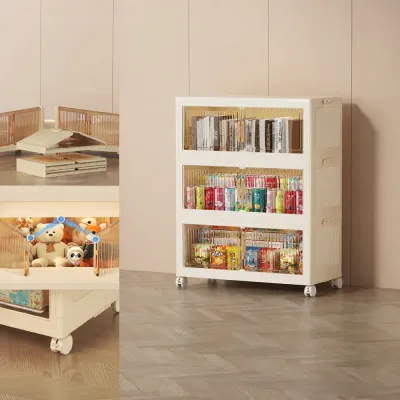
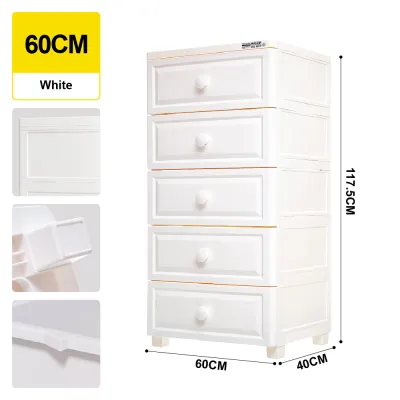
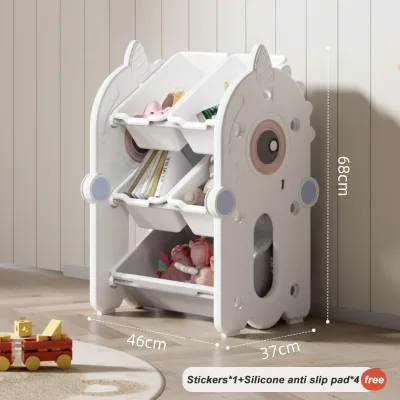
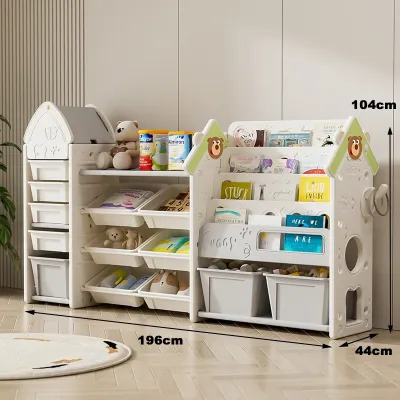
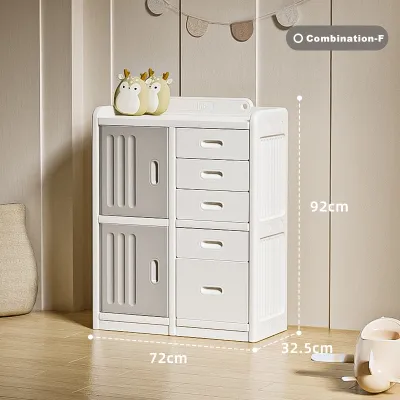
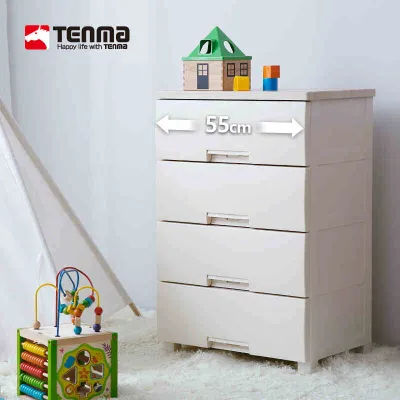
Prices are valid at publication and may change. Please refer to the product page for the latest price.
Before purchasing, check the manufacturer’s specifications to confirm what type of anchoring hardware is included. In Singapore, where residential walls are typically solid concrete or structural masonry, standard drywall anchors included in imported furniture kits are not suitable. You must verify if you need to purchase specialized masonry wall plugs and screws to ensure a secure hold. Anchoring the cabinet is a mandatory safety step that should never be bypassed or delayed.
Material Safety and Off-Gassing Checks
Because infants spend a significant portion of their day sleeping and breathing in their nursery, the air quality within this enclosed space is vital for their respiratory and developmental health. Many newly manufactured furniture pieces release volatile organic compounds (VOCs) and other airborne chemicals, a process known as off-gassing. In Singapore’s warm and humid climate, off-gassing can sometimes be more pronounced, as heat and moisture can accelerate the release of chemicals from adhesives and finishes. Therefore, checking the chemical composition of a kids storage cabinet is a critical safety step.

Start by verifying the types of paints, stains, and protective finishes used on both the exterior and interior surfaces of the cabinet. Look for products that explicitly specify the use of water-based, low-VOC, or zero-VOC finishes. These formulations release significantly fewer harmful vapors into the nursery air. Additionally, check the core materials of the cabinet. If the unit is constructed from engineered wood, such as medium-density fiberboard (MDF) or particleboard, you must review the product labels for recognized low-emission standards. Look for indications that the engineered wood complies with strict formaldehyde emission limits, such as CARB Phase 2 or EPA TSCA Title VI compliance.
Beyond the wooden structure, inspect any plastic bins, fabric drawers, or decorative hardware included with the storage unit. Ensure the manufacturer states that these components are free from lead, phthalates, and bisphenol A (BPA). Toddlers often explore their environment with their mouths, making non-toxic surfaces essential for any item within their reach. If a manufacturer does not disclose the materials or chemical compliance of their products, treat this as a signal to request detailed safety data sheets or choose an alternative product with transparent labeling.
Physical Design and Injury Prevention
The physical shape and surface treatment of a kids storage cabinet play a major role in preventing daily bumps, cuts, and bruises. As babies learn to pull themselves up to a standing position and take their first steps, they frequently lose their balance. A cabinet with sharp, 90-degree corners poses a significant impact hazard at a child’s eye or head level. When shopping, look for cabinets that feature rounded, softened, or capped corners on all exposed edges. If you find a cabinet that fits your storage needs but has sharp corners, plan to install aftermarket soft corner guards before introducing your child to the room.
Next, inspect the quality of the wood or composite panels. Run your hand along the edges, undersides, and interior surfaces to check for smooth, splinter-free finishes. Poorly finished wood or peeling laminate can cause painful splinters or cuts. Ensure that any edge banding—the thin strip of material used to cover the raw edges of plywood or MDF—is securely glued and flush with the panel. Peeling edge banding not only looks untidy but also presents a tempting surface for curious fingers to pull, creating sharp plastic edges or choking hazards if small pieces break off.
Finally, evaluate the overall design of the cabinet for potential strangulation or head-entrapment risks. Avoid units with decorative cutouts, open slats, or scrollwork where a child’s head, limbs, or fingers could become wedged. Ensure there are no protruding hooks, large decorative knobs, or looped cords attached to the cabinet, as these can catch on a child’s clothing or pacifier ribbons, posing a severe entanglement hazard. The safest designs are clean, streamlined, and free of unnecessary external protrusions.
Hardware, Moving Parts, and Entrapment Risks
Drawers and doors are primary areas where small fingers can easily get pinched, crushed, or trapped. To minimize these risks, pay close attention to the cabinet’s hardware and moving parts. Look for kids storage cabinets equipped with soft-close hinges and under-mount drawer slides. These specialized mechanisms slow down the closing action of doors and drawers, preventing them from slamming shut when a child pushes them. This simple feature significantly reduces the likelihood of painful finger-pinch injuries.
In addition to soft-close technology, examine the physical gaps between the doors, drawers, and the main cabinet frame. Standard safety guidelines suggest checking that these gaps are either small enough to prevent fingers from entering (less than 5 millimeters) or large enough that they will not pinch or trap a finger if it gets caught (greater than 12 millimeters). Avoid designs with tight, spring-loaded doors that snap shut quickly, as these pose a higher risk of injury to small hands.
The hardware handles and knobs also require careful inspection. Ensure that all pulls and knobs are securely bolted to the drawer fronts and cannot be easily twisted or pulled off by a child. Avoid hardware made of glass, thin plastic, or metal with sharp decorative edges. Furthermore, verify that the handles do not contain small, detachable parts or decorative caps that could unscrew and become choking hazards. Recessed cutouts or integrated finger pulls are often safer alternatives to traditional protruding knobs, as they eliminate both the impact hazard and the risk of loose hardware.
Verifying Safety Labels and Manufacturer Specifications
Before finalizing your purchase of a kids storage cabinet, you should perform a thorough check of the manufacturer’s official documentation, safety labels, and assembly requirements. Reliable manufacturers of children’s furniture will typically display safety certifications on their product packaging, instruction manuals, or official websites. Look for indications that the product has been tested to meet recognized international safety standards, such as ASTM International standards in the United States or EN standards in Europe. These certifications verify that the furniture has undergone rigorous testing for stability, load capacity, and material safety.
Always cross-reference the manufacturer’s recommended age, weight, and usage limits with your child’s current developmental stage. Some storage units are designed specifically for older children and may contain lightweight plastic bins that can easily be pulled out and dropped on an infant, or open shelves that are unsafe for a climbing toddler. Ensure the unit is rated for the specific type of storage you intend to use it for, and avoid overloading shelves beyond the manufacturer’s stated weight capacity, as overloading can compromise the unit’s structural integrity.
Lastly, download and review the assembly instructions before buying. Confirm that the installation of safety hardware, such as wall anchors, is clearly detailed and treated as a mandatory step rather than an optional accessory. Check if the instructions specify the tools and wall-mounting hardware required for different wall types. In Singapore, where concrete walls are standard, you must ensure you have a hammer drill, masonry drill bits, and high-quality wall plugs ready for installation. If the assembly instructions are vague, omit safety warnings, or do not include anchoring hardware, it is best to look for a product from a manufacturer that prioritizes clear safety communication.
Frequently Asked Questions (FAQ)
Is it safe to buy a second-hand kids storage cabinet for a nursery?
Buying a second-hand kids storage cabinet can be a budget-friendly option, but it requires extra vigilance to ensure safety. Older models may lack original anti-tip kits, have outdated safety designs, or contain worn joints and degraded adhesives that compromise structural integrity. Before using a pre-owned cabinet, inspect all joints for stability, verify that all hardware is present and secure, and check online recall databases to ensure the model has not been recalled for safety hazards. If the original wall-anchoring hardware is missing, you must purchase a compatible, high-quality aftermarket anti-tip strap before installing the cabinet in your nursery.
Do open shelving units need to be anchored to the wall?
Yes, open shelving units absolutely must be anchored to the wall. Many parents mistakenly believe that open shelves are safer because they lack heavy drawers, but they actually present a significant climbing temptation for toddlers. When a child climbs the shelves, their weight shifts the unit’s center of gravity forward, causing it to tip over easily. Because open shelving units often have a narrow depth and a high profile, they are highly unstable under dynamic loads. Manufacturers require wall anchoring for all open shelving units in children’s spaces, regardless of the unit’s base weight or height.

Community discussion
Share your experience or ask a question. Comments are reviewed before publication.