
Choosing the right suction bowl can transform mealtime from a chaotic cleanup session into a focused, developmental experience for your baby. During the weaning journey, a baby’s physical coordination and nutritional needs shift rapidly, meaning a bowl that works beautifully at six months might cause frustration at twelve months. To make an informed choice, parents must look beyond cute designs and evaluate practical features like suction mechanics, material safety, and ergonomic shapes. By matching these features to your baby’s current developmental stage and your home dining setup, you can minimize spills and support your child’s growing independence.
How to Match the Bowl to Your Baby's Weaning Stage
At the very beginning of the weaning journey, typically around six months of age, your baby is just learning to swallow smooth textures. During this early phase, parents do almost all of the feeding, holding the spoon and guiding it to the baby’s mouth. For this stage, look for shallow bowls with smaller capacities. A shallow design allows you to easily scoop up every last bit of puree and keep a clear view of the food. Since the baby is not yet attempting to feed themselves, a massive suction base is not strictly necessary to prevent deliberate throwing, but a stable, non-slip bottom is still highly beneficial to prevent accidental knocks from flailing little hands.
As your baby reaches the middle of their first year, they enter an active exploratory phase. They will want to grab the spoon, dip their fingers into the food, and pick up small pieces of soft finger foods. This is when a strong suction base becomes absolutely essential. Without a secure grip on the highchair tray, the entire bowl is likely to end up upside down on the floor. During this stage, divided bowls are particularly useful. They allow you to present different textures, colors, and food groups separately, which can make meals more visually appealing and encourage sensory exploration. Keeping foods separate also helps you identify specific food preferences or potential sensitivities more easily.
Products mentioned in this guide
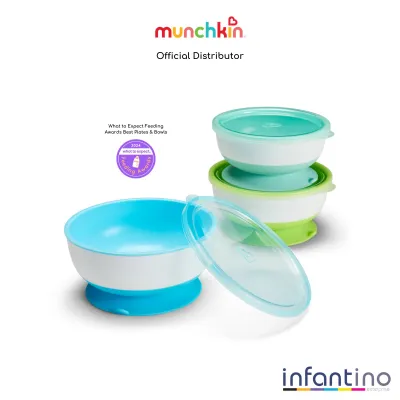
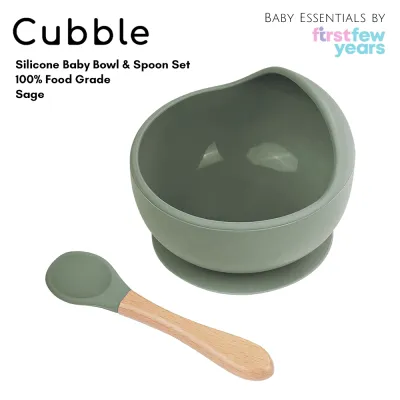
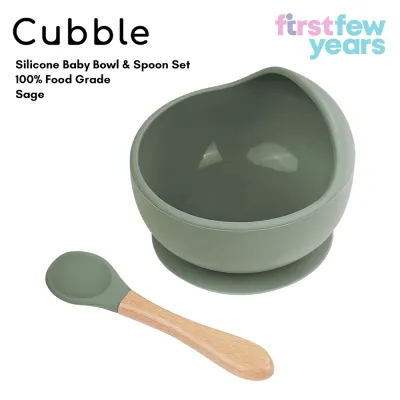
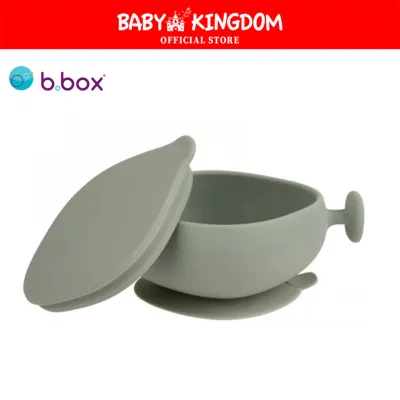
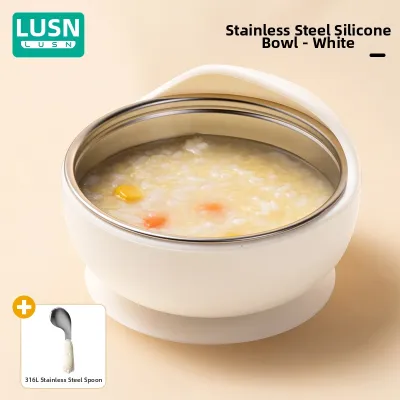
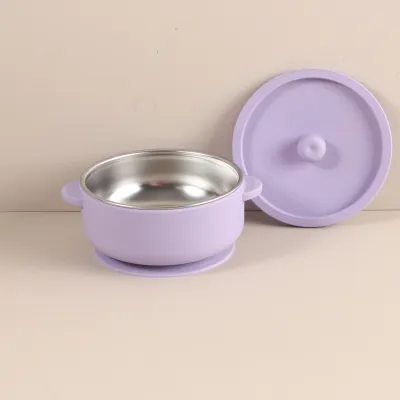

Prices are valid at publication and may change. Please refer to the product page for the latest price.
As your baby transitions into toddlerhood, their portion sizes increase, and their self-feeding skills become more robust. They will begin using utensils with more force, pushing spoons against the sides of the bowl to scoop up grains, pastas, or stews. For this advanced stage, prioritize deeper bowls with larger capacities that can accommodate more substantial meals. The materials must be highly durable to withstand forceful scooping and the occasional drop if the suction is bypassed. Look for bowls with high, sturdy walls that provide a solid backstop for scooping, helping your child master the mechanics of using a spoon without pushing food over the edge.
Evaluating Suction Strength and Stability
Not all suction bases are engineered the same way, and the right choice depends heavily on your dining setup. Wide suction bases cover almost the entire bottom of the bowl, providing excellent overall stability and making it very difficult for a baby to tip the bowl from the side. However, these wide bases require a large, completely flat surface to work effectively. If you have a compact highchair tray, a wide base might overlap the curved edges, preventing a proper seal. In contrast, bowls with a single, smaller central suction cup can fit onto narrower trays, but they may allow the bowl to wobble slightly if your baby pulls hard on the outer rim. Always measure the flat portion of your highchair tray before purchasing.

A suction cup works by creating a vacuum, which requires a completely smooth, non-porous surface. Before buying, inspect the material of your dining table or highchair tray. Polished wood, glass, smooth plastic, and stone surfaces generally provide an excellent seal. However, textured wood grain, matte finishes, and trays with micro-scratches or decorative ridges allow tiny amounts of air to seep under the suction cup, breaking the vacuum seal almost instantly. Check the manufacturer’s product labels and specifications to see if they list compatible or incompatible materials, as some suction designs are specifically optimized for plastic highchair trays while others perform better on glass or stone.
A suction bowl is only effective if your baby cannot figure out how to release it. Babies are incredibly observant and will quickly learn that pulling a specific tab or lifting a certain edge breaks the magic hold. Look for bowls designed with hidden release tabs that face away from the baby’s seating position, or tabs that require a precise, adult-strength pinch to operate. Some advanced designs feature pull straps or integrated release buttons that are flush with the base, making them virtually impossible for tiny fingers to grip. Choosing a bowl with a well-concealed release mechanism ensures the bowl stays firmly anchored throughout the entire meal.
Verifying Material Safety and Heat Limits
When selecting any feeding accessory, material safety is a primary concern. Carefully read the product packaging and official manufacturer specifications to verify the materials used. Look for high-quality, food-grade silicone, BPA-free plastics, or bowls with stainless steel interiors. Food-grade silicone is highly popular because it is flexible, durable, and naturally resistant to bacteria. If you choose plastic, ensure it is free from bisphenols (BPA, BPS) and phthalates. For stainless steel options, verify that the outer suction base is removable so you can clean both parts thoroughly and prevent moisture from getting trapped between the metal and the silicone.
Suction bowls are frequently exposed to extreme temperatures, from freezing leftovers to heating meals and running through high-temperature dishwasher cycles. Never assume a bowl is safe for all appliances. Check the manufacturer’s explicit temperature limits before applying heat. Some silicone bowls are safe for the microwave, oven, and freezer, while others have integrated plastic rings or suction mechanisms that will warp or degrade under high heat. Using a bowl outside its specified temperature range can damage the suction base, cause the material to degrade, or release unwanted odors.
Over time, daily use and washing will take a toll on any baby bowl. Establish a routine of inspecting your suction bowls regularly for signs of wear and tear. Look for physical indicators such as deep scratches, which can harbor food particles and bacteria, or discoloration and cloudiness in plastic bowls. For silicone bowls, check if the edges of the suction base have become warped, stiff, or torn, as even minor physical damage to the rim will prevent the bowl from holding a vacuum seal. If you notice a sticky residue or a persistent soapy smell that does not wash away, it is a clear sign that the material has degraded and the bowl should be replaced.
Choosing Shapes and Dividers for Self-Feeding
The internal structure of the bowl plays a significant role in how your baby interacts with their food. Divided bowls are highly beneficial when you want to offer a variety of foods without them mixing together. This is particularly helpful for babies who are sensitive to textures or prefer to eat one food group at a time. It also serves as a visual guide for parents to ensure a balanced meal of proteins, vegetables, and carbohydrates. On the other hand, undivided bowls are much better suited for single-pot meals like porridges, stews, or pastas. They offer a larger, open surface area that makes mixing easier and are generally much simpler to clean quickly.
For a baby learning to use a spoon, the shape of the bowl’s inner walls can make a massive difference in their success rate. Standard bowls often have straight or flared sides, which cause food to slide up and over the edge when pushed with a spoon. Look for bowls designed with sloped or inward-curving inner walls. This specific angle acts as a built-in ramp; when your baby pushes the spoon against the side of the bowl, the curved wall naturally guides the food onto the spoon. This simple design feature significantly reduces mealtime frustration, encourages independent eating, and helps build fine motor skills more rapidly.
The exterior edges of the bowl also contribute to its overall usability. Wide, flared, or weighted rims provide a stable grip for babies who like to hold the side of the bowl with one hand while eating with the other. Some bowls feature an asymmetrical design with one raised, curved wall that acts as a splash guard, keeping food contained even during enthusiastic scooping. Additionally, look for bowls with a wide outer lip that catches stray drips before they run down the side of the bowl and onto the highchair tray, keeping the suction base clean and dry.
Building Your Suction Bowl Purchasing Checklist
To find the right suction bowl for your home, start by prioritizing features based on your baby’s current developmental stage and your physical dining setup. Measure the flat surface of your highchair tray first to establish a maximum base size. Next, consider your typical meal preparation routine; if you frequently reheat food, prioritize bowls with high heat tolerance and clear microwave-safe labeling. If your baby is highly active and prone to pulling at tableware, focus heavily on designs with hidden release tabs and wide, robust suction bases.
Because suction performance is highly dependent on the specific texture and material of your home surfaces, there is always a chance a bowl might not stick as expected to your particular highchair tray. Before making a purchase, verify the return policies, warranty conditions, and retailer guidelines. Look for retailers or brands that offer satisfaction guarantees or flexible return windows, allowing you to test the suction grip on your home surfaces before committing to the purchase. This step protects your investment and ensures you do not end up with a collection of non-sticking bowls.
Remember that weaning is a temporary phase, and your baby’s needs will evolve quickly. A bowl that is perfect for six-month-old purees will likely be outgrown within a few months. When building your checklist, plan for these transitions by purchasing a versatile set or recognizing the signs that indicate it is time to upgrade. If your baby is consistently finishing their meals and looking for more, or if they have mastered the spoon and need a deeper bowl with more pronounced curved walls, it is time to transition to the next stage of tableware.
Frequently Asked Questions (FAQ)
Why does my suction bowl keep losing its grip on the highchair tray?
A suction bowl relies on a continuous vacuum seal to stay anchored. If your bowl keeps releasing, the most common culprit is an incompatible surface texture. Even if a highchair tray looks smooth, it may have microscopic textures, matte finishes, or tiny scratches from daily wear that allow air to slowly seep under the suction cup, breaking the vacuum. Another common issue is the presence of trapped air, moisture, or oily food residue on either the bowl’s base or the tray surface. To restore optimal grip, thoroughly clean both surfaces with warm, soapy water to remove any grease, and dry them completely. When applying the bowl, press down firmly from the center outward to push out all trapped air. For some silicone bases, applying a single drop of water to the suction cup before pressing it down can help create a tighter seal, provided the surface is completely clean.
Can I use a suction bowl for hot foods straight from the microwave?
Whether you can safely microwave a suction bowl depends entirely on the manufacturer’s explicit material specifications. While many food-grade silicone bowls are highly heat-resistant and safe for microwave use, you must always verify this on the product packaging before heating. Some bowls feature hidden plastic reinforcement rings, metal components, or separate suction bases made of different materials that cannot tolerate microwave radiation or high heat. Additionally, silicone is an excellent insulator, meaning it can retain heat and remain hot to the touch long after the food has been warmed. Always stir the food thoroughly after microwaving to eliminate hot spots, and test the temperature of both the food and the bowl itself before serving it to your baby. If the bowl material feels overly hot or soft, allow it to cool slightly on a heat-resistant surface before securing it to the highchair tray.

Community discussion
Share your experience or ask a question. Comments are reviewed before publication.