
When buying baby cotton buds, safety is defined by physical design barriers that prevent over-insertion, gentle and non-splintering materials, and clear age-appropriate labeling. Unlike adult swabs, specialized infant cotton buds are engineered to protect delicate, developing anatomy during routine grooming. Caregivers must prioritize structural safety features and strict usage boundaries to prevent accidental injury. Selecting the right grooming tools requires understanding how these safety features function and knowing how to verify product claims on the packaging.
Essential Physical Safety Designs
The primary hazard when using any swab near an infant is accidental over-insertion, which can cause painful injuries to the delicate structures of the ear or nose. To mitigate this risk, specialized baby cotton buds incorporate physical safety designs that act as mechanical barriers. When shopping, look for buds featuring built-in safety stoppers, shields, or thickened nodes. These designs feature a distinct, widened section of cotton just behind the tip, which physically prevents the bud from entering narrow openings like the ear canal or nasal passages.
The shape of the cotton tip itself is another critical safety factor. Standard adult swabs have narrow, uniform cylindrical tips that easily slide into small spaces. In contrast, baby-safe options utilize bulbous, oversized, or spoon-shaped tips. A bulbous tip is specifically contoured to allow the very end to clean shallow, external areas while the wider base rests safely against the outer opening. Spoon-shaped tips are designed for gentle, external scooping of debris without requiring any deep insertion.
Products mentioned in this guide
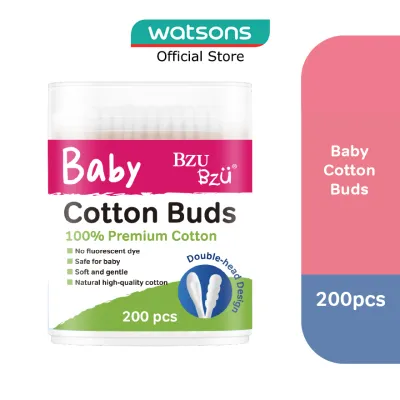
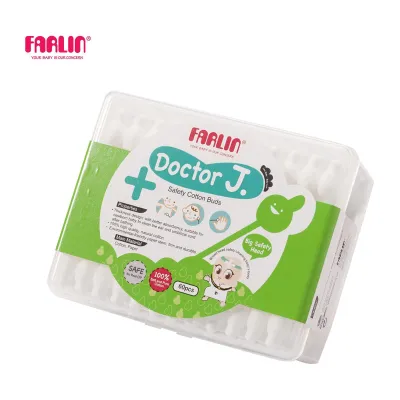
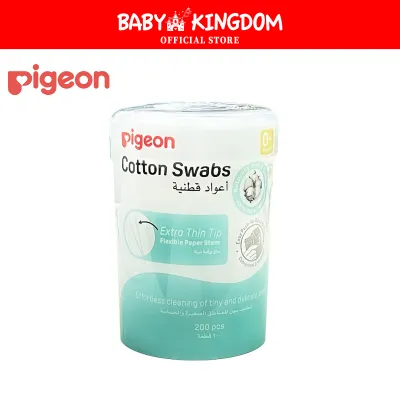
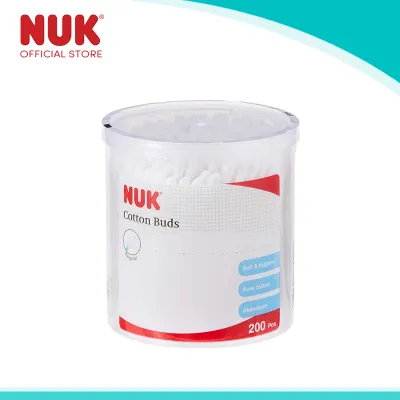
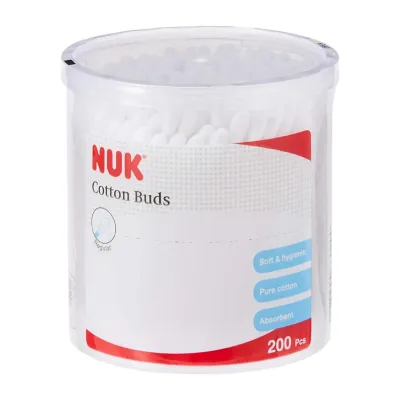
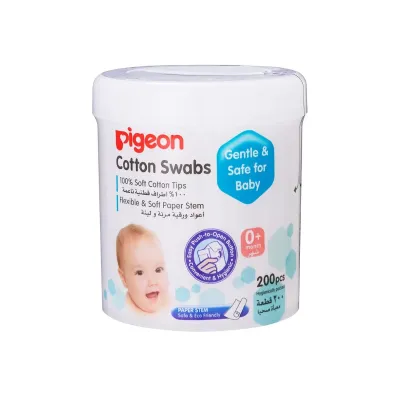
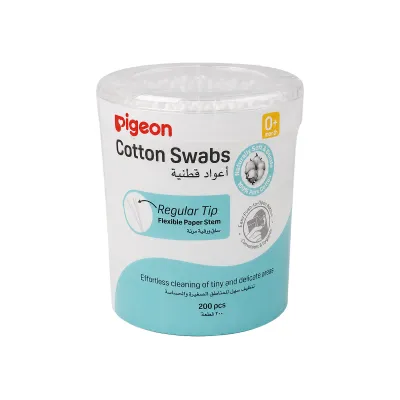
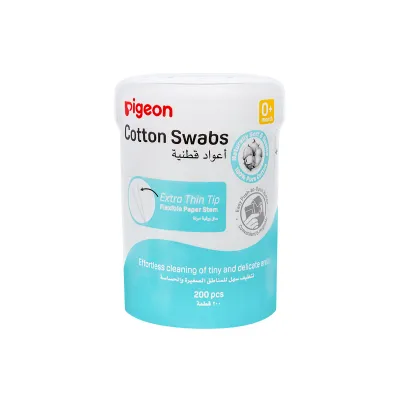
Prices are valid at publication and may change. Please refer to the product page for the latest price.
Beyond the cotton tip, the flexibility of the stick is vital for preventing injury during sudden movements. A high-quality baby cotton bud should feature a highly flexible stick that bends easily under pressure rather than remaining completely rigid. If a baby suddenly jerks their head, a rigid stick can transfer the full force of the impact directly to the delicate skin or internal structures. A flexible stick absorbs this sudden force by bending, significantly reducing the risk of bruising, scratching, or deeper tissue trauma. Caregivers should gently test the flexibility of a sample stick before use to ensure it yields easily without splintering or snapping.
Material and Tip Softness Checks
An infant’s skin is highly sensitive and significantly thinner than adult skin, making it highly susceptible to friction, micro-tears, and chemical irritation. Therefore, the materials used in baby cotton buds must meet strict standards of gentleness and purity. Caregivers should prioritize tips made from 100% pure cotton rather than synthetic fiber blends. Pure cotton is naturally softer, highly absorbent, and less likely to shed loose fibers that could get trapped in tiny crevices or cause irritation. Synthetic blends can feel abrasive and may leave behind micro-fibers that irritate the eyes, nose, or ears.

When evaluating packaging, look for labels indicating unbleached cotton or hypoallergenic formulations. Unbleached cotton is processed without harsh chlorine bleaching agents, reducing the risk of chemical residues coming into contact with your baby’s skin. These buds often have a natural, slightly off-white appearance and may feature tiny, harmless dark specks of cotton seed husks. To verify hypoallergenic claims, check the packaging for indications of dermatological testing or independent textile certifications, which confirm the absence of common allergens and harmful chemical residues.
The material of the stick also plays a major role in overall safety and environmental impact. Flexible paper or smooth, high-quality bamboo sticks are excellent alternatives to rigid plastic. Paper sticks are tightly wound to provide sufficient structural integrity for external cleaning while remaining highly flexible and biodegradable. Bamboo sticks offer a smooth, sturdy alternative that resists splintering. In humid tropical climates like Singapore, storing these natural material buds in a dry, airtight container is essential to prevent moisture absorption and maintain their structural integrity. Avoid brittle plastic sticks, which can snap under pressure and leave sharp, jagged edges that pose a severe scratch hazard.
Safe Usage Boundaries and High-Risk Areas
Even the most safely designed cotton bud can cause harm if used incorrectly. Establishing strict usage boundaries is essential to protecting your baby from physical injury. Baby cotton buds should only be used on external, visible areas of the body. Safe zones include the outer folds of the ear (the pinna), the skin directly behind the ears where moisture and milk residue often accumulate, and the very outer edges of the nostrils. These areas can be gently wiped to remove surface debris, excess wax, or dried mucus.
There is an absolute medical rule against inserting any cotton bud, regardless of its safety design, into the ear canal or deep into the nasal passages. The ear canal is self-cleaning, and inserting a swab can push earwax deeper, leading to painful impaction, hearing dampening, or infection. More critically, deep insertion carries a high risk of puncturing the delicate eardrum, which can cause permanent damage. Similarly, inserting a swab deep into the nose can irritate the sensitive nasal mucosa, trigger nosebleeds, or interfere with the baby’s breathing.
Caregivers must remain highly observant during grooming sessions. Always perform grooming in a well-lit room with the baby securely supported on a flat, stable surface. If you observe any signs of skin redness, micro-abrasions, swelling, or localized irritation during or after cleaning, stop using the cotton buds immediately. Keep the affected area clean and dry, and allow the skin to recover naturally. If the redness persists, if there is any sign of infection, or if you suspect any internal irritation, consult a qualified healthcare professional or pediatrician for guidance.
How to Verify Age Appropriateness and Packaging Labels
Navigating the baby care aisle requires a critical eye, as generic marketing terms can sometimes be misleading. When selecting cotton buds, look for explicit age grading on the packaging, such as “newborn,” “0+ months,” or “infant-safe.” Avoid products that rely solely on vague marketing phrases like “for the whole family” or “baby-friendly” without providing specific design justifications. True infant-safe products are specifically sized and shaped for smaller anatomical features, whereas family-sized swabs may still be too large or rigid for a newborn.
Always take the time to read the manufacturer’s safety warnings, intended use instructions, and disposal guidelines printed on the box. Legitimate manufacturers will clearly state the limitations of the product, including explicit warnings against internal insertion. These instructions often provide valuable guidance on the correct holding technique to maximize safety during use.
Additionally, check the packaging for hygiene seals and sterilization indicators. Because cotton buds are used near sensitive mucosal areas, the packaging should feature a secure, tamper-evident seal to ensure the contents remain sterile and free from dust or contaminants until opened. While some products may claim specific safety certifications or dermatological approvals, these standards can vary by region and change over time. Caregivers should treat these claims as items to verify by checking the manufacturer’s official website or local regulatory databases to ensure the product complies with current safety guidelines.
Frequently Asked Questions (FAQ)
Can I use regular adult cotton buds for my baby?
No, you should not use regular adult cotton buds on an infant. Adult swabs are designed with narrow, uniform tips that lack the safety bulb or stopper design found on baby-specific buds. This narrow profile makes it incredibly easy to accidentally insert the swab too deep into a baby’s small ear canal or nostril. Furthermore, adult cotton buds often have less densely wound cotton, which increases the risk of fibers shedding and becoming lodged in delicate areas. Using adult versions significantly increases the risk of ear canal injury, eardrum perforation, and wax impaction.
What should I do if my baby moves suddenly during grooming?
If your baby startles or moves suddenly during grooming, your immediate reflex should be to pull your hand and the cotton bud completely away from their face, rather than trying to hold the swab steady against their skin. Trying to resist their movement while holding the swab near their face increases the risk of accidental puncture or scratching. Once the baby is calm, carefully inspect the area under good lighting for any scratches, redness, or bleeding. If you observe any bleeding from inside the ear or nose, fluid drainage, or if the baby exhibits signs of persistent pain or distress, do not attempt further grooming and consult a pediatrician or medical professional immediately.

Community discussion
Share your experience or ask a question. Comments are reviewed before publication.