
To truly protect your baby from electrical hazards, a 3-pin socket cover must do more than just block the holes; it must resist the persistent curiosity of a toddler. Effective covers feature flush-fit profiles that little fingers cannot grip, robust materials that do not shatter, and secure removal mechanisms that require a tool or complex coordination. While standard outlets in Singapore often feature internal safety shutters, choosing the right external cover adds a vital secondary physical barrier to keep your home safe as your child begins to crawl and explore.
Why Basic Plastic Plugs May Fall Short
Many parents pick up cheap, basic plastic plugs from an online marketplace, assuming any barrier will keep their child safe. However, simple single-piece plastic plugs often fall short because active toddlers quickly learn how to manipulate them. If a plug has a small ridge, a protruding edge, or a raised handle, a curious baby can easily pry it out using their fingernails, toys, or even their teeth. Toddlers are highly persistent, and what seems secure to an adult can quickly become a puzzle for a child with hours to spare.
Once a basic plug is pulled out of the wall, it immediately transforms from a safety device into a serious hazard. These cheap plastic items can easily become choking hazards if a toddler puts them in their mouth, or if the plastic brittlely shatters under pressure. If a cover breaks into small, sharp pieces, it poses both a choking risk and a physical injury risk to your little one. This defeats the entire purpose of childproofing, replacing an electrical hazard with a choking hazard.
Products mentioned in this guide
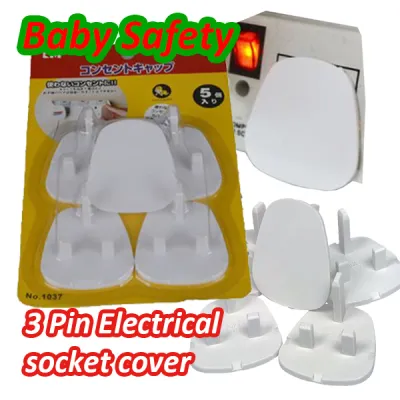
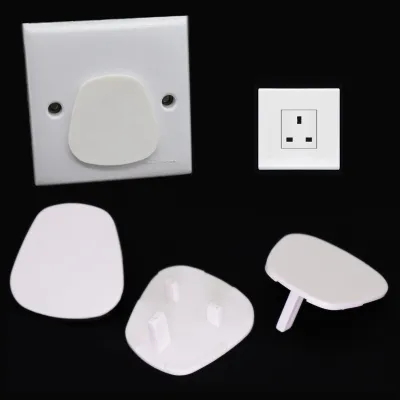
![[Local Seller!] Baby Safety Electrical UK 3pin Power Outlets Socket Cover Plug Caps Japan Brand KM1037 - 5pcs](https://img.lazcdn.com/g/p/ea9601dbec0eaea46fd1122e080ef0b2.jpg_400x400q80.jpg_.webp)
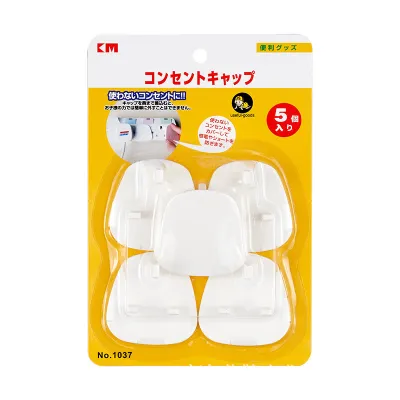
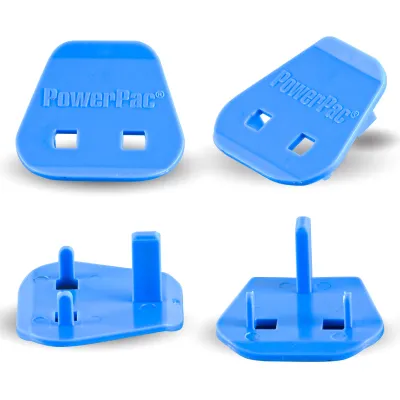
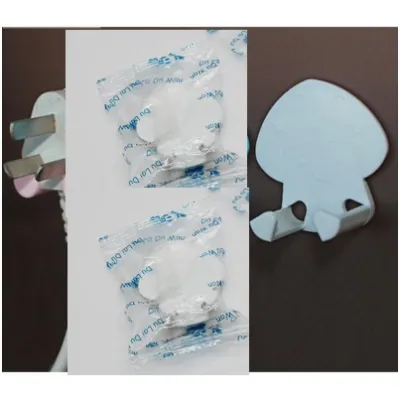
Prices are valid at publication and may change. Please refer to the product page for the latest price.
It is also vital to remember that no electrical safety accessory can replace active adult supervision. Socket covers are designed to buy you valuable seconds by delaying a child’s access to a hazard, but they are never a substitute for keeping a watchful eye on your exploring toddler. Combining physical barriers with constant supervision is the only way to maintain a truly safe environment. Relying solely on plastic plugs can create a false sense of security, leading to lapses in vigilance that put your child at risk.
Essential Physical Design Features to Look For
When evaluating 3-pin baby socket covers, the physical design is your first line of defense against curious hands. Look for covers that feature internal locking mechanisms or require a specific tool, key, or a complex two-handed action to remove. If a cover requires a parent to insert a plastic key or perform a coordinated squeeze-and-pull motion, it is highly unlikely that a toddler will have the fine motor skills or strength to bypass it. These mechanisms exploit the gap between adult coordination and toddler motor development.

Another critical design element is the prevention of single-pin insertion. In standard 3-pin sockets, inserting an object into the top earth pin hole can open the shutters for the live and neutral pins below. High-quality socket covers are designed so that they cannot be bypassed by a child pushing a toy or a finger into just one of the openings, ensuring the internal mechanism remains securely locked. A safe cover must completely block all three openings simultaneously and resist uneven pressure.
Additionally, pay close attention to the physical profile of the cover when it is plugged into the wall. Flush-fit or recessed designs sit completely flat against the outlet plate, leaving no exposed edges or handles for little fingers to grip. Avoid designs with protruding rings or fold-out handles; while these make removal easier for parents, they also make it incredibly easy for a toddler to pull the cover straight out of the socket. The ideal cover should blend into the wall plate, making it visually unappealing and physically inaccessible to your child.
Material and Build Quality Checks
Before purchasing any socket covers, you must verify their material safety and structural durability. Inspect the product packaging or online specifications to check for local safety labels, such as the SAFETY Mark in Singapore, or clear manufacturer declarations that the product is made from fire-retardant materials. Because these devices sit directly inside electrical outlets, verifying that they are made from non-flammable, high-quality plastics is non-negotiable for home safety. Cheap, uncertified plastics can pose a fire risk if the outlet experiences a minor surge or overheating.
The physical strength of the plastic is equally important. Ensure the material is thick, impact-resistant, and durable enough to withstand being dropped, stepped on, or even bitten without cracking. Brittle plastics degrade quickly over time, especially in warm or humid climates, leading to micro-cracks that compromise the cover’s structural integrity. A high-quality cover should feel solid and rigid, resisting any bending or flexing when you apply pressure with your fingers.
Finally, verify that the cover is constructed as a single solid piece or has securely integrated components. Avoid any designs that rely on small, detachable parts that could easily break off during daily use. If a key or removal tool is required, ensure it is sturdy and can be stored safely in a high cupboard completely out of your child’s reach. A broken key or a detached locking tab can quickly become a choking hazard, undermining the safety of your entire home setup.
Safe Installation and Daily Supervision Practices
Proper installation is key to ensuring that even the best-designed socket cover performs as intended. Always follow the manufacturer’s specific installation instructions, ensuring the cover sits completely flush and tight against your specific 3-pin outlet plate. If there is any wobble or gap between the cover and the wall, a child may find leverage to pry it loose. Different brands of wall sockets have slight variations in depth, so it is important to test the fit on every outlet in your home.
Make it a habit to establish a regular home safety routine. Periodically inspect all installed covers for signs of looseness, wear, or cracks, paying extra attention to low-level outlets and high-traffic areas where vacuum cleaners or furniture might bump against them. Over time, frequent plugging and unplugging can wear down the plastic prongs, making the cover easier to remove. If a cover slides out with minimal resistance, it is time to replace it immediately.
Ultimately, electrical safety in a family home relies on a multi-layered approach. Alongside physical socket covers, practice proper cord management by keeping appliance cables tucked behind heavy furniture and out of sight. Teaching your child from an early age that wall outlets are not toys, combined with active supervision, creates the safest possible environment. By combining physical barriers, behavioral guidance, and constant vigilance, you can significantly reduce the risk of electrical accidents.
When to Stop Using or Replace Socket Covers
Socket covers are not permanent fixtures and must be replaced or retired based on wear and your child’s development. Immediately discard and replace any cover that shows signs of discoloration, warping, or cracking, or if it begins to fit loosely in the socket. A loose cover fails to provide a reliable barrier and can easily be pulled out by a child. Environmental factors like heat and humidity can accelerate the degradation of plastic, making regular checks essential.
You should also stop using a specific socket cover design immediately if you observe your child successfully figuring out how to remove it. Toddlers are incredibly observant and often learn by watching parents remove the covers; once they master the trick, that specific barrier is no longer effective. If your child bypasses a cover, switch to a different design that requires a tool or key, or consider rearranging furniture to block access to the outlet entirely.
As your child grows, their cognitive understanding of household dangers will develop. Once they can consistently understand and follow safety rules regarding electricity—typically around preschool age—you can begin to transition away from physical covers. At this stage, education and clear boundaries become your primary tools for electrical safety. Teaching them how to safely handle plugs under supervision is a crucial step in their development.
Frequently Asked Questions (FAQ)
Are 3-pin socket covers a choking hazard?
Yes, poorly designed, low-quality, or damaged socket covers can pose a serious choking risk if they are small enough to fit entirely inside a child’s mouth. If a cover is made of brittle plastic, it can break into small, sharp fragments when pulled or bitten. To minimize this risk, always choose solid, single-piece designs made from impact-resistant materials, and ensure any specialized removal keys are stored safely out of your child’s reach. Regularly inspect the covers for any signs of wear or damage to ensure they remain intact.
Do I still need covers if my outlets have built-in safety shutters?
While standard 3-pin outlets in Singapore are typically designed with built-in safety shutters that block the live and neutral ports until the earth pin is inserted, external covers can still provide valuable protection. They act as an excellent visual deterrent, keeping curious toddlers from focusing on the outlets in the first place. Additionally, if your home has older, stiff, or potentially damaged outlets, a high-quality external cover offers an essential extra layer of physical security. It ensures that even if the internal shutters fail or are partially compromised, your child remains protected.

Community discussion
Share your experience or ask a question. Comments are reviewed before publication.