
Finding the right wet bag for your child’s swimming gear requires looking for a reliable waterproof lining, secure leakproof closures, and separate compartments to keep damp items away from dry clothes. In warm, humid climates like Singapore, where frequent swim lessons and outdoor water play are part of the weekly routine, a high-quality wet bag is an essential tool for keeping school bags dry and preventing mold growth. Selecting the right bag involves understanding materials, construction, and how your child will carry their gear.
Why Your Child Needs a Dedicated Swim Wet Bag
Using a dedicated swim wet bag is a practical and hygienic upgrade from relying on single-use plastic bags or tossing damp gear directly into a standard school backpack. When wet swimsuits, chlorine-soaked caps, and damp towels are placed in a regular bag, moisture quickly transfers to schoolbooks, homework, and clean clothes. This dampness creates an ideal breeding ground for bacteria and mold, which can ruin expensive school gear and cause unpleasant, lingering odors.
A specialized wet bag acts as a secure barrier, containing moisture and pool chemicals within a designated space. This protection is especially important when your child has to transition directly from swim class to other activities, such as school or tuition, where their bag must remain dry and clean.
Products mentioned in this guide
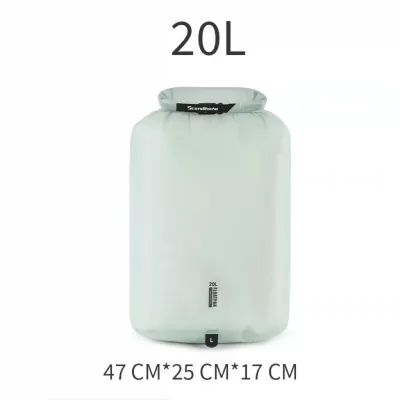
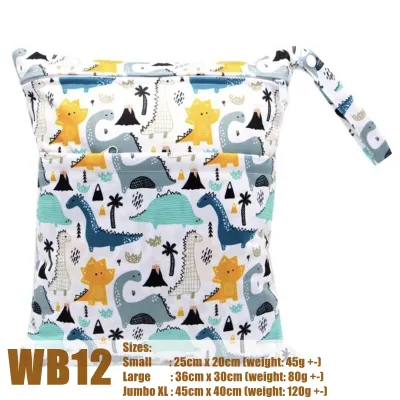

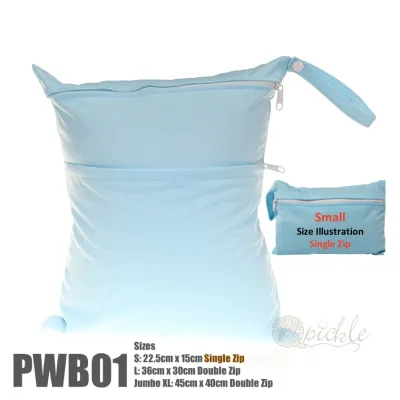

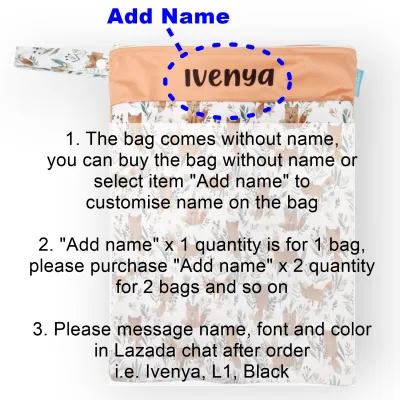
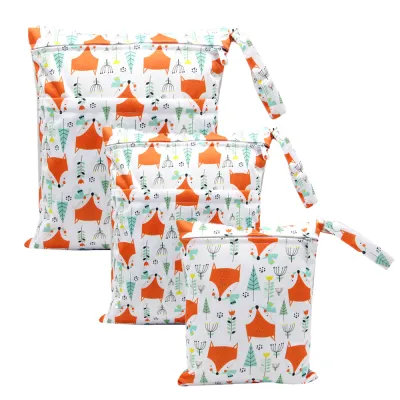
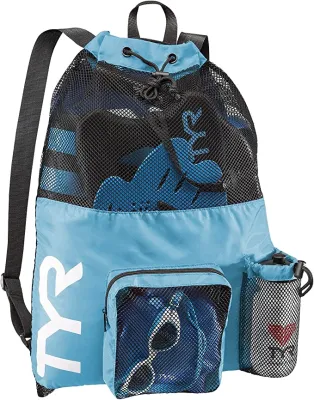
Prices are valid at publication and may change. Please refer to the product page for the latest price.
Choosing a reusable wet bag also offers significant environmental benefits. Single-use plastic bags tear easily, often leading to unexpected leaks inside a backpack, and they contribute heavily to plastic waste. A durable, washable wet bag can be used for years, reducing your household’s environmental footprint while providing a much more reliable containment system.
Furthermore, pool water contains chlorine, and beach water contains saltwater, both of which can be highly corrosive to other materials. A dedicated wet bag prevents these elements from coming into contact with metal zippers, electronic devices, or delicate fabrics in your child’s main backpack, preserving the lifespan of their daily belongings.
Evaluating Material and Waterproofing Standards
When shopping for a wet bag, the material and lining are the most critical factors in determining whether the bag will actually contain moisture. Many standard bags are labeled as “water-resistant,” which simply means they can repel light splashes or a brief drizzle. For holding soaked swimwear and heavy, wet towels, you need a bag that is explicitly rated as “waterproof.”

Look for bags lined with thermoplastic polyurethane (TPU) or polyurethane (PU). TPU is a popular choice for children’s gear because it is a flexible, durable membrane that is typically heat-bonded to the outer fabric without the use of harsh chemical solvents. This lining creates an impermeable barrier that prevents water from seeping through the fabric, even when containing highly saturated items.
Beyond the fabric itself, pay close attention to the seam construction. Standard sewn seams use needles that puncture the fabric, leaving thousands of microscopic holes. Under the weight and pressure of a wet towel, water can easily leak through these tiny openings. High-quality wet bags feature heat-sealed or taped seams, which fuse the fabric layers together to create a completely seamless, leakproof barrier.
When browsing product descriptions on online marketplaces, always verify whether the entire bag is waterproof or if only specific compartments feature the protective lining. Some bags use waterproof fabric for the exterior but lack a proper inner membrane, which can lead to moisture slowly seeping outward over time.
Choosing the Right Size, Capacity, and Compartments
Selecting the right size depends on the volume of gear your child regularly brings to the pool. A standard children’s swim kit typically includes a swimsuit, a pair of goggles, a swim cap, flip-flops, and a towel. If your child uses a thick, fluffy cotton towel, they will require a significantly larger bag than if they use a compact microfiber travel towel.
For toddlers and younger children with small swimsuits and compact towels, a medium-sized bag (approximately 30 by 40 centimeters) is usually sufficient. Older children or those involved in competitive swim training will need a larger capacity bag or a backpack-style wet bag to accommodate training aids, change of clothes, and larger towels.
Dual-compartment designs, often marketed as wet/dry bags, are highly practical for school and travel. These bags feature two separate pockets: one lined with waterproof TPU for wet gear, and another breathable or dry pocket for clean clothes, underwear, and dry socks. This layout allows your child to pack their dry clothes in the morning and simply swap them with their wet swimwear after their lesson, keeping everything organized within a single bag.
External mesh pockets are another valuable feature to look for. These breathable pockets are perfect for storing items that do not need to be sealed away, such as goggles, swim caps, or damp flip-flops. The mesh allows air to circulate, helping these smaller accessories dry faster and reducing the risk of mold buildup.
Selecting Secure Closures and Portable Straps
The hardware and closures on a wet bag determine how secure it is when tossed into a larger backpack or carried on its own. Zippers are the most reliable closure type for containing moisture and odors, but not all zippers are created equal. Look for water-resistant zippers, which feature a specialized coating over the zipper tape to block water from escaping through the teeth.
Because swim gear is constantly exposed to chlorine and saltwater, metal components can quickly corrode and seize up. Prioritize rust-proof plastic zippers or treated metal hardware that can withstand repeated exposure to harsh pool chemicals. Drawstring closures, while easy for young children to operate, do not provide a tight seal and can allow water to leak out if the bag is tipped sideways or squeezed.
Carrying options should match your child’s age and how they travel to their swim lessons. For younger children, a wet bag with a snap-on handle or a stroller clip is highly convenient, allowing parents to attach the bag to a pram, diaper bag, or bicycle handlebar. This keeps the wet gear easily accessible and separate from other luggage.
For older, more independent children, a wet bag with adjustable backpack straps or a detachable shoulder strap is ideal. This allows them to carry their swim gear comfortably on their own, leaving their hands free. Ensure that any straps or handles are reinforced with heavy-duty stitching, as a wet towel and swimsuit can add significant weight to the bag.
Prioritizing Hygiene, Odor Control, and Easy Cleaning
In warm and humid climates, damp fabrics left in a closed space can develop unpleasant odors and mold in a matter of hours. To maintain hygiene, look for wet bags that are designed for easy cleaning and rapid drying. Some manufacturers apply odor-resistant or antimicrobial treatments to the fabric, which can help minimize bacterial growth between washes.
A crucial design feature for hygiene is the ability to turn the bag completely inside out. This allows you to wipe down the waterproof lining easily and ensures that moisture does not get trapped in the deep corners of the bag. If a bag cannot be turned inside out, it is much harder to dry thoroughly, which often leads to persistent mildew smells.
Always check the care label instructions before purchasing. A wet bag should ideally be machine-washable on a gentle cycle, allowing you to sanitize it regularly along with your child’s towels. Avoid bags that require complex hand-washing routines, as a swim bag needs frequent cleaning to remove chlorine residue and sweat.
When washing the bag, avoid using fabric softeners or harsh detergents, as these chemicals can degrade the waterproof TPU lining over time. Instead, use a mild, child-safe detergent and ensure the bag is completely dry before storing it away in a cupboard.
Matching the Bag to Your Child's Swim Routine
To find the perfect wet bag, consider how often your child swims and where the lessons take place. A child attending a weekly indoor swim class has different needs than a family planning a daily beach holiday or frequent trips to outdoor water parks.
For weekly indoor lessons, a compact, dual-compartment wet/dry bag is often the most practical choice. It easily fits into a school backpack, keeps the damp swimsuit contained, and can be washed and dried once a week. The focus here is on space efficiency and reliable waterproofing to protect school materials.
If your family spends weekends at the beach or outdoor pools, a larger, backpack-style wet bag with external mesh pockets and a durable exterior is more suitable. The external pockets allow sandy toys and wet shoes to be stored separately, while the larger capacity accommodates extra towels and sun protection gear.
Your child’s age and level of independence should also guide your choice. Toddlers and preschoolers need simple closures, such as large, smooth-running zippers with fabric pulls that are easy for small hands to grip. Older children can handle roll-top closures with buckles, which offer an exceptionally secure seal and allow the bag’s volume to be adjusted based on how much gear is inside.
Before browsing online marketplaces, create a quick checklist of your must-have features versus nice-to-have options. Must-have features should always include a waterproof TPU lining, taped seams, and a rust-proof zipper. Nice-to-have features might include personalized name tags, specific color patterns, or detachable shoulder straps.
Maintaining the Bag's Waterproof Integrity
Even the highest-quality wet bag will lose its effectiveness if it is not cared for properly. Chlorine, saltwater, and sunscreen residues can slowly break down the waterproof membrane and damage the heat-sealed seams over time. To prevent this degradation, make it a habit to rinse the inside and outside of the bag with clean, cold water immediately after returning from the pool.
When drying the bag, always air dry it in a well-ventilated area. Avoid exposing the waterproof lining to direct, intense sunlight for extended periods, as UV rays can cause the TPU membrane to become brittle and crack. Never place a wet bag in a tumble dryer or near a direct heat source, as high temperatures can melt the lining and cause it to peel away from the outer fabric.
Regularly inspect the interior of the bag for signs of wear and tear. If you notice the lining starting to peel, bubble, or crack, or if water begins to seep through the seams, it is time to replace the bag. Using a compromised wet bag risks damaging other expensive items in your child’s school backpack.
Frequently Asked Questions (FAQ)
Can I use a standard diaper wet bag for swimming gear?
While you can use a standard diaper wet bag in a pinch, it may not be ideal for regular swim gear. Diaper wet bags are designed to hold damp diapers and wipes, which have a much lower volume than a water-logged beach towel and swimsuit. A standard diaper bag may quickly become overfilled, stretching the seams and causing moisture to seep through. Additionally, verify if the diaper bag’s lining is rated for prolonged exposure to chlorinated water, as some diaper bags are only water-resistant rather than fully waterproof.
How do I remove stubborn chlorine or mildew smells from a wet bag?
To remove stubborn odors, always check the manufacturer’s care label first to ensure you do not void the warranty or damage the fabric. If allowed, you can rinse the bag with a diluted solution of cool water and a splash of white vinegar, or sprinkle a small amount of baking soda inside the bag before washing. Avoid using harsh chemical bleach, fabric softeners, or high-heat drying cycles, as these will destroy the waterproof TPU membrane and ruin the heat-sealed seams.

Community discussion
Share your experience or ask a question. Comments are reviewed before publication.