
Selecting the right baby rubber mat for your changing table is a critical decision that directly impacts your infant’s daily comfort and physical safety. During the first year of life, a baby undergoes hundreds of diaper changes, making the changing station one of the most frequently used areas in the nursery. A high-quality rubber mat provides a hygienic, cushioned, and stable surface, but not all mats are created equal. Parents must evaluate specific design features, material compositions, and safety standards to ensure the product is suitable for their specific setup.
When shopping for a changing table mat, the primary focus should always be on stability, chemical safety, and physical dimensions. A rubber mat that is too small can slide around, while one made from unverified synthetic compounds may expose your baby’s sensitive skin to harsh chemicals. By understanding what features to prioritize, you can create a secure and efficient diaper-changing environment that offers peace of mind during every transition.
Material Safety and Non-Toxic Verification
The material composition of any product that comes into direct contact with your baby’s skin must be scrutinized with care. Natural rubber is often favored for its durability and natural origin, but synthetic rubber blends are also common in the market. Regardless of the type, you must verify that the mat is completely free from harmful chemical additives. Look for explicit manufacturer labels indicating that the product is BPA-free, phthalate-free, and lead-free, as these substances can pose health risks to developing infants.
Products mentioned in this guide
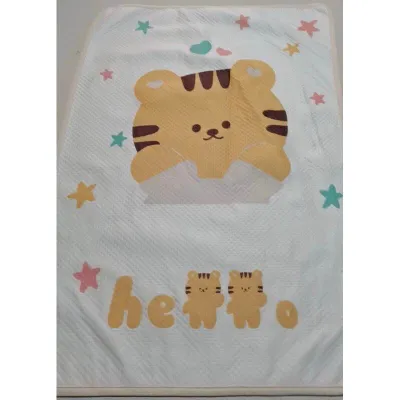
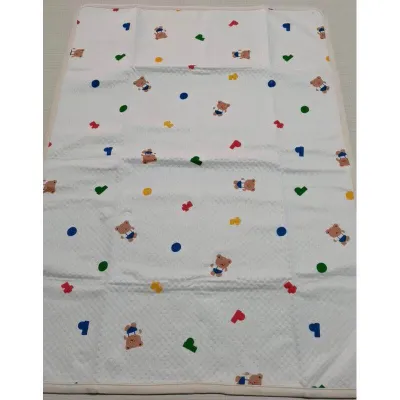
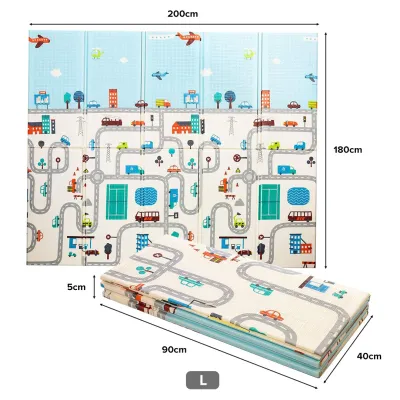
Prices are valid at publication and may change. Please refer to the product page for the latest price.
It is essential to distinguish between genuine safety certifications and generic marketing terms like “eco-friendly” or “natural.” Generic claims are often unregulated and do not guarantee that a product is safe for infant use. Instead, look for recognized independent safety certifications, such as OEKO-TEX Standard 100, REACH compliance, or EN71 safety standards. These certifications indicate that the material has undergone testing for harmful substances, though you should always verify these claims directly on the manufacturer’s official database or product documentation.
Additionally, parents must consider potential allergen exposures when selecting a rubber mat. Natural rubber contains latex proteins, which can trigger allergic reactions in sensitive individuals. Before purchasing, check the product packaging and user manual for explicit latex allergy warnings. If your family has a history of latex sensitivity, or if your baby shows any signs of skin irritation, you may need to opt for medical-grade synthetic rubber or alternative hypoallergenic materials. Always consult a pediatrician if you suspect your child is experiencing an allergic reaction.
Anti-Slip Design and Surface Stability
A changing table mat must remain completely stationary during use to prevent accidental slips and falls. Active babies wiggle, kick, and roll during diaper changes, which can easily displace a lightweight or slick mat. To mitigate this risk, evaluate the bottom texture of the rubber mat before buying. High-quality mats often feature specialized suction cups, heavy-duty rubber ribbing, or high-friction textured patterns on the underside to grip the changing table surface securely.

The top surface of the mat requires equal attention to ensure your baby does not slide around during a change. Look for a mat with a subtle, non-abrasive texture that provides traction without irritating delicate skin. Smooth, glossy rubber surfaces can become incredibly slippery when wet or when baby oils and creams are applied. A matte or lightly textured finish helps keep the baby in place, allowing you to maintain a secure hold throughout the diapering process.
Always review the manufacturer’s instructions regarding surface compatibility and weight limits before installation. Some rubber mats are designed specifically for wooden changing tables, while others may not grip acrylic, metal, or painted surfaces as effectively. Furthermore, ensure that you adhere to the recommended weight limits specified by the manufacturer. Never leave your baby unattended on the changing table, regardless of how secure the anti-slip features of the mat appear to be.
Size Fit and Contoured Edge Protection
Achieving a perfect fit between the rubber mat and your changing table is a fundamental safety requirement. Before making a purchase, use a measuring tape to obtain the exact length, width, and depth of your changing table’s top surface. Compare these measurements directly with the specifications of the rubber mat. The mat must fit snugly within the boundaries of the table without overhanging the edges, as an overhang can cause the mat to tip or slide when weight is applied to the side.
Conversely, a mat that is significantly smaller than the table surface can create dangerous gaps. These gaps present a trapping hazard where a baby’s fingers, toes, or limbs could become wedged. Ideally, the mat should cover the entire designated changing area or fit tightly within the safety rails of your changing table frame. If your changing table has a unique shape or non-standard dimensions, look for a mat specifically designed to match that model.
Contoured or raised edges are another vital feature to look for in a baby rubber mat. Raised side walls provide a physical barrier that helps prevent your baby from rolling off the table during active moments. While these contoured edges offer excellent support, they are not a substitute for active caregiver supervision. Always keep one hand on your baby during diaper changes, and stop using the changing table entirely once your baby reaches the maximum weight limit or developmental milestone indicated by the manufacturer, such as when they can sit up or roll over independently.
Ease of Cleaning and Long-Term Durability
Diaper changes are inherently messy, making ease of cleaning a top priority for any changing table accessory. A high-quality baby rubber mat should be fully waterproof and non-porous, preventing liquids, urine, and diaper creams from soaking into the material. This moisture resistance is particularly important in warm, humid climates like Singapore, where trapped moisture can quickly lead to the growth of mold, mildew, and bacteria.
When evaluating durability, inspect the product description for tear resistance and structural integrity. The rubber should be thick and resilient enough to withstand daily stretching, folding, and wiping without cracking or losing its shape. Avoid mats that feel overly thin or flimsy, as these are more likely to degrade quickly under the stress of daily use and frequent sanitizing.
To maintain the integrity of the rubber over time, always follow the manufacturer’s recommended cleaning methods. Avoid using harsh chemical cleaners, bleach, or abrasive scrubbing pads, as these can break down the rubber compounds, causing the material to become sticky, brittle, or discolored. In most cases, a simple solution of mild baby-safe soap and warm water is sufficient to clean and sanitize the surface. Ensure the mat is completely dry before placing it back on the changing table to prevent moisture from being trapped underneath.
Pre-Purchase Verification Checklist
Before finalizing your purchase of a baby rubber mat, run through this practical checklist to ensure the product meets all safety and functional requirements:
- Measure Twice: Verify the exact dimensions of your changing table and compare them with the mat's specifications to ensure a snug fit with no overhang or large gaps.
- Check Safety Labels: Confirm that the product description explicitly states it is free from BPA, phthalates, and lead, and look for recognized safety certifications.
- Review the Return Policy: Ensure the retailer offers a flexible return policy so you can inspect the mat's physical texture, grip, and odor upon delivery before using it with your baby.
- Inspect for Odor: Natural rubber can have a strong initial scent; verify that any odor dissipates quickly in a well-ventilated area before placing it in the nursery.
- Confirm Weight and Age Limits: Check the manufacturer's documentation to ensure the mat is rated for your baby's current weight and developmental stage.
Frequently Asked Questions (FAQ)
Can I use a standard rubber yoga mat as a changing table pad?
No, using a standard rubber yoga mat as a changing table pad is not recommended. Yoga mats lack the essential contoured or raised edges designed to prevent an infant from rolling off a raised changing surface. Additionally, standard yoga mats are not manufactured under the strict safety regulations applied to baby products. They may contain chemical additives, plasticizers, or flame retardants that off-gas and are unsafe for direct, prolonged contact with sensitive infant skin.
How do I know if my baby is allergic to the rubber mat?
An allergic reaction to a natural rubber mat, typically caused by latex proteins, will manifest as localized skin irritation. Look for observable signs such as redness, hives, swelling, or a dry, itchy rash on the areas of your baby’s skin that made direct contact with the mat. If you observe any of these symptoms, stop using the mat immediately and place a clean cotton barrier over the surface or switch to a different material. Consult a pediatrician promptly for an accurate diagnosis and guidance on safe, alternative materials.

Community discussion
Share your experience or ask a question. Comments are reviewed before publication.