
Selecting the right commercial baby food is a pivotal step in supporting your child’s growth and developmental milestones. Kewpie baby food, a popular choice among busy parents in Singapore, offers a diverse range of products including smooth rice porridges, vegetable purees, mixed meat blends, and soft noodles. Because these offerings span multiple developmental stages, the specific ingredients and nutritional profiles vary significantly from one jar or pouch to another. Rather than relying on general brand assumptions, parents must carefully evaluate the actual ingredient lists and nutrition information panels on individual packages to ensure each meal aligns with their baby’s unique dietary needs and weaning progress.
Evaluating these packaged meals requires a systematic approach to reading labels, understanding the nutritional roles of different food groups, and matching textures to your baby’s oral motor skills. By learning how to decode the packaging, you can confidently navigate the weaning journey while prioritizing safety and balanced nutrition.
How to Read Kewpie Baby Food Ingredient Labels
Deciphering the information on baby food packaging is the most reliable way to understand what your child is consuming. In Singapore, imported baby food products carry English ingredient lists and nutrition information panels that detail the exact composition of the food.
Products mentioned in this guide
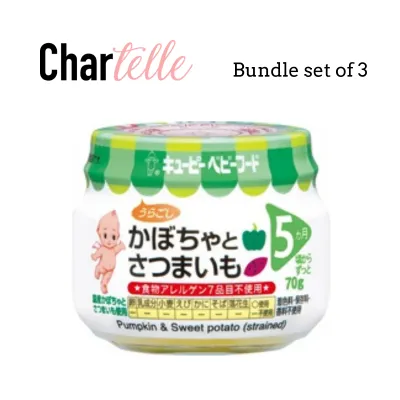
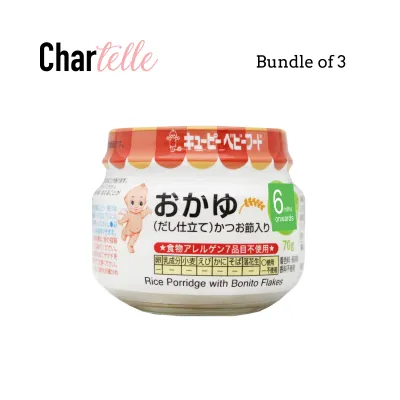
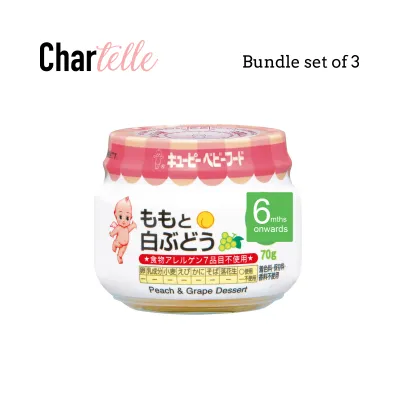
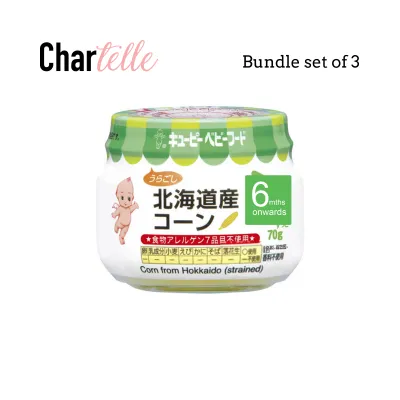
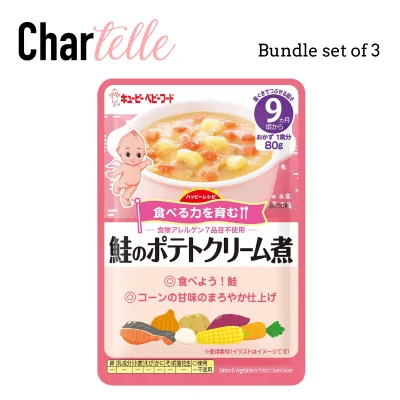
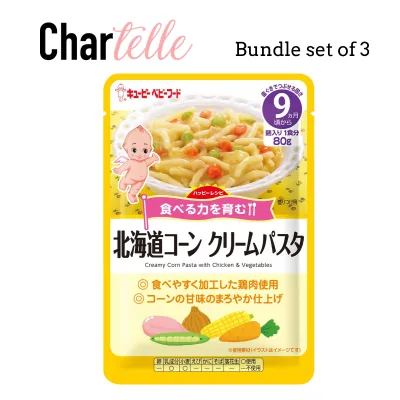
Prices are valid at publication and may change. Please refer to the product page for the latest price.
The first step in reading any ingredient label is to look at the order of the ingredients. Ingredients are listed in descending order by weight, meaning the first few items make up the majority of the product. If a rice porridge lists water and rice as the first two ingredients, followed by a small percentage of vegetables, you know that grains form the primary base of that meal.
Next, examine the nutrition information panel to evaluate the macronutrient profile. Check the declared amounts of proteins, carbohydrates, and fats per serving to ensure they fit into your baby’s daily dietary plan. Pay close attention to the sodium content, especially in savory meals or noodle dishes, as infant kidneys are still developing and require minimal salt intake. Additionally, distinguish between naturally occurring sugars from fruits or vegetables and any added sugars, aiming for products with no added sweeteners.
Allergen identification is another critical aspect of reading labels. Look for dedicated allergen statements or bolded text within the ingredient list that highlights potential triggers such as wheat, soy, dairy, fish, or shellfish. Many Japanese-style baby foods utilize traditional ingredients like soy sauce or dashi broth, which may contain soy, wheat, or fish extracts.
Finally, verify the presence or absence of additives by scanning the entire ingredient list rather than relying solely on front-of-package marketing claims. Look for thickeners, stabilizers, or acidity regulators that might be used to maintain shelf life or texture, and decide if they align with your feeding preferences.
Common Ingredient Categories and Their Nutritional Roles
Commercial baby foods incorporate various food groups to provide a balanced diet. Understanding the nutritional roles of these standard ingredient categories helps you evaluate whether a specific meal supports your baby’s growth requirements.

Carbohydrates and grains serve as the primary energy source for active, growing infants. Ingredients like white rice, brown rice, and wheat noodles are easily digestible and provide the fuel necessary for daily activities. When selecting grain-based meals, check if they are iron-fortified, as an infant’s natural iron stores begin to deplete around six months of age. Grains also contribute dietary fiber, which supports healthy digestion and regular bowel movements.
Proteins are essential for physical growth, tissue repair, and muscle development. Kewpie products often feature animal-based proteins such as chicken, beef, cod, or salmon, as well as plant-based options like tofu and soybeans. Evaluating the protein source and its concentration on the label helps ensure your baby receives the necessary amino acids for healthy development.
Vegetables and fruits are vital sources of essential vitamins, minerals, and antioxidants. Common ingredients like pumpkin, sweet potato, carrots, spinach, and apples provide Vitamin A for vision, Vitamin C for immune support, and potassium for cellular function. Introducing a wide variety of fruits and vegetables early in the weaning process also helps shape your baby’s palate and encourages the acceptance of diverse flavors later in life.
Fats and oils are critical for neurological and brain development during infancy. Some baby food formulations include small amounts of vegetable oils, rapeseed oil, or fish oil to supply essential fatty acids. Checking the label for these healthy fat sources ensures your baby is receiving the concentrated energy and nutrients required for rapid brain growth.
Matching Ingredients to Your Baby's Developmental Stage
As your baby grows, their nutritional needs, digestive capacity, and oral motor skills change. Matching the ingredients and textures of commercial baby food to your child’s developmental stage is crucial for a safe and successful weaning experience.
During the early weaning stage, which typically begins around six months of age, the focus should be on single-ingredient purees or simple, iron-fortified rice cereals. At this stage, the digestive system is still maturing, so foods must be completely smooth, watery, and easily swallowable to minimize choking risks. Introduce one new ingredient at a time, waiting a few days between new foods to monitor for any adverse reactions.
In the middle weaning stage, usually around seven to eight months, you can transition to mixed-ingredient meals with slightly thicker, mashed textures. This is an excellent time to introduce diverse protein sources like tofu, white fish, or chicken blends. The slightly textured consistency encourages your baby to practice chewing and moving food around their mouth using their tongue and gums, which supports jaw development.
By the late weaning stage, typically from nine months onward, babies can handle chunkier textures, soft finger-food shapes, and more complex meals like vegetable-meat stews or soft noodles. These products support self-feeding practice, help refine the pincer grasp, and prepare your child for family meals. The larger pieces of soft vegetables and meats encourage active chewing and jaw coordination.
Always cross-reference the manufacturer’s recommended age indicators and developmental milestones printed on the specific product packaging. These guidelines are designed to match the food’s texture and ingredient complexity with typical infant developmental stages, ensuring a safer feeding experience.
Key Safety and Dietary Checks Before Serving
Prioritizing safety and quality control is essential when serving any commercial baby food. Establishing a consistent checklist helps protect your baby from foodborne illnesses and potential allergic reactions.
Before introducing any new product, perform a thorough allergen verification. Locate the allergen warning box on the packaging to check for ingredients like egg, wheat, milk, soy, or seafood. If your family has a history of food allergies, or if your baby has exhibited sensitive skin or digestive issues, introduce new multi-ingredient meals with caution and monitor your child closely.
Inspect the packaging and storage conditions carefully before serving. In Singapore’s warm and humid climate, improper storage can lead to rapid bacterial growth. Check that the safety button on jar lids is concave and does not pop up before opening, and ensure pouches are not bloated or leaking. Always verify the expiration date. Once opened, strictly follow the manufacturer’s instructions regarding refrigeration, freezing, and reheating, typically consuming any leftovers within 24 hours.
Know when to pause feeding and consult a healthcare professional. If your baby shows signs of an allergic reaction—such as hives, swelling, vomiting, or difficulty breathing—stop feeding immediately and seek medical care. Additionally, consult a pediatrician or registered dietitian if your baby has specific medical conditions, faltering growth, or strict dietary restrictions to ensure their nutritional needs are fully met.
Frequently Asked Questions (FAQ)
Does Kewpie baby food contain added preservatives or artificial colors?
To verify the presence of additives, parents must examine the ingredient list and nutritional label of each specific product. While many baby food lines are formulated without added preservatives, artificial colors, or chemical flavorings to meet strict food safety standards, formulations can vary across different product lines, manufacturing batches, and regions. Always scan the full ingredient list on the physical packaging to confirm the exact composition of the item you purchased.
How do I know if a specific Kewpie product is suitable for my baby's allergies?
To determine allergen suitability, locate the dedicated allergen warning section on the packaging, which highlights common allergens such as egg, wheat, soy, milk, and fish. Because Japanese baby food formulations frequently utilize traditional ingredients like soy sauce, dashi (fish broth), or wheat noodles, careful label reading is essential. If your baby has a known food allergy or if you are introducing a common allergen for the first time, consult a healthcare professional or pediatrician for personalized guidance.

Community discussion
Share your experience or ask a question. Comments are reviewed before publication.