
When preparing for a new addition to your family or upgrading your child’s travel gear, ensuring your car seat complies with local laws is a top priority. If you are considering the Joie i-Spin 360, you are likely looking for a seat that offers both convenience and peace of mind. In Singapore, this car seat is compliant with local traffic regulations, provided the specific unit you purchase carries the recognized international safety certification labels accepted by the Land Transport Authority (LTA) and the Traffic Police.
Because car seats are imported through various channels, including official distributors and parallel importers, you must personally verify the physical labels on the seat. Compliance is not just about the brand name; it is about the specific certification standard stamped on the product’s orange approval sticker. Ensuring your seat matches these legal standards protects your child and keeps you on the right side of the law.
Understanding Singapore's Child Restraint System Laws
Singapore maintains strict regulations regarding child passenger safety to minimize risks on the road. Under the Road Traffic Act, it is illegal for anyone under the height of 1.35 metres to travel in a passenger vehicle without an approved child restraint appropriate for their height and weight. This law applies to all private passenger cars, including rental vehicles and private hire services. The height threshold of 1.35 metres is the primary legal benchmark, as standard vehicle seatbelts are designed to secure adult bodies and can cause severe injury to shorter individuals during a sudden stop or collision.
Products mentioned in this guide
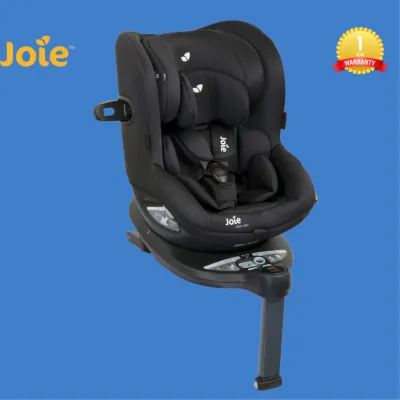
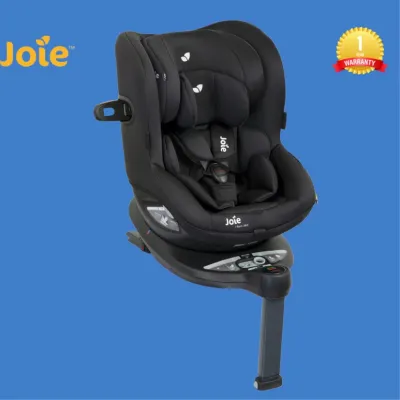
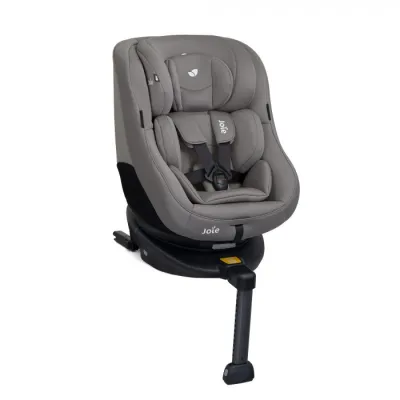
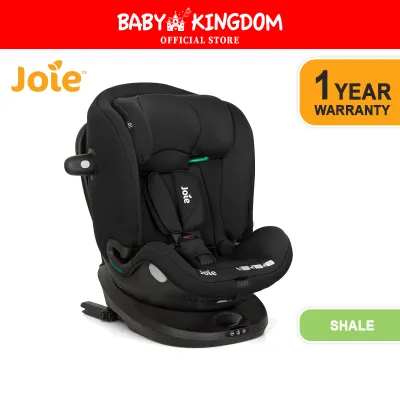
![[Joie] i-Spin 360° Rotation Car Seat 6-Position Grow Together™ Headrest with ISOFIX ECE R129/02 Standard](https://img.lazcdn.com/g/p/dcf87bc88b7dec338e992e8a4fef4ee1.jpg_400x400q80.jpg_.webp)
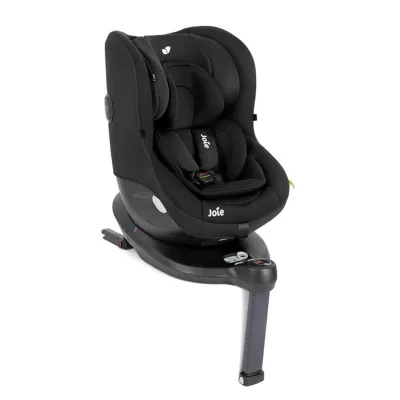
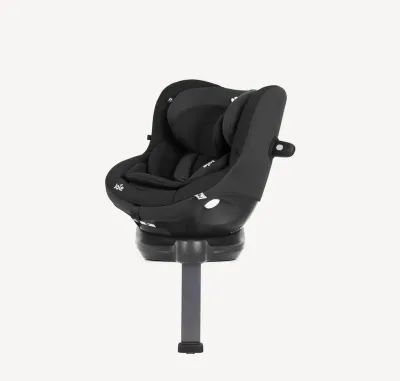
Prices are valid at publication and may change. Please refer to the product page for the latest price.
The Traffic Police and LTA do not issue their own unique safety certifications for car seats. Instead, Singapore recognizes several prominent international safety standards. The most common standard found on compliant seats in local stores is the United Nations Economic Commission for Europe (UN ECE) standard, specifically UN ECE R44/04 or the newer UN ECE R129 (often referred to as i-Size). Other accepted standards include those from the United States (FMVSS 213), Great Britain (BS), and Australia/New Zealand (AS/NZS 1754). Any seat carrying a valid certification mark from these recognized bodies is legally compliant for use on Singapore roads.
It is crucial to understand the legal distinction between an approved child restraint system and unauthorized booster cushions. A compliant child restraint, such as a convertible car seat or an approved high-back booster, is designed to manage crash forces and position the vehicle’s safety belts correctly across a child’s smaller frame. Simple booster cushions that lack proper backrests, side-impact protection, or recognized certification labels do not meet the legal definition of an approved restraint for younger children and may fail to protect them during a collision.
Failure to secure a child under 1.35 metres in an approved restraint can result in composition fines, demerit points, or court prosecution for the driver. Therefore, verifying that your chosen seat complies with one of Singapore’s recognized international standards is a necessary step before installing it in your vehicle.
How to Verify Joie i-Spin 360 Compliance Labels
To confirm that your Joie i-Spin 360 is fully compliant with Singapore’s regulations, you must inspect the physical seat for its official certification labels. Manufacturers place these labels in highly visible areas, typically on the rear or underside of the seat shell, or directly on the ISOFIX base. You should look for a bright orange sticker, which is the universal sign of UN ECE approval.

When reading this orange sticker, pay close attention to the specific approval number and standard format. For the Joie i-Spin 360, the label should display the UN ECE R129 standard, often accompanied by the “i-Size” logo. The label will also feature a circle containing the letter “E” followed by a number, which indicates the country where the seat was tested and certified (for example, E11 represents the United Kingdom, and E4 represents the Netherlands). Below this, you will find a unique multi-digit approval number starting with “02” or “03”, corresponding to the specific revision of the R129 regulation.
The certification label also specifies the approved height and weight ranges for the seat. Because the Joie i-Spin 360 is certified under the R129 standard, it uses child height as the primary classification metric rather than weight. You must verify that the label states the seat is suitable for children from 40 cm to 105 cm in height, with a maximum child weight limit of 19 kg. Using the seat outside of these certified limits invalidates its compliance and compromises your child’s safety.
Finally, you must check the manufacturing date and expiration guidelines to ensure the seat is within its safe usage lifespan. Look for a separate white or silver sticker on the seat shell that displays the exact date of manufacture. While Singapore law does not set a hard legal expiration date for car seats, manufacturers generally recommend replacing seats after seven to ten years from the date of manufacture due to the natural degradation of plastic components over time. Always cross-reference this date with the guidelines provided in your specific product manual.
Evaluating Safety Features Against Local Vehicle Setups
Even a fully compliant car seat cannot protect your child if it is incompatible with your vehicle’s physical configuration. The Joie i-Spin 360 relies on a rigid ISOFIX installation system combined with an adjustable support leg. Before purchasing, you must verify that your vehicle is equipped with dedicated ISOFIX anchor points, which are typically located in the crease between the rear seat backrest and the seat cushion.
The support leg is a critical safety component of the Joie i-Spin 360, designed to minimize forward rotation during a frontal impact. However, some vehicles in Singapore feature underfloor storage compartments in the rear passenger footwells. Placing a support leg on top of a hollow storage compartment cover is highly dangerous, as the cover can collapse under the force of a collision. You must check your vehicle’s owner’s manual to confirm if a support leg can be safely deployed on your rear floorboards.
Another key consideration is the space required for rear-facing installation. The UN ECE R129 standard mandates that children must remain rear-facing until they are at least 15 months old, though safety experts strongly recommend keeping children rear-facing for as long as the seat allows (up to 105 cm for this model). Because the Joie i-Spin 360 rotates 360 degrees, you must ensure your vehicle has enough cabin depth to accommodate the seat in its rear-facing position without forcing the front passenger or driver seats into an uncomfortable or unsafe forward position.
Additionally, you should evaluate the seat’s side-impact protection mechanisms, such as the Guard Surround Safety™ panels. These panels fold outward on the side of the seat closest to the vehicle door to help absorb impact forces. You must verify that your vehicle’s door panels do not obstruct or prematurely compress these safety features when the door is closed, ensuring they can operate exactly as detailed in the product manual.
Purchasing and Installation Checklist for Local Buyers
To guarantee that you are purchasing a genuine, compliant, and safe unit, it is highly recommended to buy only from authorized local distributors or official brand stores in Singapore. Purchasing from unauthorized parallel importers or unverified online marketplaces carries the risk of acquiring seats intended for other regional markets that may lack the necessary UN ECE certification labels, or worse, counterfeit products that have not undergone rigorous safety testing.
When unboxing your seat, verify that it includes a comprehensive English instruction manual and local distributor support contact information. The manual is your primary guide for correct installation, and having access to local customer support ensures you can quickly resolve any questions regarding fitment or replacement parts. If the manual is missing or in a language you do not understand, contact the seller immediately to obtain the correct version before attempting installation.
Before finalizing your purchase, perform a physical fit test in your specific car model. Many local baby gear retailers allow parents to bring a display model to their vehicle to test the installation. During this test, check that the ISOFIX connectors click securely into place, the green installation indicators on the base are fully visible, and the support leg rests firmly on the vehicle floor with no wobbling. This hands-on check ensures the seat is a perfect match for your car’s interior geometry.
Frequently Asked Questions (FAQ)
Can I use the Joie i-Spin 360 in a taxi or private hire car?
In Singapore, public taxis are legally exempt from child restraint requirements, meaning passengers under 1.35 metres can travel in the rear seat using only the vehicle’s seatbelt. However, private hire vehicles (such as Grab or Gojek) are not exempt from this law; any child under 1.35 metres riding in a private hire car must be secured in an approved restraint. While the Joie i-Spin 360 is legally compliant, its heavy weight and reliance on a rigid ISOFIX base and support leg make it highly impractical for quick transfers in and out of taxis or ride-hailing vehicles. For frequent taxi users, a lightweight, seatbelt-installed infant carrier or a portable ride-sharing harness is generally more suitable.
What should I do if the compliance label on my seat is missing or damaged?
If the orange UN ECE compliance label on your Joie i-Spin 360 is missing, torn, or completely illegible, you face both legal and safety risks. Without a visible label, you cannot prove to traffic authorities during a roadside check that your seat meets Singapore’s legal standards, which could result in a fine. Furthermore, a missing label makes it difficult to verify the seat’s history, height limits, or authenticity. You should contact the authorized distributor or the retailer where you purchased the seat to request verification of compliance. If you cannot confirm the seat’s certification or if you suspect it is a counterfeit, you should stop using the seat immediately and replace it with a fully certified model.

Community discussion
Share your experience or ask a question. Comments are reviewed before publication.