
Choosing the right car seat is one of the most critical decisions you will make for your child’s safety and daily comfort. In Singapore’s fast-paced urban environment, where navigating tight parking spaces and hopping in and out of vehicles is a daily occurrence, a 360-degree rotating car seat offers undeniable convenience. The joie 360 spin has emerged as a highly popular option for parents seeking a balance of user-friendly rotation mechanics and accessible pricing. However, determining whether it is the absolute best choice for your family depends on several specific variables, including your vehicle’s physical compatibility, your child’s current development stage, and your overall budget. While premium competitors on the market may offer specialized fabrics or advanced sensor technologies, the joie 360 spin remains a strong, practical contender. Before finalizing your purchase, you must verify the seat’s current safety certification labels (such as i-Size/ECE R129) and confirm ISOFIX compatibility with your specific car model registered in Singapore.
Key Dimensions for Comparing 360-Degree Car Seats
Let’s explore the essential criteria you should use to evaluate any rotating car seat. Swiveling seats are designed to make loading and unloading your child easier on your back, but not all mechanisms are engineered the same way.
Rotation Mechanism and Ergonomics
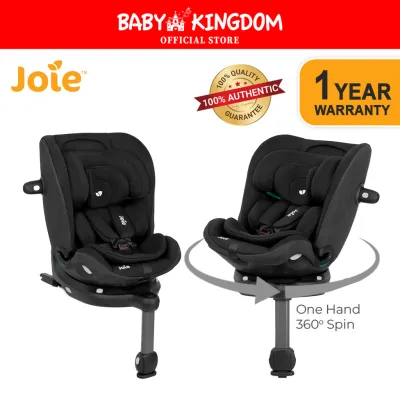
When evaluating a rotating car seat, the ease of the swivel mechanism is paramount. Some seats feature a one-handed rotation trigger located at the front or side of the base, which allows you to turn the seat smoothly even when your other arm is occupied with a sleeping baby or diaper bag. Other models may require a two-handed operation or have release buttons that are more difficult to reach once the seat is installed. You should physically test the rotation mechanism in-store to see how it operates when the seat is fully reclined versus when it is upright. Some rotating seats only allow a full 360-degree spin when they are in specific recline positions, which can add frustration to your daily routine if you have to adjust the angle every time you want to turn the seat toward the car door.
Products mentioned in this guide
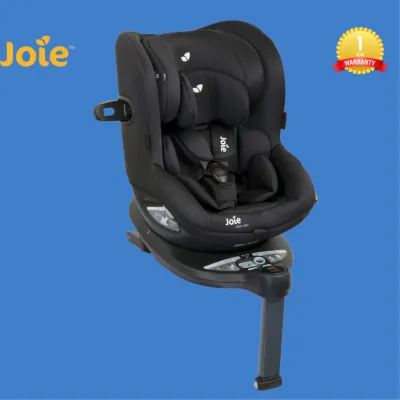
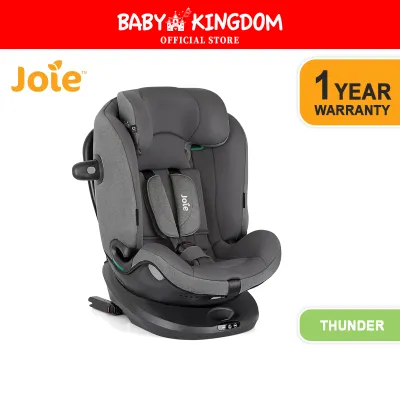
![[Joie] i-Spin 360° Rotation Car Seat 6-Position Grow Together™ Headrest with ISOFIX ECE R129/02 Standard](https://img.lazcdn.com/g/p/dcf87bc88b7dec338e992e8a4fef4ee1.jpg_400x400q80.jpg_.webp)
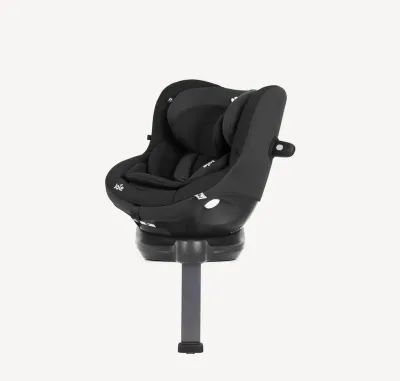
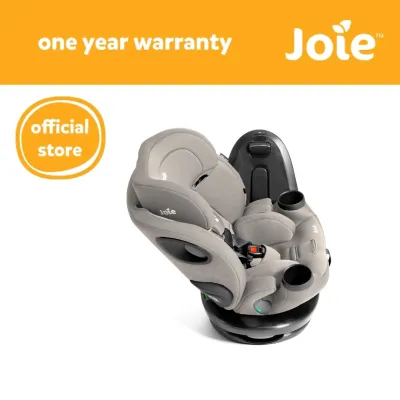
Prices are valid at publication and may change. Please refer to the product page for the latest price.
Installation and Vehicle Fit
Rotating car seats are almost universally heavy and bulky due to the integrated rotation base, making secure installation critical. Most models utilize ISOFIX anchor points combined with a support leg that extends to the vehicle floor to prevent forward rotation during an impact. Before purchasing, you must check the depth of the ISOFIX anchor points in your car seats. In some compact hatchbacks common in Singapore, these anchors may be recessed deeply within the upholstery, making connection difficult. Additionally, you must measure the available cabin space. A rotating seat requires a certain clearance radius to spin freely. If you drive a compact vehicle, a bulky rotating seat may force the front passenger seat to slide so far forward that it becomes unusable. Conversely, family MPVs (multi-purpose vehicles) often provide ample cabin space but may present other challenges, such as under-floor storage compartments that affect the safety of a support leg.
Harness and Adjustments
As your child grows, their car seat must be adjusted frequently to maintain proper safety alignment. A high-quality rotating car seat should feature a no-rethread harness system. This system allows you to adjust the height of the shoulder straps and the headrest simultaneously with a single hand movement, usually via a lever at the top of the headrest. Avoid seats that require you to manually unthread the harness straps from the back of the shell and re-route them through higher slots as your child grows. Manual rethreading is not only time-consuming but also increases the risk of reassembly errors, which can compromise the harness’s effectiveness in a collision. Ensure that the harness adjustment mechanism operates smoothly and that the straps do not twist easily during daily buckling.
Climate Comfort
Singapore’s tropical climate, characterized by high temperatures and humidity year-round, makes ventilation a primary consideration for child comfort. A child who is overheated and sweaty will be distressed, which can distract the driver and make journeys highly stressful. When comparing car seats, look closely at the materials used in the seat covers and shell. Premium models often incorporate deep ventilation channels built directly into the plastic shell, paired with breathable mesh panels and moisture-wicking fabrics. Some seats feature specialized temperature-regulating fabrics that help dissipate body heat. When examining the joie 360 spin and its competitors, inspect the thickness of the padding and the presence of mesh inserts, as these physical features directly impact airflow around your child’s back and head.
Evaluating the Joie 360 Spin: Features and Specs to Verify
To determine if the joie 360 spin is the right fit, you must look closely at its specific engineering, dimensions, and safety features. Rather than relying on generic marketing claims, parents should verify these details on the physical product labels or by consulting the official manufacturer manual.

Age, Height, and Weight Limits
The suitability of any car seat is strictly dictated by your child’s physical measurements rather than their chronological age. You must verify the exact rear-facing and forward-facing limits on the physical label of the specific joie 360 spin variant you are considering. Some variants on the market comply with the older ECE R44/04 standard, which uses weight-based limits (typically up to 18kg for this category). Newer variants are certified under the i-Size (ECE R129) standard, which uses height-based criteria (such as up to 105cm) and requires mandatory rear-facing travel up to at least 15 months. Always check the physical orange approval label on the seat base to confirm which standard applies, and measure your child’s height and weight regularly to ensure they remain within the safe usage boundaries specified by the manufacturer.
Side Impact Protection
Side-impact collisions pose a significant risk to young passengers due to the minimal crumple zone on the sides of a vehicle. When inspecting the joie 360 spin, look for its integrated side-impact protection features. Some models feature built-in energy-absorbing foam layers within the shell, while others utilize external pods or panels that must be manually deployed on the side of the car seat closest to the vehicle door. You must read the product manual to understand how these safety features are activated and ensure they do not interfere with adjacent passengers or the closing of the car door. Never attempt to modify or bypass these integrated safety components.
Recline Angles
A proper recline angle is essential, particularly for newborns who lack head and neck control. If a car seat is installed too upright, a sleeping infant’s head can flop forward, potentially restricting their airway. You should test the recline smoothness of the joie 360 spin in-store. Verify how many recline positions are available in both rear-facing and forward-facing modes. It is also important to install the seat in your vehicle on a trial basis if possible, as the slope of your vehicle’s physical seats can drastically affect the final recline angle. A steep vehicle seat cushion may absorb some of the car seat’s built-in recline, resulting in a more upright position than intended.
Fabric Care and Maintenance
Spills, diaper leaks, and crumbs are inevitable parts of traveling with young children. Cleanliness is vital for hygiene, but you must ensure the cover can be removed without requiring you to completely unthread or dismantle the internal harness system, as dismantling increases the risk of incorrect reassembly. When evaluating the joie 360 spin, check the manufacturer’s instructions regarding how to remove the fabric covers. Verify whether the fabric is machine washable or if it requires hand washing and air drying. Always follow the specific care labels attached to the fabric to prevent shrinking or damaging the flame-retardant properties of the material.
Decision Framework: Which Rotating Car Seat Fits Your Needs?
Making a final decision requires matching your family’s daily lifestyle, vehicle configuration, and long-term expectations against what each car seat offers.
When to Choose the Joie 360 Spin
The joie 360 spin is highly suitable for parents who prioritize a straightforward, reliable, and highly functional rotation mechanism without a premium price tag. If you want a dependable seat that simplifies loading your child into the vehicle and offers robust, standard safety features, this model is an excellent choice. It is particularly well-suited for families with standard vehicle configurations where extreme space constraints are not an issue, and who do not require advanced electronic sensors or specialized luxury textiles. It provides excellent daily utility, making it a highly practical workhorse for urban commuting in Singapore.
When to Choose Premium Competitors
You may want to consider premium competitors if you require highly specialized features. For instance, if your child is exceptionally sensitive to heat, you might prefer a seat that utilizes advanced, ultra-premium temperature-regulating fabrics or features integrated ventilation fans. Additionally, some high-end models offer smart sensor technology built into the chest clip or base, which alerts your smartphone if the cabin temperature becomes too high or if the child unbuckles themselves. Other premium options are designed with exceptionally slim profiles, making them more suitable if you need to fit three car seats across the rear bench of a compact vehicle.
Critical Verifications Before Buying
Regardless of which rotating car seat you choose, there are critical physical compatibility checks you must perform. If your vehicle features under-floor storage compartments in the rear footwells—a feature found in some European MPVs and SUVs—you must verify whether a support leg can be safely deployed. A support leg resting on a hollow compartment lid can break through the plastic cover during a crash, rendering the car seat unstable. Furthermore, check if your vehicle has non-standard ISOFIX anchor depths that might require specific spacers or make installation exceptionally difficult. Always consult your vehicle manufacturer’s manual before making a final purchase.
Safety, Installation, and Maintenance Best Practices
Ensuring your child’s safety goes beyond choosing the right seat; it requires correct installation, daily vigilance, and proper long-term maintenance.
Professional Installation Checks
Even the most advanced car seat cannot protect your child if it is installed incorrectly. Studies consistently show that a high percentage of car seats are installed with errors, such as loose ISOFIX attachments or incorrect support leg tension. It is highly recommended to have your initial installation verified by a certified child passenger safety technician or an authorized baby gear retailer in Singapore. Many local specialty shops have trained staff who can guide you through the process, ensuring that the ISOFIX connectors are fully engaged, the indicators show green, and the support leg is firmly tensioned against the vehicle floor.
Support Leg Warnings
As mentioned, the support leg is a vital safety component that prevents the car seat from tipping forward in a collision. However, deploying a support leg over a hollow under-floor storage compartment is extremely dangerous. If your car manual prohibits placing a support leg over these compartments, you must either find an approved filler material supplied by the vehicle manufacturer or install the car seat in a different seating position, such as the middle seat (if it has ISOFIX and no storage compartment) or a seat without a footwell storage box. Never ignore this warning, as a collapsed support leg dramatically increases the forces exerted on your child’s neck and spine during an accident.
Heat and Sun Exposure Management
Singapore’s intense sun can heat up a parked car’s interior to dangerous levels within minutes. Metal harness buckles, plastic adjusters, and even the synthetic fabrics of the car seat can become hot enough to cause skin burns on a young child. To manage this, always use reflective windshield sunshades when parked outdoors and consider installing window tints or mesh sunshades on the rear passenger windows. Before placing your child in the seat, physically touch the metal harness buckles and plastic components to check their temperature. If they are hot, drape a damp cloth over them or run the car’s air conditioning for a few minutes to cool the cabin down before buckling your child in.
Expiry and Second-Hand Risks
While it may be tempting to purchase a second-hand rotating car seat to save money, child safety experts strongly discourage this practice. Car seats have a strict lifespan—typically six to ten years from the date of manufacture—due to the natural degradation of plastic polymers and energy-absorbing foam when exposed to heat and UV light over time. A pre-owned seat may have been involved in a minor collision, which can cause invisible micro-fractures in the plastic shell that compromise its structural integrity. Furthermore, second-hand seats often lack original manuals, may have missing parts, or may have been washed with harsh chemicals that degraded the harness webbing. Additionally, the complex internal rotation mechanism of a 360-degree seat is subject to wear and tear; if a previous owner forced the mechanism or spilled liquids inside, it may fail to lock securely in a crash.
Frequently Asked Questions (FAQ)
Can I use a rotating car seat in the front passenger seat in Singapore?
In Singapore, traffic regulations generally prohibit children under 1.35 meters from riding in the front passenger seat unless they are secured in an approved child restraint appropriate for their height and weight. However, installing a rotating car seat in the front seat is highly discouraged due to the extreme danger posed by active passenger airbags. If a rear-facing car seat is placed in the front seat and the airbag deploys, the force of the expanding airbag will strike the back of the car seat with immense power, risking fatal head and neck injuries to the child. Therefore, the rear passenger seats remain the only safe and legally compliant location for installing your child’s rotating car seat.
Does the 360-degree rotation mechanism weaken the car seat's safety in a crash?
No, provided the car seat is certified by recognized safety standards and is used correctly. Certified rotating car seats undergo rigorous dynamic crash testing in both their fully locked rear-facing and forward-facing positions to ensure they can withstand extreme impact forces. The rotating mechanism is engineered with heavy-duty locking pins that secure the seat shell to the base. However, the safety of the seat depends entirely on it being fully locked into either the rearward or forward position before the vehicle moves. You must never drive with the seat turned sideways toward the door, as the seat is not designed or tested to protect a child in that orientation. Always listen for the physical click and check the visual indicators to confirm the seat is locked.
How do I clean the Joie 360 Spin without damaging the rotation mechanism?
To clean the joie 360 spin safely, you must only remove and wash the fabric covers according to the specific care instructions on the product labels. Never spray water, liquid cleaners, or chemical solvents directly into the plastic rotation base or onto the ISOFIX connectors. These liquids can wash away the internal lubricants required for smooth rotation, attract abrasive dust and crumbs into the gears, and cause premature rust or degradation of the locking mechanism. If crumbs or dirt accumulate in the base, use a vacuum cleaner with a narrow crevice tool to gently suction out the debris. For the harness straps, spot-clean them only with warm water and mild soap, as submerging or machine-washing the straps can degrade the strength of the synthetic fibers.

Community discussion
Share your experience or ask a question. Comments are reviewed before publication.