
When transitioning your child to a high-back booster seat, you will likely encounter models equipped with ISOFIX connectors. On a booster seat, the ISOFIX system serves a very specific purpose: it anchors the empty car seat directly to your vehicle’s chassis. Unlike infant or toddler car seats where ISOFIX secures both the seat and the child, a booster seat relies on the vehicle’s standard three-point seatbelt to restrain your child. Understanding this distinction is key to choosing the right gear and ensuring your child travels securely on every journey.
What ISOFIX Means for a Booster Seat
In younger child car seats, the ISOFIX system or internal harness bears the load of restraining the child during a sudden stop. On a booster seat, however, the mechanical role changes completely. The primary job of the ISOFIX connectors is to anchor the physical booster seat to the vehicle’s frame, keeping it firmly in place even when it is unoccupied.
Without this connection, an empty booster seat sits loose on the passenger seat. In the event of a collision or sudden braking, an unsecured empty seat can slide forward and become a heavy projectile, potentially injuring other passengers in the vehicle.
Products mentioned in this guide
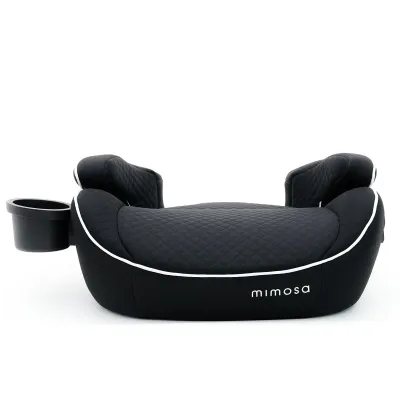
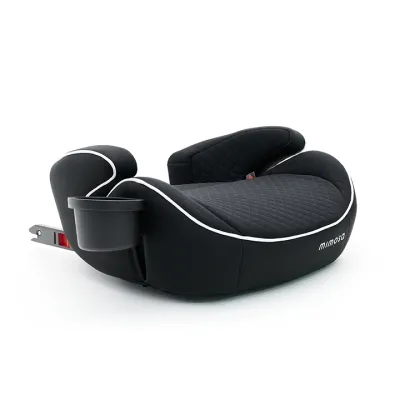
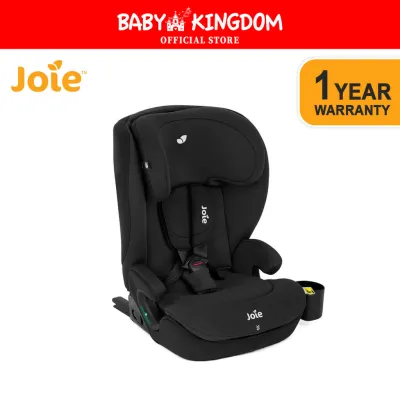
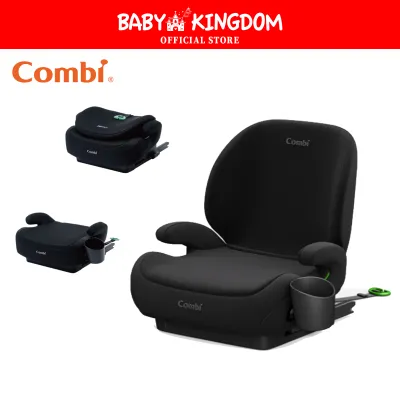
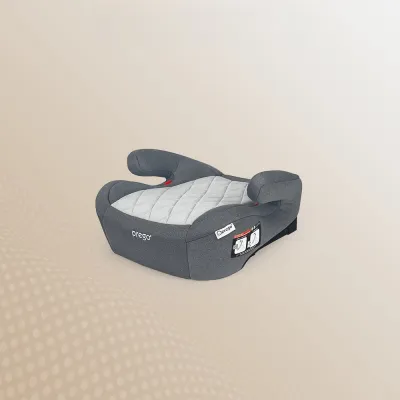
![[Joie] i-Chapp™ FX ISOFIX Backless Booster Seat - Raven](https://img.lazcdn.com/g/p/d7686fb6d1829787677d6a3535ff1e60.jpg_400x400q80.jpg_.webp)
Prices are valid at publication and may change. Please refer to the product page for the latest price.
It is crucial to understand that the ISOFIX connectors do not restrain your child. When your child sits in the booster seat, you must secure them using the vehicle’s standard three-point seatbelt. The seatbelt runs across the child’s shoulder and pelvis, performing the actual work of restraining their body during a crash.
Depending on the booster seat model, you may encounter different types of connectors. Some seats feature rigid metal ISOFIX arms that slide out and click directly into the vehicle’s anchor points. Other models use flexible webbing straps with connectors at the ends, often referred to as soft latches. You should check your specific booster seat’s product documentation to identify which connection style it uses and how to operate it.
ISOFIX vs. Seatbelt Installation: Safety and Convenience
Choosing between an ISOFIX booster seat and a seatbelt-only model often comes down to daily convenience and ease of installation. One of the main advantages of an ISOFIX system is the reduction of installation errors. Because the connectors click directly into fixed anchor points in the car, there is less risk of routing the seat incorrectly compared to threading a seatbelt through complex paths.

From a convenience standpoint, ISOFIX makes daily travel simpler. Once you click the booster seat into the vehicle’s anchors, it remains securely attached to the car. If your child is not riding with you, you do not need to worry about buckling the empty seat back in to keep it from sliding around. With a seatbelt-only booster, you must remember to buckle the empty seat every time your child gets out, which can be easy to forget during busy school runs.
When it comes to crash safety performance, both installation methods are designed to meet strict regulatory standards. A seatbelt-only booster seat and an ISOFIX-secured booster seat can both provide excellent protection, provided they are installed and used exactly as specified in their respective instruction manuals. The safety of either system ultimately depends on achieving a proper seatbelt fit across your child’s collarbone and hips.
How to Check Compatibility and Install Correctly
Before purchasing an ISOFIX booster seat, you must verify that your vehicle is compatible. Not all seating positions in every car are equipped with ISOFIX anchor points, which are typically located in the crevice between the vehicle seat back and the seat cushion. You should consult your vehicle’s owner manual to locate these anchors and check for any specific weight limits or compatibility warnings.
The physical installation process generally involves extending the booster seat’s connectors and aligning them with the vehicle’s anchor points. Push the seat back firmly until you hear an audible click. Most modern ISOFIX booster seats feature visual indicators, such as color-coded tabs that turn from red to green, to confirm that the connection is locked securely.
Always read both the booster seat instruction manual and your vehicle’s manual thoroughly before installation. If you encounter conflicting instructions, or if you are unsure whether the seat is fitted correctly, stop using the setup and consult a certified child passenger safety technician or a qualified professional.
When to Choose an ISOFIX Booster Seat
An ISOFIX booster seat is often the ideal choice for families who value quick, error-free installation and peace of mind. If you frequently move the booster seat between different family cars, or if multiple caregivers like grandparents or babysitters handle the installation, the straightforward click-in mechanism reduces the likelihood of mistakes. It is also highly practical if your child frequently rides in the car but also leaves the seat empty for long stretches of your commute.
Conversely, a seatbelt-only booster seat may be perfectly suitable for your needs under certain conditions. If the booster seat will remain permanently installed in one vehicle, the convenience of quick removal becomes less important. Additionally, if you are working within a strict budget, or if you drive an older vehicle model that does not feature built-in ISOFIX anchor points, a seatbelt-only model is a practical and safe alternative when installed correctly.
Regardless of which installation method you choose, you must ensure your child is developmentally ready for a booster seat. Always verify your child’s current height and weight against the manufacturer’s specified limits. A child should only transition to a booster seat once they have outgrown their forward-facing harnessed seat and can sit properly for the entire ride without slouching or pulling the seatbelt out of position.
Frequently Asked Questions (FAQ)
Can I use an ISOFIX booster seat in a car without ISOFIX anchors?
Many booster seats equipped with ISOFIX connectors are designed with a dual-installation option, allowing you to tuck the connector arms away and secure the seat using only the vehicle’s seatbelt. However, you must verify this capability in your specific booster seat’s product manual before attempting it. Never attempt to force or rig the ISOFIX connectors to any part of a vehicle that lacks designated, factory-installed ISOFIX anchor points.
Does ISOFIX make a booster seat safer in a crash?
An ISOFIX connection does not change how your child is restrained, as the vehicle’s three-point seatbelt still performs the job of holding the child in place during a crash. Both ISOFIX and seatbelt-only booster seats must meet the same rigorous safety standards to be sold. The primary safety benefit of ISOFIX is that it reduces the risk of incorrect installation and keeps the empty seat secure, but a correctly installed seatbelt-only booster provides equivalent protection for the child.

Community discussion
Share your experience or ask a question. Comments are reviewed before publication.