
When searching for a reliable ISOFIX car seat in Singapore, parents often look for a definitive list of approved brands. However, safety compliance is determined by specific certification standards rather than a single brand registry. While many reputable global manufacturers design car seats with ISOFIX systems, verifying that a specific model meets local safety regulations—such as ECE R44/04 or the newer ECE R129 (i-Size)—requires checking physical labels and purchasing through authorized channels. This guide will help you navigate the regulatory landscape, verify certifications, and make a safe, informed purchase for your child.
In Singapore, the Traffic Police and the Land Transport Authority do not maintain an exclusive list of approved brands. Instead, they recognize international safety standards. This means any brand’s car seat is legally compliant and approved for use on Singapore roads as long as that specific model has undergone rigorous testing and bears the official certification mark from recognized standards bodies. Understanding how to identify these marks is the most reliable way to ensure your child’s safety and remain compliant with local laws.
Understanding Singapore's Car Seat Safety Regulations
Under the Road Traffic Act in Singapore, it is mandatory for passengers under 1.35 metres in height to be properly secured with an approved child restraint appropriate for their height and weight when travelling in a vehicle. This law applies to all private vehicles, including private hire cars, though taxis are currently exempt from this specific requirement. Failing to secure a child properly not only carries legal penalties, including fines and demerit points for the driver, but also significantly increases the risk of severe injury during a collision.
Products mentioned in this guide
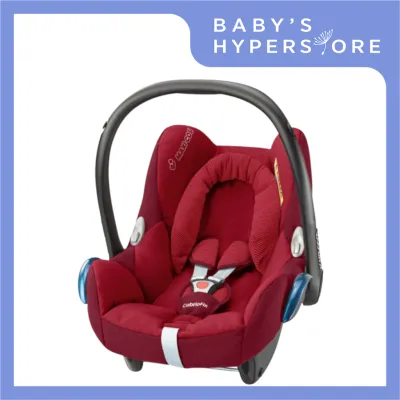
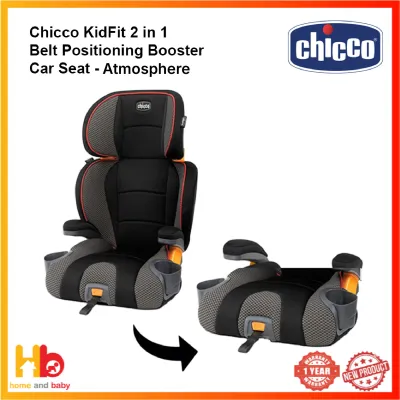
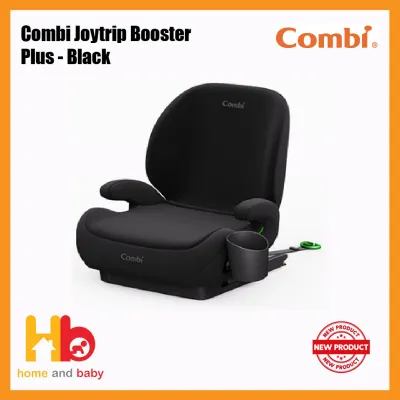
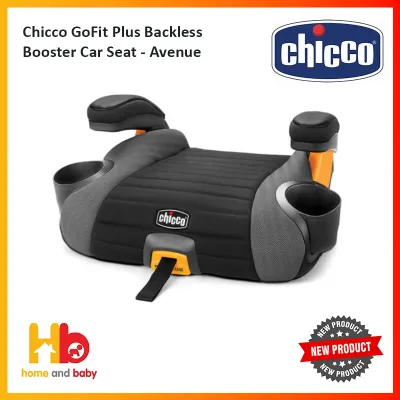
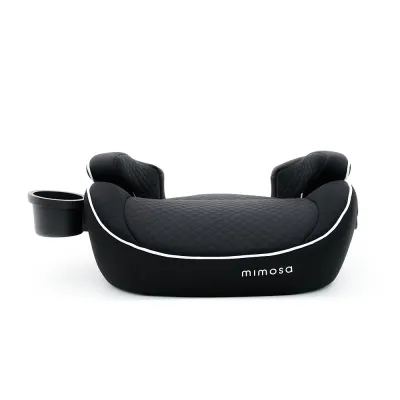
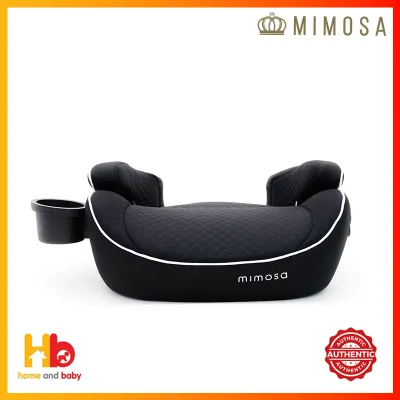
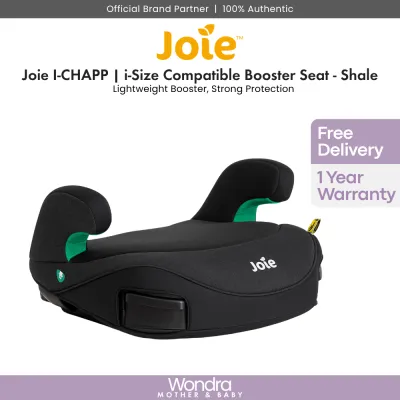
Prices are valid at publication and may change. Please refer to the product page for the latest price.
To be considered approved under Singapore regulations, a child car seat must comply with recognized international safety standards. The most common standards accepted in Singapore are those established by the United Nations Economic Commission for Europe (UNECE). Historically, the ECE R44/04 standard has been the baseline benchmark. This standard categorizes car seats into weight-based groups and tests seats for frontal and rear impacts.
The newer and more stringent standard is ECE R129, often referred to as i-Size. This standard represents a significant advancement in child passenger safety. Unlike the older weight-based system, ECE R129 classifies car seats based on the child’s height, which makes it easier for parents to choose the correct seat size and avoid transitioning their child to a larger seat too early. Furthermore, ECE R129 mandates side-impact testing, requires children to remain rear-facing until they are at least 15 months old, and ensures better compatibility with vehicle seats.
It is important to clarify that ISOFIX itself is not a safety certification. ISOFIX is an international standard for attachment points in passenger cars, designed to allow child seats to be secured directly to the vehicle’s chassis without using the adult seat belt. While an ISOFIX system makes installation much simpler and reduces the likelihood of human error, the car seat itself must still carry a valid ECE R44/04 or ECE R129 crash-test approval to be legally compliant and safe.
How to Verify ISOFIX Certification and Safety Labels
Verifying whether an ISOFIX car seat is approved and genuine requires a physical inspection of the product’s safety labels. Every compliant car seat sold in Singapore must feature an orange ECE approval label, which is typically affixed to the back or underside of the seat shell. This orange sticker is the definitive proof of testing and compliance, and parents should never purchase a car seat that lacks this label.

When examining the orange label, look for key pieces of information that confirm its validity. At the top of the label, you will find the specific standard version, such as ECE R44/04 or R129. Below this, the label will display the category of use, such as Universal (meaning it fits most cars) or Semi-Universal (which may require checking a vehicle compatibility list, often the case with ISOFIX seats that use a support leg). The label also features a circle containing the letter E followed by a number, which represents the country that granted the approval.
Additionally, the label specifies the weight or height limits for which the seat is certified. For an ECE R129 seat, this will be displayed as a height range in centimetres, along with a maximum child weight limit. The label will also include a unique approval number and serial number, which can be used to cross-reference the product’s authenticity with the manufacturer’s official documentation.
Beyond the orange label, you should inspect the physical ISOFIX connectors on the car seat base. Genuine ISOFIX seats feature robust, steel locking arms that extend from the rear of the seat or base. These arms should smoothly click into the ISOFIX anchor points located in the crease of your vehicle’s rear seats. Many certified seats also include visual indicators—such as color-changing tabs that turn from red to green—to confirm that the connectors have locked securely onto the vehicle’s anchors. If the connectors feel flimsy, lack clear locking mechanisms, or do not align with standard vehicle anchors, the seat may be a non-compliant imitation.
Key Features to Check When Choosing an ISOFIX Car Seat
Once you have confirmed that a car seat carries the necessary safety certifications, you can evaluate secondary features to find the best fit for your family’s needs. The first consideration is the seat’s size classification and longevity. If you opt for an ECE R129 (i-Size) seat, check the specified height range to ensure it accommodates your child’s current height and offers sufficient room for growth. Some convertible car seats are designed to adapt from infancy through early childhood, while others are specialized for specific developmental stages.
Safety is further enhanced by advanced protective features built into the seat’s design. Look for models that incorporate dedicated side-impact protection systems, which are designed to absorb and redirect crash forces away from the child’s head and neck. Adjustable headrests and harness systems are also crucial, as they allow you to maintain a precise, secure fit as your child grows. Additionally, multiple recline positions can improve comfort during long drives and prevent an infant’s head from tipping forward while sleeping.
The ease of installation is a critical factor in preventing misuse. Even the most advanced car seat cannot provide optimal protection if it is installed incorrectly. When choosing an ISOFIX seat, prioritize models that feature intuitive installation aids. This includes clear color-coded guides, audible click indicators, or electronic indicator panels that confirm the ISOFIX arms, support leg, or top tether are correctly positioned and tensioned.
Finally, consider the physical compatibility of the car seat with your specific vehicle. While ISOFIX is a standardized system, the physical shape of your car’s seats, the angle of the seat cushion, and the location of the anchor points can affect how the car seat fits. Some vehicles have deeply recessed anchors that make connection difficult without plastic guide inserts, while others may have floor storage compartments that prevent the safe use of a support leg. Checking the manufacturer’s vehicle fitting list before purchasing is an essential step to ensure a secure installation.
Where to Buy and How to Avoid Non-Compliant Products
To guarantee that you are purchasing a genuine, approved ISOFIX car seat, it is vital to select reliable retail channels. Prioritize authorized brand boutiques, established physical mother-and-baby specialty stores, and official brand flagship stores on major ecommerce platforms. These retailers work directly with authorized local distributors, ensuring that the products they sell meet Singapore’s regulatory standards and have not been subjected to improper storage or handling.
Parents should remain vigilant against red flags that indicate non-compliant, counterfeit, or unsafe products. Be highly skeptical of car seats sold at unusually low prices on online marketplaces, especially those shipped directly from overseas sellers with no local presence. Other warning signs include missing or poorly printed orange ECE labels, spelling errors on the packaging or instruction manuals, flimsy plastic components, and thin, low-quality fabric or stitching. If a deal seems too good to be true, it is highly likely that the product has not undergone any legitimate crash testing.
Purchasing through authorized local channels also provides essential post-purchase support. When you buy from an authorized retailer, you receive a valid local warranty that protects you against manufacturing defects. More importantly, it allows you to register the product with the local distributor. This registration ensures that you will be contacted immediately in the event of a safety recall or product update, allowing you to take swift action to keep your child safe. Always retain your physical receipt or digital proof of purchase as a record of your transaction.
Frequently Asked Questions (FAQ)
Can I use an ISOFIX car seat bought overseas in Singapore?
Yes, you can legally use an overseas-purchased ISOFIX car seat in Singapore, provided that the specific model carries a recognized international safety certification, such as the ECE R44/04 or ECE R129 standard. However, importing a car seat independently carries several practical risks. Parallel-imported seats often lack local warranty coverage, meaning you will have no recourse if a component breaks or malfunctions. Additionally, you may miss critical safety recall notifications from the manufacturer, as local distributors only track units sold through authorized domestic channels. There is also a risk that the overseas model may have slight design variations that make it incompatible with vehicles sold in the local market.
Do all cars in Singapore support ISOFIX anchors?
While the vast majority of modern passenger cars registered in Singapore are equipped with ISOFIX anchor points, they are not universally present in every vehicle. ISOFIX became a standard feature in most passenger vehicles manufactured after 2013, but older car models, some commercial vehicles, and certain budget-friendly imports may lack these anchors. To confirm if your vehicle has ISOFIX, look for physical plastic guides or fabric labels with the ISOFIX logo along the crease between the rear seat backrest and the seat cushion. You can also consult your vehicle’s owner manual, which will detail the location of the anchors and any specific weight limits associated with them. If your car does not have ISOFIX, you must use a car seat certified for seat belt installation, which is equally safe when installed correctly.
Is ISOFIX safer than seat belt installation?
From a pure crash-test perspective, both ISOFIX and seat belt installations are capable of providing excellent protection, and both methods must pass the same rigorous safety standards to receive ECE certification. However, the primary safety advantage of ISOFIX lies in its ease of use. Studies consistently show that seat belt installations are highly prone to human error, such as loose routing, twisted straps, or incorrect lock-offs. ISOFIX significantly reduces these risks by providing a rigid, direct connection to the vehicle’s chassis that is simple to lock into place. Therefore, while a perfectly installed seat belt seat is highly safe, ISOFIX is often considered safer in real-world scenarios because it dramatically minimizes the risk of incorrect installation by parents and caregivers.

Community discussion
Share your experience or ask a question. Comments are reviewed before publication.