
Deciding when to transition your toddler from diapers to the toilet is a major early childhood milestone. While it is tempting to circle a specific date on the calendar, successful potty training depends entirely on developmental readiness rather than chronological age. Forcing the process before your child is physically and emotionally prepared often leads to prolonged power struggles, frustration, and unnecessary setbacks.
By observing your toddler’s daily habits, physical coordination, and communication cues, you can identify the optimal window to begin. In Singapore’s warm climate, managing light, easy-to-remove clothing can make the transition smoother, but internal developmental signals remain the ultimate guide. Recognizing these signs early allows you to build a supportive, low-pressure environment that fosters your child’s independence.
Physical and Cognitive Signs of Potty Training Readiness
Before a toddler can successfully use the toilet, their body must develop the necessary physiological control and cognitive awareness. One primary physical indicator is bladder and bowel control. If your child stays dry for at least two consecutive hours during the day, or wakes up dry from an afternoon nap, their bladder muscles are maturing. Additionally, having predictable, regular bowel movements indicates that their digestive system is settling into a manageable routine.
Products mentioned in this guide






![[SG Ready Stock] 6-Layer Toilet Training Pants / Reusable Diaper / Toilet Potty Training Pants](https://img.lazcdn.com/g/ff/kf/Sea051da743f44d559f6bb9767a2d02f39.jpg_400x400q80.jpg_.webp)
Prices are valid at publication and may change. Please refer to the product page for the latest price.
Physical awareness of the urge to eliminate is another critical milestone. Toddlers often display distinct, observable behaviors when they are about to go or are actively filling their diaper. You might notice your child quiet down, walk to a quiet corner, hide behind furniture, squat, or grunt. These actions demonstrate that they are connecting the internal physical sensation of elimination with the external result, which is a prerequisite for learning to use the toilet.
Cognitive readiness involves the ability to process instructions and communicate physical needs. Your child should be able to understand and follow simple, multi-step directions, such as picking up a toy and placing it in a basket. They also need the vocabulary or non-verbal gestures to express their bodily functions. Whether they say “pee,” “poop,” or point to the bathroom, being able to signal their needs to a caregiver before the event occurs is essential for timely toilet visits.
Furthermore, basic motor skills are required to navigate the bathroom safely. Your toddler should be able to walk steadily to the bathroom, sit down on a potty chair with minimal assistance, and stand back up. They also need the manual dexterity to pull their pants down and up, which is why simple, elastic-waist trousers are highly recommended during this learning phase.
Behavioral and Emotional Readiness Signals
Even if a child is physically capable, emotional willingness and behavioral interest play an equally vital role in potty training success. A clear sign of readiness is a growing curiosity about the bathroom and toilet habits of other family members. If your toddler follows you into the bathroom, asks questions about the toilet, or shows interest in how the flush works, they are mentally processing the concept of toilet use.

Another strong behavioral motivator is a desire for independence and a growing dislike of dirty diapers. Many toddlers reach a stage where they actively complain about a wet or soiled diaper, tug at it, or ask to be changed immediately. This discomfort is a highly positive sign, as it indicates they prefer the feeling of being clean and dry, which you can leverage to encourage toilet use.
A toddler’s general drive for autonomy, often expressed through the phrase “I do it myself,” can also be channeled into potty training. When your child shows pride in mastering new skills—like putting on shoes or clearing their plate—they are more likely to view using the potty as an exciting milestone rather than a chore. This intrinsic motivation makes them much more cooperative during the learning process.
Finally, look for a willingness to sit on a potty chair or toilet transition seat without immediate resistance. If your child is comfortable sitting quietly for a few minutes to look at a book or play with a toy, they possess the attention span and emotional regulation needed for scheduled potty breaks. If they scream, panic, or refuse to sit down, it is a clear sign that they are not yet emotionally prepared.
When to Pause or Delay Potty Training
Potty training requires a stable, predictable environment, as major life changes can easily disrupt a toddler’s sense of security and cause significant regression. If your family is currently navigating a major transition, it is highly advisable to delay starting the process. Common disruptions include moving to a new home, welcoming a newborn sibling, transitioning to a new childcare center or infant care, or dealing with family stress. Waiting until routines have stabilized for a few weeks will save you and your child from unnecessary frustration.
It is also crucial to watch for signs of severe anxiety, fear, or physical withholding. Some children develop a fear of the toilet itself, often triggered by the loud sound of the flush or the fear of falling into the water. If a child begins to hold in their stool or urine to avoid using the potty, this can lead to painful constipation, which further worsens the fear. If you observe your child withholding, experiencing painful bowel movements, or showing intense anxiety, stop the training immediately and consult a pediatrician or healthcare professional for guidance.
Remember that pausing potty training and returning to diapers temporarily is not a failure. It is a supportive, responsive parenting decision that respects your child’s developmental pace. Forcing a child who is strongly resisting or experiencing regression will only prolong the process and create negative associations with the bathroom. Put the potty away for a few weeks, maintain a neutral attitude, and reintroduce it when your child shows renewed interest.
Next Steps If Your Toddler Shows Readiness
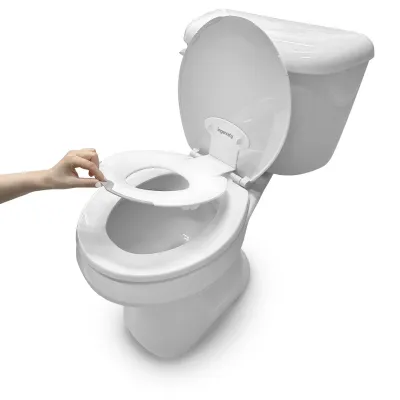
Once you have verified that your child displays a combination of physical, cognitive, and behavioral signs, you can begin preparing the environment. Start by choosing the right equipment for your home. You can opt for a standalone potty chair or a transition seat that fits securely over your existing adult toilet bowl. When selecting these items, always check the manufacturer’s guidelines regarding weight limits, age recommendations, and installation instructions to ensure stability and safety.
If you choose a transition seat for an adult toilet, a sturdy toddler step stool is essential. The step stool allows your child to climb up independently and, more importantly, provides a solid surface to support their feet while sitting. Having their feet flat on a surface helps toddlers stabilize their core and position their pelvis correctly, making bowel movements much easier and more comfortable. Ensure the step stool has a non-slip base and matches the height of your toilet.
Establish a consistent, low-pressure bathroom routine to build familiarity. You can encourage your child to sit on the potty at predictable times, such as immediately after waking up, after meals, or before bath time. Keep these sessions short—usually no more than three to five minutes—and focus on making the experience positive and relaxed.
To support your toddler’s independence, transition them into easy-to-remove clothing. Avoid overalls, tight buttons, snaps, or complicated belts that can cause accidental delays when your child needs to go quickly. Simple cotton shorts or pants with elastic waistbands are ideal. You may also consider introducing training pants, which offer some absorbency for minor leaks while allowing your child to feel the sensation of wetness, helping them connect the cause and effect of using the toilet.
Frequently Asked Questions (FAQ)
Is there a specific age when all toddlers are ready for potty training?
There is no universal age at which all children are ready to start potty training. While many toddlers begin showing readiness signs between 18 and 30 months of age, some may not be fully ready until they are closer to three years old or even older. Development varies widely from child to child, and forcing training based solely on age rather than developmental milestones can lead to prolonged resistance. It is far more effective to focus on your individual child’s physical, cognitive, and emotional cues rather than comparing their progress to peers.
Should I start potty training if my child is only showing one or two signs?
It is generally best to wait until your child displays a consistent combination of physical, cognitive, and behavioral signs before fully committing to potty training. If your toddler only shows one or two isolated signs—such as staying dry during naps but showing zero interest in the toilet or refusing to sit on a potty—starting too early can lead to frustration and power struggles. Instead, use these early signs as an opportunity to gently introduce toilet concepts, such as reading books about the potty or talking about how family members use the bathroom, while waiting for further developmental milestones to align.

Community discussion
Share your experience or ask a question. Comments are reviewed before publication.