
Your child is ready to transition to a booster seat only when they have fully outgrown their forward-facing harnessed car seat by height or weight, meet the minimum physical requirements of the new booster, and possess the behavioral maturity to sit properly for every single car ride. Many parents view this transition as a milestone to rush, often relying solely on age. However, moving a child to a booster seat too early is a common safety mistake that significantly increases the risk of injury in a collision.
A booster seat operates differently from a harnessed seat. Instead of using a built-in five-point harness to secure the child, a booster simply raises the child up so that the vehicle’s adult seat belt fits across the strongest parts of their skeletal frame. Because of this, physical size and behavioral readiness must both be met before making the switch. If your child cannot remain in the correct position for the entire journey, they are not ready for a booster.
The 3 Core Criteria for Booster Seat Readiness
Transitioning to a booster is not a decision based on a birthday. Instead, you must evaluate three non-negotiable criteria before making the change. If your child fails to meet even one of these pillars, they must remain in their forward-facing harnessed car seat.
Products mentioned in this guide
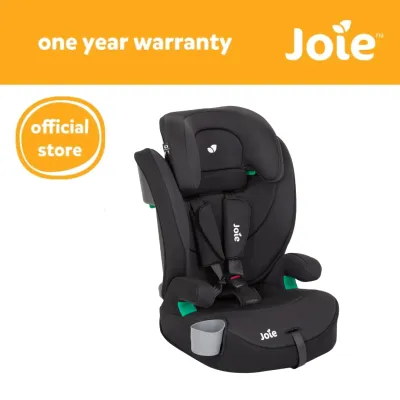
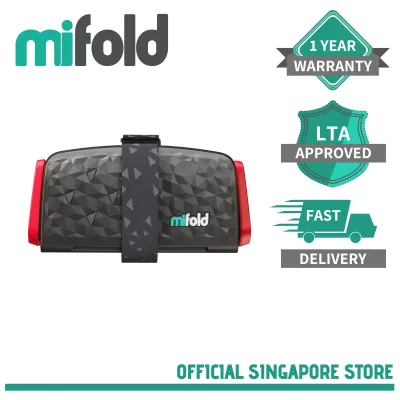
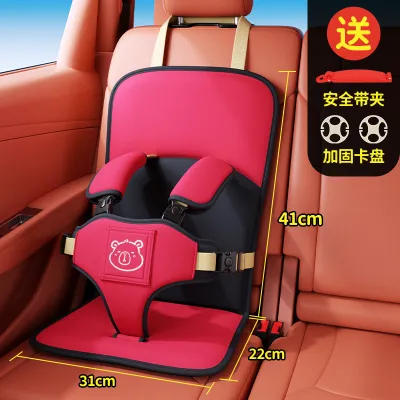
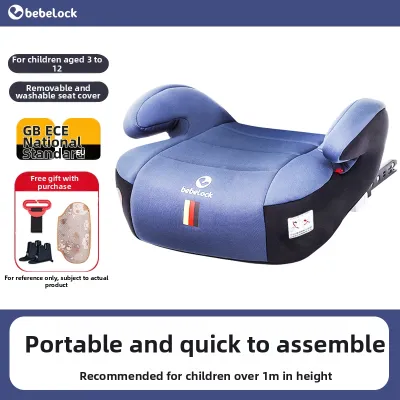
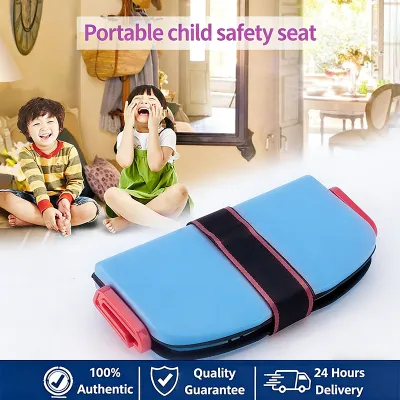
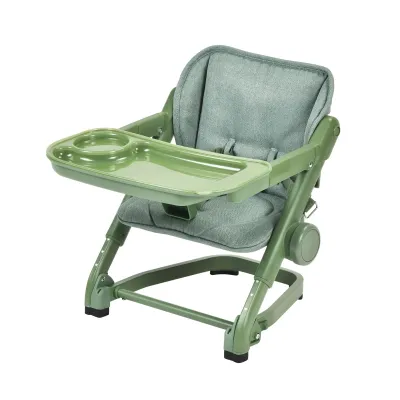
Prices are valid at publication and may change. Please refer to the product page for the latest price.
First, your child must completely outgrow their current forward-facing harnessed seat. This occurs when they reach the maximum weight or height limit specified by the car seat manufacturer. Many modern harnessed seats accommodate children up to 22 or even 30 kilograms, meaning children can often remain in a harness much longer than parents realize.
Second, your child must meet the minimum physical requirements of the new booster seat. Every booster model has its own strict minimum height and weight thresholds, which you must verify in the product manual. Placing a child who is too small into a booster prevents the seat belt from routing correctly, which can cause severe injury during a sudden stop.
Third, your child must possess the behavioral maturity to sit correctly without supervision. Unlike a five-point harness that physically restrains a child, a booster relies entirely on the child’s ability to sit still. They must not slouch, lean over to grab a toy, put the shoulder belt under their arm, or pull the lap belt up over their stomach.
Step 1: Check if Your Child Has Outgrown Their Forward-Facing Seat
To determine if it is time to move on from a forward-facing harnessed seat, you must inspect your current car seat’s limits. Do not rely on generic age recommendations or compare your child to their peers. Every car seat model is engineered with unique structural limits that dictate when the harness is no longer safe.

Search for the manufacturer’s sticker on the side or back of your car seat shell. This label lists the specific weight and height ranges allowed for each configuration of the seat. If the sticker has worn off, consult the digital or physical user manual for your exact model. Pay close attention to the maximum weight limit for the internal harness, as this is often different from the limit of the seat shell itself.
Next, evaluate the “harness height” rule. For a forward-facing car seat, the harness straps must emerge from the seat back at or above the child’s shoulders. If your child’s shoulders have grown higher than the topmost harness slots, the harness can no longer properly distribute crash forces.
You must also check the “head height” rule. Look at where the top of your child’s ears sit relative to the car seat shell. If the tops of their ears are level with or higher than the top of the hard plastic shell—or the highest position of the adjustable headrest—your child has outgrown the seat’s height capacity.
If your child has not yet reached these limits, keep them in the harnessed seat. A five-point harness is structurally superior at protecting vulnerable bodies in a crash because it secures the child at the shoulders and hips, distributing impact forces across a wider, stronger surface area.
Step 2: Assess Your Child's Maturity and Behavioral Readiness
Even if your child is physically large enough to sit in a booster, they may not be developmentally ready. A booster seat relies entirely on the vehicle’s three-point seat belt to restrain the passenger. If your child moves out of position, the seat belt cannot do its job, leaving them vulnerable to severe injury.
Before purchasing a booster, observe your child’s behavior over several weeks of driving. Use this checklist to evaluate their maturity:
- Sitting Position: Your child must sit with their back and bottom completely flat against the back of the seat for the entire ride.
- Leg Position: Their knees should bend comfortably over the edge of the booster or vehicle seat cushion without causing them to slouch forward.
- Shoulder Belt Placement: The shoulder belt must rest flat across the center of their collarbone and shoulder. It should never rub against their neck or slip down off their arm.
- Lap Belt Placement: The lap belt must sit low across their upper thighs and pelvic bones, never riding up onto the soft tissue of the abdomen.
- Self-Control: Your child must remain in this exact position without leaning sideways, slouching when tired, playing with the seat belt, or unbuckling themselves mid-trip.
Maturity is a critical safety factor because of pediatric anatomy. Young children have soft, rounded hip bones that are not yet fully developed. If a child slouches, the lap belt easily slides upward off the pelvis and onto the soft abdomen. In a collision, this can cause “seat belt syndrome,” resulting in severe internal organ damage and spinal injuries.
If your child frequently falls asleep and slumps over, plays with the seat belt, or leans out of their seat to look out the window, they must remain in a five-point harness. The harness keeps them securely positioned even when they lack the self-control or physical strength to hold themselves upright.
Step 3: Choose Between a High-Back and Backless Booster
Once you have determined that your child is physically and behaviorally ready, you must choose between a high-back booster and a backless booster. Both options raise the child so the vehicle seat belt fits properly, but they offer different levels of protection, support, and convenience.
High-Back Booster Seats A high-back booster features a built-in backrest and an adjustable head support with integrated belt guides. This design is highly recommended for children who are newly transitioning from a harnessed seat. The physical structure of the high-back booster provides a clear boundary that encourages the child to sit upright.
- Belt Positioning: The shoulder belt guides keep the seat belt perfectly positioned over the collarbone, even if the vehicle's seat belt anchor is set too high.
- Side-Impact Protection: The deep side wings offer crucial head and torso protection during side-angle collisions.
- Sleeping Support: If your child falls asleep, the headrest supports their head, preventing them from slumping sideways or forward out of the safe zone.
Backless Booster Seats A backless booster consists only of a raised cushion with armrests that act as lap belt guides. These are compact, lightweight, and highly portable, making them popular for carpooling or travel. However, they require a higher level of maturity and specific vehicle features.
- Vehicle Requirements: You must only use a backless booster in a vehicle seat that has a built-in headrest. The back of the vehicle seat or the headrest must support the child's head up to the top of their ears to protect against whiplash.
- Maturity Level: Backless boosters provide no lateral support. They are best suited for older, taller children who consistently maintain perfect posture, even when asleep.
Always check the specific height and weight limits on the packaging or manual of your chosen booster model before purchasing. Never assume suitability based on a product name or category alone.
Essential Safety Rules and Singapore Regulations for Boosters
Understanding local laws and safety standards is essential for protecting your child on Singapore’s roads. The Singapore Land Transport Authority (LTA) mandates that any passenger under 1.35 meters in height must be secured using an appropriate child restraint, booster seat, or adjustable seat belt. Anyone who fails to comply faces legal penalties, but more importantly, they put their child at extreme risk.
While Singapore law allows children 1.35 meters and taller to use adult seat belts, safety experts recommend keeping children in a booster seat until they pass the comprehensive “5-Step Test.” This test ensures that the adult seat belt fits their body safely without the aid of a booster:
- Back against the seat: Does the child sit all the way back against the vehicle seat back?
- Knees bend at the edge: Do the child's knees bend comfortably over the edge of the vehicle seat cushion?
- Lap belt low on hips: Does the lap belt rest low on the upper thighs, touching the hip bones?
- Shoulder belt across collarbone: Does the shoulder belt cross the center of the shoulder and collarbone, not the neck or face?
- Maintain position: Can the child stay seated like this for the entire trip?
If you answer “no” to any of these questions, your child still needs a booster seat, regardless of their age or whether they have reached the legal 1.35-meter threshold.
In Singapore, parents frequently navigate unique transport scenarios, such as private hire vehicles (PHVs) and taxis. Under current regulations, taxis are legally exempt from the child restraint requirement, allowing children to travel with just an adult seat belt. However, physics does not change because of a vehicle’s license plate. A collision in a taxi carries the exact same forces as one in a private car. For maximum protection, always use a portable booster seat when traveling in taxis or PHVs.
If you are unsure about the fit of your child’s seat or the timing of your transition, consult a certified child passenger safety technician or contact the car seat manufacturer directly for guidance.
Frequently Asked Questions (FAQ)
Can my child use a booster seat in the front seat?
The back seat is universally recommended as the safest place for all children under 13 years of age. Front passenger seats pose a severe danger due to the rapid deployment of front airbags, which are designed to protect adults but can cause catastrophic injuries to small children. If you must place a booster seat in the front passenger seat due to an emergency, you must first verify your vehicle’s manual regarding airbag safety. Slide the vehicle seat as far back as possible away from the dashboard, ensure the airbag is deactivated if the manufacturer requires it, and strictly follow all local regulations.
What if my child falls asleep and slouches in a backless booster?
If your child falls asleep and slouches, the protective geometry of the seat belt is compromised. Slouching causes the lap belt to slide upward onto the soft abdomen, where it can cause severe internal injuries during a crash. If your child frequently sleeps in the car or struggles to stay upright on long trips, you should transition them back to a high-back booster. The side wings and contoured headrest of a high-back booster are designed to keep a sleeping child’s body in a safe, upright position.
Is it safer to keep my child in a harnessed car seat as long as possible?
Yes, it is significantly safer to keep your child in a five-point harnessed car seat for as long as possible. A five-point harness secures the child at the shoulders, hips, and between the legs, distributing the extreme forces of a crash across the strongest parts of their body while keeping them firmly secured within the protective shell of the seat. It also removes the element of behavioral maturity from the safety equation. You should maximize the use of your child’s forward-facing harnessed seat until they reach the absolute maximum height or weight limit specified by the manufacturer before transitioning them to a booster.

Community discussion
Share your experience or ask a question. Comments are reviewed before publication.