
Understanding Weaning in Singapore: Starting Solids vs. Stopping Milk
In Singapore, the term “weaning” can occasionally cause confusion for new parents. While some global contexts use the word to describe the complete cessation of breastfeeding or formula feeding, local healthcare practices and British English usage define weaning as the gradual introduction of complementary solid foods. During this transitional phase, your baby learns how to chew, swallow, and experience new textures, while breastmilk or infant formula continues to provide the vast majority of their daily nutrition.
Health authorities, including the Health Promotion Board in Singapore, generally recommend introducing solid foods at around six months of age. However, a baby’s developmental readiness is far more critical than a specific date on the calendar. Every infant develops at their own unique pace, meaning some may show signs of readiness slightly earlier or later than others.
This guide is designed to help you recognize the key physical and behavioral cues that indicate your baby is ready for this milestone, while also helping you prepare a safe, comfortable feeding environment with the right gear. It does not replace professional medical advice or personalized assessments from your paediatrician.
Products mentioned in this guide
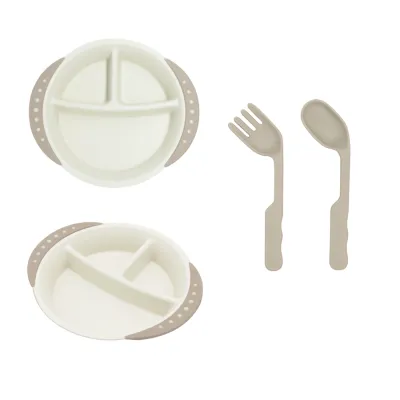




Prices are valid at publication and may change. Please refer to the product page for the latest price.
3 Observable Signs Your Baby is Ready for Solid Foods
Before you offer the first spoonful of puree or a soft piece of food, you must look for specific physiological signs that your baby’s body is ready to process solids safely. Relying solely on age can be misleading, as motor skills and digestive development vary. Parents should observe a combination of three primary physical milestones before starting.

Sitting Up with Minimal Support
One of the most critical safety requirements for starting solid foods is core strength and head control. Your baby must be able to sit upright in a highchair or a feeding seat with minimal assistance, holding their head and neck steady without slumping forward, backward, or leaning heavily to the side. Good head control is not just a matter of convenience; it is a vital safety mechanism.
When a baby sits completely upright, their airway remains open and aligned, which allows them to swallow food safely and efficiently. If a baby lacks the core strength to sit up and instead slumps in their seat, gravity can cause food to slide back prematurely, significantly increasing the risk of choking or aspiration. If your baby still requires significant physical support or cushions to stay upright, their body is telling you they need more time to develop.
Hand-to-Mouth Coordination
The ability to coordinate hand movements with visual cues is another essential milestone. You should observe whether your baby can look at an object, reach out to grab it, and bring it directly and accurately to their mouth. This motor skill is fundamental for both traditional spoon-feeding and baby-led weaning, as it demonstrates that the nervous system is mature enough to coordinate the physical act of eating.
It is common for babies to watch you eat with intense interest or even reach out toward your plate. While this behavioral interest is an encouraging sign of curiosity, it should not be confused with physical readiness. The true physical requirement is the actual coordination needed to grasp an object and guide it to the mouth. If your baby cannot yet perform this action with their toys or teethers, they are not quite ready to handle solid foods safely.
Losing the Tongue-Thrust Reflex
Young infants possess a natural survival mechanism known as the tongue-thrust, or extrusion, reflex. When any solid object or spoon touches a young baby’s lips or enters their mouth, their tongue automatically pushes it back out to prevent choking. This reflex is highly active during the first few months of life, keeping babies safe from accidentally swallowing foreign objects.
For weaning to begin successfully, this reflex must diminish. You will know your baby is ready when they can accept a tiny amount of smooth food or a soft spoon, move it to the back of their mouth, and swallow it, rather than immediately pushing it forward and out over their bottom lip. If you attempt to feed your baby and they consistently push every bit of food out with their tongue, the reflex is still fully active, indicating their digestive tract and swallowing mechanisms are not yet prepared for solids.
When to Wait: Red Flags That It Might Be Too Early
Introducing solid foods too early can pose serious health and safety risks, including choking hazards and digestive distress, as an infant’s kidneys and gut are highly sensitive. Recognizing the red flags of unreadiness is just as important as identifying the signs of readiness. If your baby cannot sit upright without slumping, consistently gags or chokes on smooth purees, or continues to push all food out of their mouth with their tongue, you should halt any feeding attempts.
Many parents are misled by common behavioral changes that resemble hunger. For instance, if your baby suddenly begins waking up more frequently during the night or seems eager for another milk feed shortly after finishing a full bottle, it is easy to assume they need solid food to stay satisfied. However, these behaviors are typically driven by temporary growth spurts, teething, or cognitive developmental leaps rather than a physiological need for solids. Introducing food to solve sleep issues or growth spurt hunger is rarely effective and can lead to digestive discomfort.
Safety must always come first. If your baby was born prematurely, has underlying medical conditions, displays developmental delays, or if you feel any uncertainty about their developmental stage, do not guess. Pause the introduction of solids and consult your paediatrician or a qualified maternal health professional. They can provide a personalized assessment to ensure your baby’s physical development is fully aligned with the transition to solid foods.
Essential Weaning Products to Buy Before the First Meal
Once you have verified that your baby is developmentally ready, preparing the right environment is the next step. Having the correct feeding gear ready makes the process safer for your baby and far more manageable for you. When shopping for weaning products, prioritize safety, ease of cleaning, and developmental suitability.
Bibs and Mess Management
Weaning is an inherently messy learning process, and managing that mess is key to keeping mealtimes stress-free. The type of bib you choose should match your baby’s developmental stage and your feeding approach. For the very early days of thin purees, soft fabric bibs are highly effective. They are comfortable against sensitive skin and excellent for absorbing drool and minor spills.
However, as your baby progresses to thicker foods or self-feeding, silicone bibs with deep, built-in catch pockets become indispensable. These pockets stay open to catch falling food, crumbs, and liquids, preventing them from landing on your baby’s clothes or the floor. When purchasing silicone bibs, look for models with adjustable, lightweight neck fastenings that secure comfortably without pulling on the neck. Ensure the silicone is soft and flexible so it doesn’t restrict your baby’s movement while they sit in their highchair.
First Spoons and Suction Bowls
The utensils you introduce to your baby must be designed specifically for their fragile oral anatomy. Standard household spoons are too deep, wide, and hard for an infant’s mouth. Instead, look for shallow, soft-tipped silicone spoons. The soft silicone is gentle on sensitive, teething gums, while the shallow bowl of the spoon allows your baby to easily clear the food with their upper lip.
To keep meals on the tray rather than the floor, invest in bowls and plates equipped with strong suction bases. These bases adhere firmly to the highchair tray, preventing your baby from lifting and flipping their food. Before purchasing any plastic or silicone feeding items, always read the manufacturer’s labels to verify that the products are certified food-grade and completely free from potentially harmful chemicals, including BPA, BPS, phthalates, and PVC.
Highchairs with Proper Foot Support
A highchair is more than just a seat; it is a critical tool for safe swallowing. To eat safely, a baby requires physical stability, which directly influences their ability to chew and swallow. Pediatric feeding experts recommend looking for a highchair that supports a sitting posture with a 90-degree angle at the hips, a 90-degree angle at the knees, and a 90-degree angle at the ankles.
This posture is only possible if the highchair features a solid, adjustable footrest that supports the baby’s feet flatly. When a baby’s legs dangle without support, their core muscles must work harder to keep them balanced, leading to quick fatigue, restlessness, and an increased risk of choking. Additionally, ensure the highchair features a secure, adjustable 5-point harness to prevent your baby from sliding or climbing out, along with a wide, stable base that prevents the chair from tipping. Always review the manufacturer’s user manual for weight limits and assembly instructions before use.
Safe Next Steps: Navigating the First Few Tastes
When you are ready to begin, start slowly and keep expectations low. The initial goal of weaning is exploration, not consumption. Begin by offering just a few teaspoons of food once a day, choosing a single-ingredient, smooth puree (such as pureed carrot or sweet potato) or a soft, easily graspable stick of steamed vegetable, depending on your preferred feeding method.
Safety is paramount during every meal. Never leave your baby unattended while they are eating, even for a brief moment; silent choking can happen quickly. Keep your full attention on your baby and learn to distinguish between normal gagging—which is a loud, active safety reflex as they learn to move food—and true choking, which is silent and requires immediate intervention. Always avoid known choking hazards, such as whole nuts, whole grapes, cherry tomatoes, hard raw vegetables, or thick sticky spreads.
Introducing common food allergens requires a careful, structured approach. Common allergens—including peanut, tree nuts, egg, soy, wheat, cow’s milk, fish, and shellfish—should be introduced one at a time in very small amounts, allowing you to monitor your baby for any adverse reactions. It is best to introduce these foods earlier in the day so you can observe your baby over several hours. If your baby has moderate-to-severe eczema, an existing food allergy, or if there is a strong family history of severe allergies, do not introduce allergens on your own. Consult your paediatrician or a pediatric allergist to develop a safe, personalized introduction plan.
Throughout the first few months of this journey, keep in mind that breastmilk or formula remains your baby’s primary source of nutrition and hydration. Do not worry if they spit most of the food out or only take a single bite. At this stage, solid food is a complementary addition to their milk diet, allowing them to build the motor skills and confidence they need for a lifetime of healthy eating.
Frequently Asked Questions (FAQ)
Can I start weaning before my baby is 6 months old?
Major global and local health organizations recommend exclusive breastmilk or formula feeding until around six months of age. Introducing solid foods before 17 weeks (approximately four months) is strongly discouraged. At this early stage, an infant’s digestive system, kidneys, and swallowing reflexes are not sufficiently developed to process solid food safely, which significantly increases the risk of choking and digestive issues. If you believe your baby is showing strong signs of readiness between four and six months, you must consult your paediatrician before offering any solid foods to ensure it is developmentally safe for your specific child.
What is the best time of day to offer the first solid meal?
The best time of day to offer your baby’s first solid meal is mid-morning or early afternoon, during a period when your baby is alert, happy, and relaxed. Avoid trying to feed them when they are overly tired, cranky, or extremely hungry, as this can lead to frustration and a negative association with eating. Offering the meal earlier in the day is also a key safety measure, as it gives you several hours of active daytime to monitor your baby for any signs of an allergic reaction, skin rash, or digestive discomfort before they go to sleep for the night.

Community discussion
Share your experience or ask a question. Comments are reviewed before publication.