
Deciding whether to upgrade from the original Spectra S1 to the Spectra S1 Pro is a common dilemma for breastfeeding mothers, especially when balancing a busy schedule, returning to work, or managing a demanding pumping routine. The short answer is that an upgrade is highly justified if your current pump is showing signs of motor fatigue, if your daily routine now demands a more compact or lighter unit, or if you require specific updated features that your current setup lacks. However, if your original S1 is still functioning perfectly and your primary issues are related to suction strength or comfort, the solution might lie in simple maintenance rather than a costly new purchase. By systematically evaluating your current device’s performance, checking official manufacturer specifications, and calculating the total cost of ownership, you can make an informed decision that supports your breastfeeding journey without unnecessary expense.
Comparing the Spectra S1 Pro and the Original S1
To determine if the Spectra S1 Pro represents a meaningful leap forward for your specific routine, start by examining the official technical specifications provided by the manufacturer. Marketing materials often highlight terms like “enhanced portability” or “advanced suction,” but the most reliable way to evaluate these claims is to compare the hard data found in the user manuals or official product listings. Look closely at the physical dimensions, weight, and battery specifications of both models. If you frequently commute or pump in different locations, a reduction in weight or a more compact footprint can make a significant difference in your daily comfort.
Beyond physical size, examine the suction patterns and cycle speeds listed in the official documentation. While both models utilize a closed-system design to maintain hygiene and prevent backflow, the S1 Pro may offer different adjustment increments or pre-programmed cycles. Verify whether these changes align with your pumping style; some parents prefer highly granular control over cycle speeds, while others find the standard settings of the original S1 perfectly adequate. It is also crucial to check if the maximum suction strength, measured in mmHg, remains comparable, as a higher number does not automatically translate to better milk expression and can sometimes cause discomfort if not used correctly.
Products mentioned in this guide
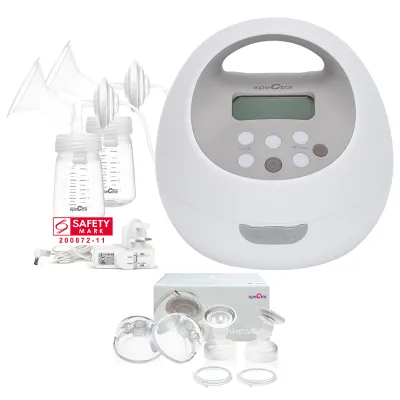
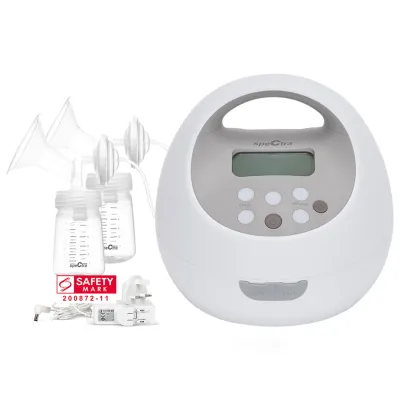
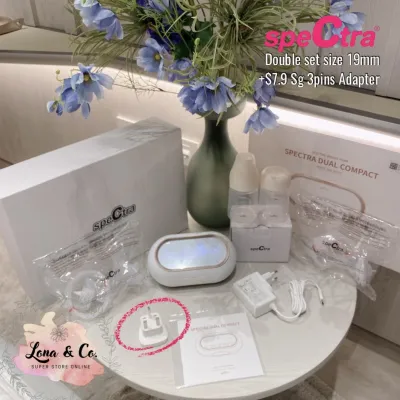
Prices are valid at publication and may change. Please refer to the product page for the latest price.
Remember that the core pumping mechanism and the fundamental technology behind milk expression often remain highly consistent across different generations of the same product line. Both devices are designed to mimic a baby’s natural nursing rhythm through a combination of expression and massage modes. Therefore, do not assume that a newer model will automatically yield more milk simply because it is a newer release. Instead, focus on how the physical design changes, such as a modified display screen, updated charging ports, or a different handle configuration, might improve your user experience during late-night or on-the-go pumping sessions.
Assessing Your Current Pumping Pain Points
Before committing to a new device, it is essential to diagnose the exact source of any dissatisfaction with your current original Spectra S1. Many parents mistake a drop in milk expression or increased physical discomfort for a failing pump motor, when the actual culprit is often a minor, easily correctable issue. Common pain points like a sudden loss of suction, longer pumping sessions, or unusual noise can frequently be traced back to worn-out consumable parts rather than a terminal mechanical failure.

To isolate the issue, start by conducting a thorough physical inspection of your current pump and its accessories. Check the silicone duckbill valves and backflow protector membranes for tiny tears, stretching, or warping, as even microscopic damage can drastically reduce suction efficiency. Additionally, inspect the tubing for any moisture, mold, or loose connections at the pump ports. If you notice that the pump motor sounds normal but the suction feels weak, replacing these inexpensive silicone components should always be your first step before assuming the pump itself needs to be replaced.
Another critical factor to evaluate is your flange sizing, which can change over the course of your breastfeeding journey. A flange that fit perfectly during the first few weeks postpartum may become uncomfortable or inefficient months later as your breast tissue adapts. Incorrectly sized flanges can cause friction, swelling, and blocked milk ducts, leading to a perceived drop in pump performance. If you are experiencing pain or a decrease in output, consult a lactation professional to verify your current flange size and rule out physiological changes before investing in a new pump model.
Scenarios Where Upgrading to the Spectra S1 Pro Is Justified
An upgrade to the Spectra S1 Pro becomes a highly practical decision when your daily lifestyle undergoes a major transition, such as returning to an office environment or traveling frequently. In Singapore, commuting on public transport or moving between meeting rooms with a bulky pump can be challenging. If the official specifications of the S1 Pro indicate a lighter weight, a more streamlined profile, or a more convenient charging interface (such as a USB-C port), these features can significantly reduce the friction of pumping at work.
Battery performance is another critical factor that can justify an upgrade. If your daily routine requires you to pump in locations without easy access to an electrical outlet—such as during a commute, in a shared office space, or while managing outdoor activities with older children—a robust, reliable internal battery is essential. If your original S1’s battery has degraded over years of use and can no longer hold a charge for multiple sessions, upgrading to a new unit with a fresh, high-capacity battery ensures you will not be stranded without power.
Furthermore, changes in your milk supply or physical sensitivity may require the more refined control settings that a newer model might offer. For instance, if you have developed sensitive breast tissue or are managing oversupply, having access to more precise vacuum levels or a gentler initiation mode can make your sessions much more comfortable. However, always ensure that the decision to upgrade is driven by a verified, practical need that your current, well-maintained original S1 simply cannot fulfill, rather than the mere appeal of owning the latest technology.
When to Keep Your Original S1 and Optimize Its Performance
For many parents, the most sensible and cost-effective decision is to keep the original Spectra S1 and optimize its performance through regular maintenance. The original S1 is widely regarded as a durable, hospital-strength workhorse, and a well-cared-for unit can easily last through multiple breastfeeding journeys. If your pump motor still runs smoothly, holds a reasonable charge, and shows no signs of physical damage, there is rarely a compelling physiological reason to replace it.
To restore your original S1 to its peak operating condition, establish a strict replacement schedule for all consumable parts. Silicone parts like duckbill valves and backflow membranes should typically be replaced every one to three months, depending on how frequently you pump. Tubing should be replaced immediately if it becomes loose or shows any signs of moisture accumulation. By spending a small amount on fresh accessories, you can often restore the pump’s original suction strength, completely eliminating the need for a costly upgrade.
You can also optimize your pumping experience by experimenting with the cycle and vacuum settings already available on your original S1. Many users fall into the habit of using a single setting, but adjusting the cycle speed in expression mode or spending more time in massage (letdown) mode can significantly improve comfort and milk flow. Taking the time to understand how to customize these settings to match your body’s natural response is far more likely to improve your pumping efficiency than simply switching to a newer device with similar core technology.
Managing Costs, Compatibility, and Warranties
When evaluating the financial aspect of an upgrade, it is important to look beyond the initial retail price of the Spectra S1 Pro. In Singapore, a new high-end breast pump can represent a significant investment, often ranging from S$300 to S$500 or more depending on the retailer and current promotions. Compare this upfront cost against the cumulative expense of purchasing a complete set of replacement parts and accessories for your existing original S1, which typically costs only a fraction of that amount.
Before making a purchase, check the warranty status of your current original S1. If your pump is still within its warranty period—which is often one to two years from the date of purchase, depending on the local distributor—any motor issues or battery failures may be covered for repair or replacement at little to no cost to you. Contact the authorized local distributor or check your original purchase receipt to verify your coverage before spending money on a brand-new unit.
Additionally, investigate the cross-compatibility of your existing accessories. If you have invested in a large collection of wide-neck bottles, specialized flanges, backflow protectors, and tubing for your original S1, verify whether these parts can be used seamlessly with the S1 Pro. If the newer model requires proprietary accessories or a different connection system, the hidden cost of replacing your entire inventory of parts can add up quickly, making the upgrade significantly less economical.
Frequently Asked Questions (FAQ)
Are original Spectra S1 accessories compatible with the S1 Pro?
To determine if your existing accessories will work with the Spectra S1 Pro, you should consult the manufacturer’s official compatibility guidelines or contact an authorized local distributor. Generally, standard consumables such as wide-neck bottles, silicone duckbill valves, and backflow protector membranes are designed to be interchangeable across many models in the Spectra product line. However, electronic components, power adapters, or specific tubing connectors may vary between the original S1 and the S1 Pro. Always verify these details before attempting to use older parts, as using incompatible accessories can compromise suction efficiency or potentially damage the pump motor.
How can I tell if my original Spectra S1 motor is failing?
Recognizing the signs of a failing pump motor can help you decide whether it is time to replace your device or simply perform routine maintenance. Common indicators of motor degradation include a noticeable and persistent drop in suction strength that cannot be resolved by replacing the silicone valves and membranes. You may also observe unusual grinding, clicking, or excessively loud noises coming from the pump housing, or find that the internal battery drains rapidly or fails to hold a charge even after being plugged in for a full charging cycle. If you experience any of these symptoms, refer to the troubleshooting section of your user manual or reach out to the manufacturer’s local customer support team to confirm if the motor has reached the end of its operational lifespan.

Community discussion
Share your experience or ask a question. Comments are reviewed before publication.