
Determining whether a toy cleaner spray is safe for your baby depends entirely on the specific product’s formulation, its intended use as defined by the manufacturer, and how carefully you apply it. Because infants and toddlers naturally explore their world by putting objects in their mouths, any chemical residue left on a toy’s surface can be directly ingested. Rather than relying on broad marketing claims, parents must verify ingredient transparency, follow precise application and rinsing instructions, and monitor their child for any adverse reactions. Taking a methodical approach to cleaning products ensures you minimize exposure risks while keeping your child’s play environment hygienic.
How Toy Cleaner Sprays Work and What "Safe" Really Means
Toy cleaner sprays are designed to quickly lift dirt, oils, and grime from play surfaces, but understanding what makes them safe requires looking past the front label. Many products prominently display terms like “non-toxic,” “plant-based,” or “natural” to appeal to safety-conscious parents. However, these terms are often used loosely in marketing and do not automatically mean a product is safe for ingestion, completely residue-free, or free from potential allergens. A spray derived from plant sources can still cause skin irritation or respiratory discomfort if a baby comes into direct contact with wet or heavily concentrated residues.
When a spray is applied to a toy, the liquid must either evaporate completely or be wiped away according to the manufacturer’s instructions. If a baby mouths a toy shortly after it has been cleaned, any remaining chemical film can transfer directly to their tongue and gums. This potential for incidental ingestion is why parents cannot treat toy cleaners like standard household surface sprays. The safety of any cleaning agent is highly conditional, depending on how thoroughly the residue is managed before the toy is returned to the child.
Products mentioned in this guide
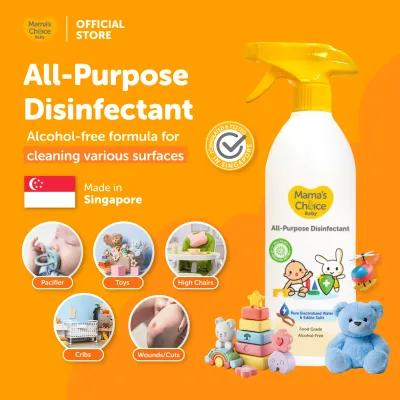
![[Bundle of 3] Mamas Choice All-Purpose Disinfectant Spray | Baby Safe Toy & Surface Sanitiser | Alcohol-Free](https://img.lazcdn.com/g/p/56523d8438db11289f28e1abddbd5618.jpg_400x400q80.jpg_.webp)
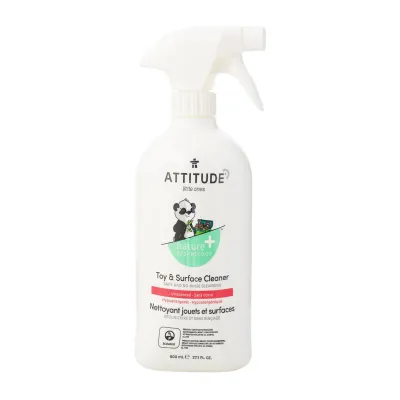
Prices are valid at publication and may change. Please refer to the product page for the latest price.
To establish a safe cleaning routine, your first step must always be a dual check of both the cleaning spray’s label and the toy manufacturer’s care instructions. Toy manufacturers understand the physical limits of their materials, such as whether a plastic can withstand certain chemical exposures or if wood will degrade when exposed to moisture. Aligning the cleaner’s instructions with the toy’s material guidelines prevents accidental damage to the toy and ensures the cleaning agent performs as intended without leaving unexpected chemical byproducts behind.
Safety Labels and Ingredients to Check Before Buying
When shopping for a toy cleaner spray, look for complete ingredient transparency on the packaging. Reliable manufacturers list their specific chemical or plant-derived ingredients rather than hiding behind vague, proprietary phrases like “all-natural cleaning blend” or “chemical-free formula.” Knowing exactly what is in the bottle allows you to identify potential allergens or harsh surfactants that might not be suitable for a developing infant’s sensitive skin and respiratory system.

In addition to reading the ingredient list, you should verify any safety certifications or testing standards printed on the label. Many products claim to be certified by independent environmental or safety organizations, but these claims should always be cross-referenced through official regulatory databases or the certifying body’s public registry. Do not rely solely on third-party advertisements or online marketplace descriptions, as these can sometimes misinterpret or exaggerate the scope of a product’s actual certifications.
Finally, check the packaging for explicit instructions regarding the product’s suitability for items that infants and toddlers frequently put in their mouths. A product that is safe for cleaning a high chair tray or a play mat may not be formulated for toys that undergo heavy mouthing. Look for clear directions on whether the spray requires a clean water rinse after application, as this is a strong indicator of whether the formula is designed to leave a completely bare, residue-free surface.
How to Apply Toy Cleaner Spray to Minimize Residue Risks
To minimize the risk of chemical exposure and residue ingestion, you must strictly follow the manufacturer’s specified contact time. Contact time refers to how long the spray must remain wet on the toy’s surface to effectively loosen grime or sanitize, depending on the product’s specific instructions. Once this period has passed, ensure the toy is completely dry before returning it to your baby, as wet surfaces are far more likely to transfer active cleaning agents directly to a child’s skin or mouth.
For any toy that your baby frequently mouths, such as teething rings, plastic blocks, or rattles, you should perform a secondary rinse with clean, potable water. Even if a toy cleaner spray claims to be a “no-rinse” formula, wiping the toy down with a clean, damp cloth after the required contact time adds an extra layer of safety by physically removing any lingering surfactants or scent compounds. This simple step significantly reduces the likelihood of your baby ingesting dry chemical residues.
Always apply toy cleaner sprays in a well-ventilated area to prevent the inhalation of airborne droplets. Never spray the product directly toward your baby, near their face, or close to food preparation surfaces where overspray could contaminate meals. Instead, consider spraying the cleaner onto a clean microfiber cloth first, then using the cloth to wipe down the toy’s surfaces, which gives you precise control over where the liquid goes and prevents excess moisture from pooling in crevices.
Warning Signs: When to Stop Using a Toy Cleaner Spray
Even when using a highly rated toy cleaner spray, you must remain vigilant for any physical signals that indicate the product is not suitable for your child. Stop using the spray immediately and consult a qualified pediatrician if your baby exhibits signs of skin irritation, localized redness, unexplained rashes, respiratory discomfort, coughing, or unusual drooling after playing with a recently cleaned toy. These symptoms can indicate an allergic reaction or sensitivity to a specific ingredient in the formula.
You should also inspect the cleaning product itself regularly and discard it if you notice any signs of physical degradation. Changes in the liquid’s color, separation of ingredients into distinct layers, the appearance of sediment, or unusual off-odors are clear indicators that the formula has broken down or expired. Using a degraded cleaning spray can compromise its effectiveness and may introduce unexpected chemical reactions or bacterial growth onto your child’s toys.
Additionally, cease using any cleaning product if the label becomes unreadable, the safety seal is broken upon purchase, or the manufacturer’s specific usage instructions are lost. Without clear access to the dilution ratios, contact times, and rinsing requirements, you cannot guarantee that you are applying the product safely. Keeping the original packaging intact ensures you always have immediate access to first-aid instructions and ingredient lists in case of accidental ingestion or exposure.
Safe Alternative Cleaning Methods for Baby Toys
If you cannot verify the safety of a toy cleaner spray, or if you prefer to avoid chemical sprays entirely, simple and reliable alternative cleaning frameworks exist. Washing toys with warm water and a mild, baby-safe dish soap is an excellent baseline method for removing everyday dirt and saliva. Always check the toy manufacturer’s care instructions before washing, as some materials may require specific water temperatures or gentle handling to maintain their structural integrity.
When using alternative cleaning methods, you must respect material-specific limits to avoid damaging the toys or creating safety hazards. For example, never submerge toys with electronic components, battery compartments, or internal wiring in water, and avoid using boiling water on soft plastics that might warp or leach chemicals when exposed to high heat. For these sensitive items, a lightly damp cloth with a tiny amount of mild soap, followed by a damp cloth rinse, is a much safer approach.
After cleaning, thorough drying is essential to prevent the growth of mold, mildew, and bacteria, which thrive in damp environments. Pay close attention to porous materials like wood, bath toys with squeeze holes that can trap water inside, and fabric plush toys. Squeeze out all excess water from bath toys, allow fabric items to dry completely in a well-ventilated area or under direct sunlight if permitted by the care label, and ensure wooden toys are wiped completely dry to prevent warping.
Frequently Asked Questions (FAQ)
Can I use regular household disinfectant sprays on baby toys?
Standard household disinfectant sprays are generally not suitable for baby toys, especially those that children put in their mouths. These products are formulated to sanitize hard, non-porous household surfaces like countertops and doorknobs, and they often contain harsh, volatile organic compounds or strong chemical residues designed to linger on surfaces. Always check both the disinfectant label and the toy manufacturer’s warnings; unless a product explicitly states it is safe for food-contact or mouthable surfaces and outlines a mandatory rinsing procedure, it should be kept far away from your baby’s toys.
How often should I clean my baby's toys?
The frequency of cleaning your baby’s toys depends on how often they are used, where they are played with, and whether your child is currently teething or sharing toys. Toys that are mouthed daily or taken outside should be cleaned more frequently, while items kept in closed storage may only need occasional dusting. If your household has recently experienced an illness, or if another child has played with the toys, a thorough cleaning is highly recommended. Always consult the toy manufacturer’s guidelines to ensure frequent washing does not degrade the materials or damage delicate components over time.

Community discussion
Share your experience or ask a question. Comments are reviewed before publication.