
Keeping little hands clean is a constant task for parents, especially when navigating busy public spaces, playgrounds, or public transport. However, when it comes to choosing appropriate hand sanitizers, baby care routines require a completely different safety standard than those of adults. Alcohol-based hand sanitizers are generally not recommended for infants and young babies. While these products are highly convenient for adults, they introduce significant health risks to babies, whose developing bodies and natural behaviors make them highly vulnerable to chemical exposure.
Washing with soap and running water remains the single most effective and safest method for infant hand hygiene. The primary concerns associated with using hand sanitizers on very young children include accidental alcohol toxicity, oral ingestion, and severe skin irritation. Instead of applying chemical sanitizers directly to an infant’s delicate skin, caregivers should focus on thoroughly sanitizing their own hands before handling, feeding, or carrying the baby. This simple shift in hygiene habits provides a highly effective barrier against germs without exposing the child to unnecessary risks.
Age Guidelines: When Can Babies and Toddlers Use Hand Sanitizer?
Understanding the developmental milestones of young children is crucial when deciding how to manage their hand hygiene. The risks associated with hand sanitizers change significantly as a child grows from an immobile infant into an active, curious toddler.
Products mentioned in this guide
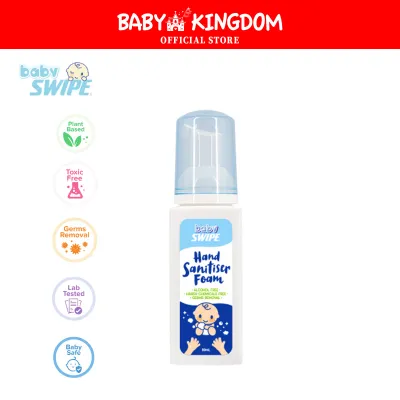
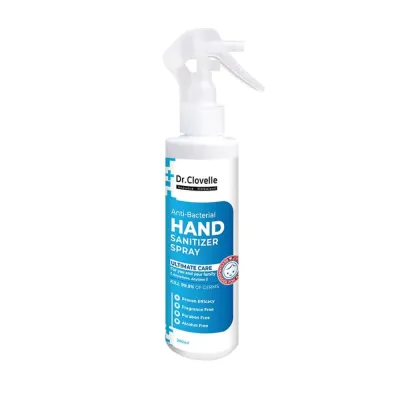
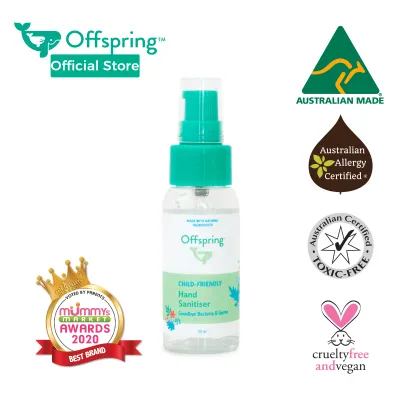
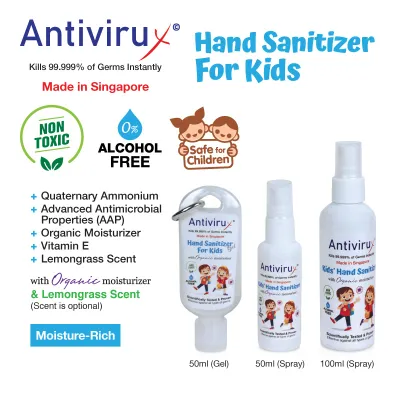
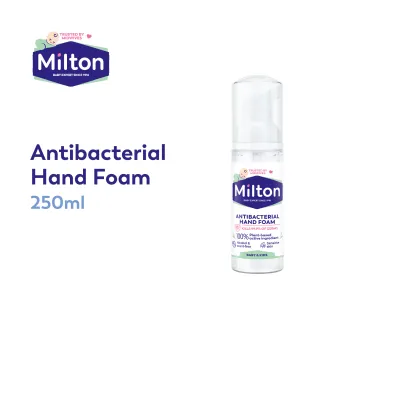
Prices are valid at publication and may change. Please refer to the product page for the latest price.
Babies and Young Infants
For babies and infants under the age of two, hand sanitizers should be avoided entirely. During this developmental stage, infants explore their environment primarily through sensory touch and oral exploration, meaning their hands and fingers are almost constantly in their mouths. Applying a liquid, gel, or foam sanitizer to their hands creates an immediate risk of ingestion, as the baby is highly likely to lick their fingers before the product has completely evaporated.
Furthermore, an infant’s skin is structurally different from adult skin. It is significantly thinner, more delicate, and has a much higher surface-area-to-body-mass ratio, which makes it highly permeable. This increased permeability means that topically applied chemicals, including isopropyl or ethyl alcohol, can be absorbed directly through the skin and enter the bloodstream. Additionally, young infants lack the motor skills and cognitive ability to rub their hands together to facilitate drying, leaving wet, highly concentrated chemical residue on their skin.
Toddlers and Older Children
As children transition into older toddlerhood—generally around the age of two and older—the use of hand sanitizer may be cautiously introduced, but only as a secondary option when soap and water are completely unavailable. This transition is highly dependent on individual developmental progress rather than age alone. Before using any sanitizer, a child must be old enough to understand and follow basic verbal instructions, such as keeping their hands away from their mouth and eyes immediately after application.
Even when a toddler meets these cognitive milestones, hand sanitizer must never be used independently. Caregivers must maintain direct, continuous supervision during every single use. The adult must control the bottle, dispense the correct amount, and actively guide the child through the application process to ensure safety. In outdoor environments, such as Singapore’s local parks or indoor play areas, carrying sanitizer is a common convenience, but it should never replace a trip to the washroom when a sink is nearby.
Why Hand Sanitizers for Baby Care Require Strict Age Limits
To fully appreciate why health authorities advise caution, it is helpful to look closely at the specific physiological and dermatological risks that alcohol-based products pose to young children.

Alcohol Toxicity and Ingestion Risks
Most commercial hand sanitizers contain high concentrations of alcohol, typically ranging between 60% and 95% ethyl alcohol (ethanol) or isopropyl alcohol. Because babies and toddlers have a very low body mass, even a tiny amount of swallowed sanitizer can lead to rapid and severe alcohol poisoning. Accidental ingestion can occur from a toddler licking wet sanitizer off their hands, chewing on a sanitizer bottle, or swallowing a small pump of the liquid out of curiosity.
Alcohol toxicity in young children is a medical emergency that can lead to a dangerous drop in blood sugar (hypoglycemia), hypothermia, seizures, irregular breathing, and extreme lethargy. If you observe signs of alcohol toxicity—such as unusual drowsiness, vomiting, confusion, or breathing difficulties—you must take immediate action. Do not attempt to induce vomiting, as this can cause the child to inhale the chemical into their lungs. Instead, immediately contact emergency medical services or head to the nearest pediatric emergency department, such as those at KK Women’s and Children’s Hospital (KKH) or National University Hospital (NUH).
Skin Absorption and Irritation
Applying high-concentration alcohol to a baby’s delicate skin can cause immediate dermatological issues. Alcohol is a powerful solvent that strips away the natural lipids and moisture that protect the skin barrier. This can lead to severe dryness, painful cracking, redness, and contact dermatitis.
In Singapore’s warm, humid climate, cracked or irritated skin can quickly become exacerbated by sweat and friction, making the child highly uncomfortable. A compromised skin barrier also loses its ability to protect against external pathogens, making the infant more susceptible to localized skin infections and environmental irritants. Caregivers should regularly inspect their child’s hands for any signs of peeling, redness, or scaling and immediately discontinue the use of any topical sanitizing products if these symptoms appear.
Why Soap and Water Are Always the Better Choice
When evaluating hand hygiene options, it is important to understand the fundamental difference between mechanical cleaning and chemical sanitizing. Soap and water clean hands mechanically, while hand sanitizers attempt to kill pathogens chemically without removing them from the skin.
Soap contains surfactants, which are compounds that break down the bonds between dirt, grease, oils, and the skin. When you rub soapy hands together under running water, the friction lifts the dirt, chemical residues, and pathogens off the skin, allowing them to be completely rinsed down the drain. This mechanical action is highly effective at physically removing visible grime, food particles, saliva, and soil—substances that hand sanitizers simply cannot dissolve or eliminate.
Furthermore, hand sanitizers are ineffective against several highly contagious pathogens that frequently circulate in childcare centers and preschools. For example, alcohol-based sanitizers do not reliably kill norovirus (the primary cause of severe stomach flu) or the viruses responsible for Hand, Foot, and Mouth Disease (HFMD). These non-enveloped viruses have a tough outer protein shell that alcohol cannot easily penetrate. Soap and water, however, physically wash these resilient viruses away, making handwashing the superior defense against common childhood illnesses.
To wash a baby’s or toddler’s hands effectively, follow these simple steps:
- Wet: Wet the child's hands with clean, running water.
- Lather: Apply a small amount of mild, fragrance-free baby soap and rub the hands together to create a lather.
- Scrub: Gently scrub all surfaces of the hands, including the backs of the hands, between the fingers, and under the fingernails, for at least 20 seconds.
- Rinse: Rinse the hands thoroughly under running water to remove all soap and lifted grime.
- Dry: Pat the hands completely dry using a clean, soft towel, as damp hands can transfer germs more easily than dry ones.
Essential Precautions If You Must Use Hand Sanitizer on a Toddler
There are situations where a sink is simply out of reach, such as during a stroller ride or while traveling. If you must use hand sanitizer on an older toddler, adhering to strict safety protocols will minimize the risks of irritation and accidental poisoning.
- Supervision: Never allow a child to carry, hold, or apply hand sanitizer themselves. An adult must always control the product, dispense it, and supervise the entire application process from start to finish.
- Dosage: Dispense only a tiny, pea-sized drop of sanitizer onto the child's palm. Using too much product increases the drying time and leaves excess wet residue that the child could easily lick or rub into their eyes.
- Application: Actively assist the child in rubbing the sanitizer over all parts of their hands, including the fingers and thumbs. Continue rubbing until the skin is completely dry. Do not let the child touch anything, put their hands in their mouth, or rub their eyes until the product has fully evaporated, which typically takes 15 to 20 seconds.
- Storage: Store all hand sanitizer bottles securely out of reach and out of sight of children. Avoid leaving travel-sized sanitizers hanging on the outside of diaper bags or strollers where a curious toddler can easily grab them.
- Product Selection: Choose plain, unscented formulations. Avoid buying hand sanitizers that feature bright artificial colors, glitter, or sweet, food-like scents (such as strawberry or vanilla). These appealing features make the product look and smell like candy, significantly increasing the risk that a child will attempt to drink or lick it.
Safe Hand Hygiene Alternatives When a Sink Is Unavailable
When you are away from home and do not have access to a fully equipped washroom, there are several practical, baby-safe alternatives that physical clean hands without the risks of alcohol-based gels.
Using high-quality, unscented, alcohol-free baby wipes is an excellent first-line alternative. Wipes allow you to physically rub away dirt, food residue, and surface germs from your baby’s hands. While they do not sterilize the skin, the mechanical action of wiping is highly effective at reducing the microbial load on delicate hands without exposing them to harsh chemicals. After wiping, let the baby’s hands air dry completely.
Another highly practical solution is to carry a small, portable “handwashing kit” in your diaper bag. This can consist of a reusable squeeze bottle filled with clean tap water and a travel-sized bottle of mild, rinse-free baby soap or standard gentle baby wash. When clean hands are needed, simply squeeze the water over your child’s hands, apply a drop of baby soap, rub gently, and rinse with another splash of water before patting dry with a clean cloth.
Finally, remember that one of the most effective ways to protect an infant from germs is to maintain impeccable hand hygiene yourself. Because babies rely entirely on caregivers for mobility, feeding, and comfort, most germs are transferred to them via adult hands. By consistently washing your own hands or using hand sanitizer before you prepare their food, feed them, or pick them up, you significantly reduce the risk of introducing pathogens to their environment.
Frequently Asked Questions (FAQ)
Can I use alcohol-free hand sanitizer on my baby?
Alcohol-free hand sanitizers often use active ingredients like benzalkonium chloride instead of alcohol. While these formulations eliminate the risk of alcohol toxicity, they are not necessarily safe for babies. Benzalkonium chloride can still cause skin irritation, allergic reactions, or contact dermatitis on sensitive infant skin. Additionally, alcohol-free sanitizers are generally less effective against a broad range of viruses and bacteria compared to traditional handwashing. It is best to avoid using these products on infants and consult your pediatrician before introducing any chemical sanitizing products to your child’s routine.
What should I do if my baby licks hand sanitizer?
If your baby licks a small, wet trace of hand sanitizer off their skin, wipe their mouth out immediately with a clean, damp cloth and offer them a few sips of water or breast milk to rinse their mouth and dilute any residue. Monitor them closely for any unusual behavior. If you suspect your child has swallowed a larger amount directly from a bottle, or if they show signs of lethargy, vomiting, or breathing changes, seek immediate emergency medical care. Never attempt to induce vomiting yourself, as this can cause further damage to the esophagus or lead to aspiration.
Are natural or homemade hand sanitizers safe for toddlers?
Homemade hand sanitizers, often made using essential oils, aloe vera gel, or rubbing alcohol, are highly discouraged for toddlers. DIY recipes lack professional quality control, making it extremely difficult to ensure a safe and effective concentration of ingredients. If the alcohol concentration is too low, the mixture will be completely ineffective at killing germs; if it is too high, it can cause severe chemical burns or skin irritation. Furthermore, many essential oils commonly used in natural recipes can trigger allergic reactions or respiratory irritation in young children.
Community discussion
Share your experience or ask a question. Comments are reviewed before publication.