
Commercial toy cleaners can be a convenient addition to your nursery maintenance routine, but their safety is never absolute. The safety of any toy cleaner depends entirely on its chemical formulation, the material of the toy being treated, and how your baby interacts with that toy. While these products are generally formulated to be milder than standard household disinfectants, they are not inherently risk-free. Ensuring a cleaner is truly safe for your child requires careful ingredient selection, appropriate application techniques, and a commitment to thorough rinsing, particularly for items that find their way into a baby’s mouth.
Is Toy Cleaner Safe for Baby Toys?
Many commercial toy cleaners are marketed with appealing terms like “natural,” “organic,” or “baby-safe.” However, these marketing claims are not standardized, and parents must look beyond front-label promises to understand what they are introducing to their child’s play environment. The primary appeal of a specialized toy cleaner is that it typically avoids the highly concentrated, harsh chemicals found in standard bleach-based or ammonia-based household cleaners. These commercial formulations are designed to lift dirt, oils, and saliva while reducing the microbial load on plastic, silicone, or wooden surfaces.
Despite their gentler profiles, toy cleaners are chemical mixtures that can leave active residues on toy surfaces. A product that is perfectly safe for a decorative wooden block might pose a chemical exposure risk if applied to a silicone teether that a three-month-old infant chews on for hours. Safety is therefore conditional rather than universal. It is determined by how well the cleaner matches the toy’s material and whether the parent takes the necessary steps to remove residual chemicals before returning the toy to the baby.
Products mentioned in this guide
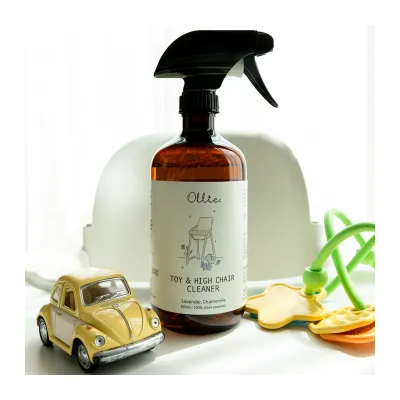
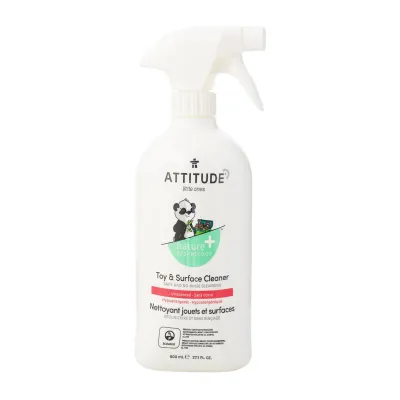
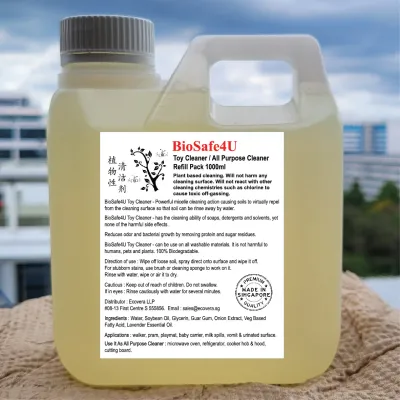
Prices are valid at publication and may change. Please refer to the product page for the latest price.
To achieve a high standard of safety, you must treat toy cleaners as active chemical agents rather than harmless water-like sprays. This means verifying the manufacturer’s safety warnings, checking for product recalls, and ensuring the product is suitable for your child’s specific developmental stage. For infants in the oral exploration phase, any cleaner used must either be thoroughly rinsed away with potable water or be verified as safe for direct oral contact based on its specific ingredient profile.
Potential Health Risks of Toy Cleaner Residue
Understanding the specific risks associated with chemical residues on toys helps parents make informed choices about which products to use and how to apply them. Because infants have developing immune, respiratory, and metabolic systems, they are significantly more vulnerable to chemical exposures than adults.

Ingestion Risks Babies naturally explore their physical surroundings by putting objects into their mouths. When a toy is sprayed with a cleaner and not properly rinsed, chemical residues remain on the surface. As the baby chews or sucks on the toy, these residues dissolve in saliva and are ingested. Over time, repeated ingestion of even small amounts of synthetic surfactants, preservatives, or chemical fragrances can disrupt the delicate balance of an infant’s gastrointestinal tract, potentially leading to mild digestive upset, nausea, or changes in gut microbiota.
Skin and Eye Irritation An infant’s skin barrier is thin, delicate, and highly susceptible to external irritants. When a baby handles toys coated in cleaner residue, these chemicals transfer to their hands and can easily be rubbed into their eyes or onto their face. This exposure can trigger localized contact dermatitis, characterized by redness, dry patches, or itchy rashes. Synthetic fragrances, essential oils, and certain chemical preservatives are well-documented triggers for these sensitive skin reactions in young children.
Respiratory Irritation Many commercial toy cleaners are packaged in spray bottles that aerosolize the liquid during application. In enclosed, air-conditioned spaces common in Singapore apartments, these airborne particles can linger in the air. Inhaling these fine mists or volatile organic compounds (VOCs) can irritate an infant’s sensitive airways, leading to coughing, sneezing, or watery eyes. For babies with a family history of asthma or sensitive respiratory tracts, exposure to strong chemical vapors can trigger more acute respiratory discomfort.
Material Degradation The chemical agents in some cleaners can interact negatively with the materials of the toys themselves. Over time, harsh solvents can degrade soft plastics, weaken silicone, or strip the protective sealants and paint from wooden toys. This degradation does more than ruin the toy; it creates micro-cracks and rough textures on the surface where bacteria, mold, and viruses can easily lodge and multiply. Furthermore, degraded plastics can become brittle, leading to small parts breaking off and presenting immediate choking hazards to young children.
What Parents Must Check on Toy Cleaner Labels
Navigating the baby care aisle requires a critical eye. To protect your child from unnecessary chemical exposure, you must learn to read and interpret the detailed information on toy cleaner labels rather than relying on front-bottle marketing.
Ingredient Transparency A reputable manufacturer should provide a clear, transparent list of ingredients on the packaging or direct you to an easily accessible online database. Be cautious of products that list vague categories like “surfactants,” “cleaning agents,” or “fragrance” without specifying the exact chemical compounds used. To minimize the risk of irritation and ingestion toxicity, look for formulas that are free from quaternary ammonium compounds (quats), phthalates, parabens, and formaldehyde-releasing preservatives. If the toy is designed to be mouthed, prioritize cleaners that utilize simple, food-grade ingredients.
Decoding “No-Rinse” and “Food-Contact Safe” Claims The label “no-rinse” is highly convenient, but it does not mean the product is completely free of residue. Typically, a “no-rinse” claim indicates that the cleaner will evaporate or leave a minimal, non-toxic residue on non-porous surfaces when diluted correctly. However, if your baby is actively teething and chewing on the toy, even a minimal residue can be ingested. Always check if the manufacturer explicitly states that the “no-rinse” formula is safe for items placed directly in a baby’s mouth; if this specific assurance is missing, you should always perform a clean water rinse.
Material Compatibility Before purchasing a cleaner, verify that it is approved for the specific materials of your child’s toys. A cleaner formulated for hard plastics may contain alcohol or solvents that can dry out and crack natural, untreated wood or dissolve the water-based paints often used on high-quality infant toys. Conversely, a gentle wood cleaner may not have the sanitizing power needed for plastic bath toys. Always check the toy manufacturer’s care instructions first to ensure you do not use a chemical that conflicts with their maintenance guidelines.
Warning Labels and Red Flags The precautionary statements on the back of a cleaner bottle are the most honest indicators of its chemical strength. Warnings such as “Keep out of reach of children,” “Causes moderate eye irritation,” “Use in a well-ventilated area,” or “Wash thoroughly with soap and water after handling” indicate that the formula contains active chemical substances that require careful handling. If a product carries these warnings, it is not a safe leave-on treatment for baby toys and must be rinsed off completely with potable water before the toy is returned to your child.
How to Use Toy Cleaners Safely to Minimize Residue
Proper application technique is just as important as choosing the right product. By establishing a systematic cleaning routine, you can maximize the sanitizing efficacy of your cleaner while minimizing the risk of chemical residue.
Pre-Cleaning Applying a sanitizer or cleaner directly to a dirty toy is highly inefficient. Physical debris, such as saliva, food residue, dust, and organic matter, can shield bacteria from the cleaner and neutralize active sanitizing ingredients. Always begin by wiping away visible dirt with a clean, damp cloth or rinsing the toy under warm, running water. This initial step ensures that the toy cleaner can make direct contact with the surface, allowing it to work effectively with a smaller volume of product.
Application Method Avoid spraying toy cleaners directly onto toys. Direct spraying often leads to pooling in crevices, joint lines, and battery compartments. For plush toys or toys with internal mechanisms, excess liquid can seep inside, creating a damp environment that promotes internal mold growth. Instead, spray the cleaner moderately onto a clean, lint-free microfiber cloth and use the damp cloth to thoroughly wipe down the external surfaces of the toy.
Contact Time and Wiping For a cleaner or sanitizer to effectively eliminate bacteria and viruses, it must remain in contact with the surface for a specific duration, known as the “dwell time.” Check the product label for this exact instruction, which can range from 30 seconds to several minutes. Allow the toy to sit undisturbed for the recommended contact time to ensure proper sanitization, then use a separate, clean, dry cloth to wipe away any remaining liquid, preventing chemical pooling.
Rinsing and Drying Protocols For any items that your baby frequently places in their mouth, such as teethers, pacifiers, and plastic rattles, a secondary rinse is a crucial safety step. Wipe these toys down with a cloth dampened with clean, potable water to remove any lingering chemical residue. Given the high humidity of Singapore’s tropical climate, ensuring toys dry completely is vital. Place the cleaned toys in a well-ventilated area with good airflow to dry thoroughly, as lingering moisture in tiny crevices can quickly lead to mold and mildew.
Stop Conditions Monitor both the toys and your baby closely during and after the cleaning process. Discontinue using a specific cleaner immediately if the toy’s material becomes sticky, shows signs of discoloration, or emits a persistent chemical odor. More importantly, if your baby exhibits any physical reactions, such as skin redness around the mouth or hands, unexplained rashes, or unusual fussiness after playing with a cleaned toy, stop using the product and consult a healthcare professional. If a toy shows signs of cracking, peeling paint, or structural weakness, discard it immediately.
Safe Alternatives to Commercial Toy Cleaners
If you prefer to avoid commercial chemical cleaners entirely, several highly effective, low-risk household alternatives can keep your baby’s toys clean and sanitary.
Warm Water and Mild Soap For daily maintenance of hard plastic and silicone toys, warm water and a few drops of fragrance-free, mild dish soap remain the gold standard. This simple combination effectively breaks down the oils, grease, and saliva that accumulate on toys during play. Wash the toys thoroughly, rinse them under running potable water to remove all soap residue, and let them air-dry completely. This method is highly effective, extremely low-risk, and uses items already present in your home.
Heat Sterilization For toys made of high-quality, food-grade solid silicone or heat-safe plastics, steam or boiling water provides an excellent chemical-free sanitizing option. You can use a dedicated steam sterilizer or submerge the items in boiling water for a few minutes. However, you must verify that the toy is explicitly rated for high temperatures by the manufacturer. Never use heat sterilization on wooden toys, toys with batteries or electronic parts, painted items, or soft plastics, as the heat can cause warping, melting, or the leaching of chemical components.
Diluted White Vinegar A solution made of equal parts white vinegar and clean water is a popular natural alternative for cleaning hard surfaces. The mild acidity of vinegar helps break down grime and mineral deposits. If you choose this method, wipe the toys down with the solution, let it sit for a few minutes, and then perform a thorough rinse with potable water. This step is necessary to eliminate the strong vinegar scent, which can be off-putting to babies, and to prevent the acid from slowly degrading sensitive toy materials over time.
Frequently Asked Questions (FAQ)
Can I use regular household disinfectant wipes on baby toys?
You should avoid using standard household disinfectant wipes on baby toys, especially those that your child is likely to place in their mouth. These household wipes are designed for non-porous environmental surfaces like countertops and doorknobs, and they often contain high concentrations of harsh chemicals, industrial alcohols, or quaternary ammonium compounds. These substances leave a persistent chemical residue that is not safe for ingestion or prolonged contact with sensitive infant skin. Additionally, these aggressive formulas can degrade plastic toy surfaces and dissolve non-toxic, water-based paints.
How often should I clean my baby's toys?
The frequency of cleaning should be tailored to how the toy is used and your baby’s developmental stage. Toys that are frequently mouthed, such as teethers and pacifiers, should be cleaned daily or immediately after they fall onto floor surfaces. Bath toys require squeezing out all internal water and thorough air-drying after every single use, along with a weekly deep clean to prevent internal mold growth. Plush toys and items that are handled less frequently can be washed or wiped down monthly, or whenever they show visible signs of soil or dirt.

Community discussion
Share your experience or ask a question. Comments are reviewed before publication.