
The Skip Hop activity walker—most commonly referring to the cruiser or walker mode of their 3-in-1 activity centers—can be a safe part of your baby’s daily routine when used strictly according to manufacturer guidelines and pediatric advice. However, no baby equipment is entirely risk-free, and “daily use” requires careful management of session lengths, environment, and active supervision. This guide helps you evaluate the safety features, identify potential developmental risks, and establish healthy boundaries for using the walker every day.
Understanding how your baby interacts with this equipment is the first step toward creating a secure play environment. While these devices offer engaging sensory toys and support early standing, they also alter how a baby moves and distributes their weight. By learning to identify potential hazards and monitoring your baby’s physical posture, you can enjoy the benefits of this popular developmental toy while minimizing the risks of injury or developmental strain.
Identifying Your Specific Skip Hop Model and Mode
Before evaluating safety, you must identify the exact model and configuration of your Skip Hop gear. The brand is well-known for multi-stage designs, such as the 3-in-1 Activity Center, which transitions from a stationary sit-in entertainer to a cruising table and eventually a toddler play table. Some parents also use standalone push-behind walkers. The safety profile, physical demands, and potential risks of these configurations differ significantly, making it vital to know exactly which mode your baby is using.
Products mentioned in this guide
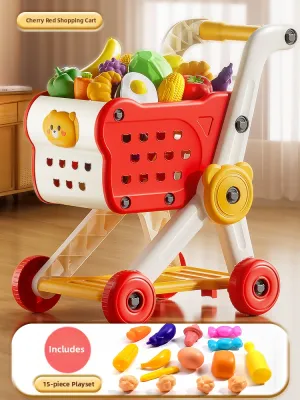

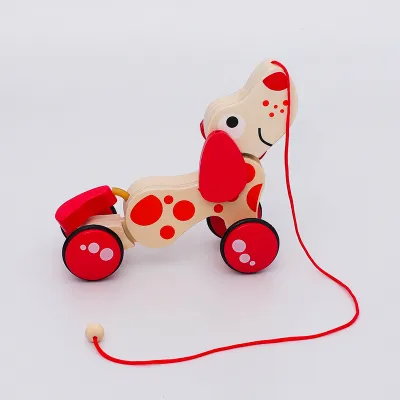
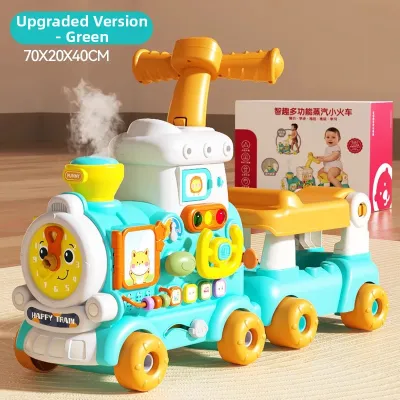
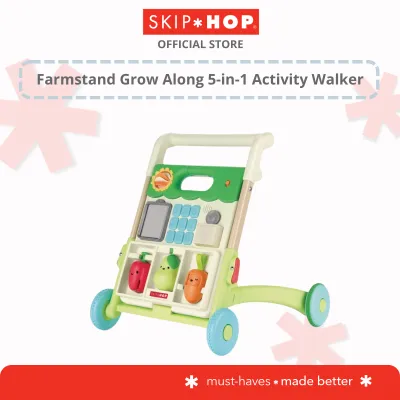
Prices are valid at publication and may change. Please refer to the product page for the latest price.
To verify the safety limits of your specific unit, locate the manufacturer’s tracking label. This label is typically printed on a sticker attached to the underside of the main plastic tray or molded directly into one of the support legs. This label contains critical information, including the exact model number, manufacturing date, and the maximum weight and height limits. Never rely on general online advice or assume a standard limit, as specifications can vary between different product generations and regional models.
Before placing your baby in the device, perform a thorough check of all locking mechanisms. For the sit-in activity center mode, ensure the fabric seat is securely clicked into the rotating track and that all three legs are locked at the same height level. If you have converted the unit into a cruising or push-behind mode, verify that the legs are stable, any rolling wheels are properly adjusted, and the toy attachments are firmly locked in place. Taking a moment to verify these physical connections prevents sudden collapses or unexpected movement.
Essential Environment and Equipment Safety Checks
The safety of any baby walker depends heavily on the environment in which it is used. Before setting up the walker, inspect the floor surface of the room. In Singapore homes, smooth surfaces like polished tiles, marble, or vinyl are common, and these allow wheels to glide much faster than carpeted floors. Ensure the floor is completely dry, free of loose rugs that could bunch up, and clear of small objects, toys, or electrical cords that could catch the wheels and cause a sudden tip-over.

Establishing a strict “safe zone” is the most effective way to prevent serious accidents. This zone must be completely isolated from high-risk areas of the home. Keep doors to kitchens, bathrooms, and balconies firmly closed at all times. If your home has split-level flooring, steps, or stairs, install secure, hardware-mounted safety gates that cannot be pushed over by the weight of a baby and a walker. Additionally, ensure the safe zone is far away from hot appliances, water dispensers, dangling cords from window blinds, and low-hanging tablecloths.
A quick structural inspection of the equipment should be part of your daily routine. Check the plastic frame for any signs of stress, hairline cracks, or loose joints that could compromise its structural integrity. Ensure that all interactive toys are firmly clicked into their designated slots so they cannot be pulled off and present a choking hazard. Finally, inspect the wheels or feet of the unit to ensure they are free of hair, dust, or fiber buildup, which can cause uneven movement or sudden locking.
Evaluating Developmental and Posture Risks
Many parents worry about the developmental impact of walkers on a baby’s hips, legs, and walking timeline. Pediatricians and physical therapists generally draw a sharp distinction between traditional mobile sit-in walkers—which have wheels on the bottom of a frame containing a suspended seat—and stationary activity centers or push-behind cruisers. Traditional mobile sit-in walkers are discouraged by medical professionals because they allow babies to move at high speeds before their muscles are developmentally ready. The Skip Hop 3-in-1 system, when used in its stationary sit-in mode, does not roll, while its push-behind mode requires active standing and pushing, which supports natural muscle development.
Even when using a stationary activity center, you must monitor your baby’s posture to prevent physical strain. When your baby is in the sit-in seat, their feet should rest flat on the bottom platform, or slightly flexed as specified in your product manual. If your baby is constantly stretching on their tiptoes to reach the platform, the height setting is too high. Persistent toe-walking in an activity center can tighten the Achilles tendon and alter natural calf muscle development, so adjusting the platform height as your baby grows is essential.
If you observe your baby showing signs of improper posture, such as leaning heavily to one side, arching their back excessively, or showing discomfort, discontinue use immediately. It is also important to consult a pediatrician or a pediatric physical therapist if you have concerns about your baby’s motor milestones, such as delayed sitting, crawling, or standing. Remember that these devices are designed for entertainment and sensory play, not as tools to teach walking or as substitutes for natural floor movement.
Setting Healthy Time Limits and Supervision Rules
To balance entertainment with healthy physical development, you must manage how long your baby spends in the walker each day. Pediatric experts generally recommend limiting a baby’s time in stationary activity centers or walkers to short, controlled sessions. A safe guideline is to limit use to 15 to 20 minutes per session, with a maximum of two sessions per day. Restricting this time ensures that your baby’s developing hips, spine, and legs are not subjected to prolonged, passive upright pressure before their skeletal structure is fully mature.
Active adult supervision is an absolute necessity whenever your baby is using the walker. Never treat an activity center or walker as a babysitter or assume your baby is safe because they are contained. A baby can lean over quickly, drop a toy and strain to reach it, or tip the unit if they push off a nearby wall or heavy piece of furniture. An adult must remain in the same room, within arm’s reach, keeping a direct line of sight on the baby at all times to intervene instantly if needed.
The best way to support your baby’s physical milestones is to prioritize unrestricted floor play. Alternate short sessions in the Skip Hop walker with plenty of tummy time, rolling practice, and free crawling on a firm play mat. These natural movements allow babies to build the core, neck, shoulder, and back strength necessary for independent sitting, standing, and eventually walking.
Clear Signals to Stop Using the Walker
Babies grow and develop rapidly, meaning a device that was safe last month may pose a hazard today. Regularly measure your baby’s weight and height, and compare these measurements against the maximum limits printed on the Skip Hop product label. Once your baby reaches either the weight limit or the height limit specified by the manufacturer, they must immediately stop using the sit-in mode of the activity center to prevent structural failure or tipping.
Pay close attention to your baby’s behavior while they are using the device. If your baby has figured out how to pull themselves up to stand on the seat, or if they are actively trying to climb out of the harness, it is time to retire the sit-in mode. Additionally, as babies grow taller, they gain a longer reach; if they can suddenly reach items on countertops, tables, or shelves while in the walker, the environment is no longer safe for its use.
Once your baby begins to take independent steps and can walk confidently without assistance, the developmental purpose of a push-behind walker is complete. Transitioning them to free walking without the aid of a rolling device encourages the refinement of balance, spatial awareness, and natural gait patterns. You can then convert the multi-stage Skip Hop center into its play table configuration, allowing your toddler to enjoy the surface for drawing, building blocks, and creative play.
Frequently Asked Questions (FAQ)
Can I leave my baby in the Skip Hop walker while I do chores?
No, you should never leave your baby unattended in the walker, even for a brief moment to complete household chores. Babies can move with surprising speed or attempt to climb out, leading to sudden tip-overs, falls, or access to dangerous household items. If you must step away to attend to a chore, place your baby in a fully enclosed, safe space such as a playpen or a crib where there is no risk of movement or tipping.
How do I clean the Skip Hop walker safely?
To clean the walker safely, always refer to the care label attached to the fabric seat for specific washing instructions. Most fabric seats can be detached and machine-washed on a gentle cycle with mild, baby-safe detergent, then air-dried to prevent shrinkage. For the plastic tray, legs, and interactive toys, wipe them down regularly using a damp cloth and a mild, non-toxic cleaner, ensuring no water enters any electronic components or battery compartments.

Community discussion
Share your experience or ask a question. Comments are reviewed before publication.