
Baby walkers can offer entertainment and a sense of independence for growing infants, but they also present significant safety risks that require careful consideration, strict environmental controls, and constant adult supervision. While many parents look to these devices to help their children transition to walking, pediatric experts and safety advocates globally raise concerns about their potential hazards. To make an informed decision for your child, you must understand these risks, know how to verify essential safety features on product labels, and learn how to set up a secure environment if you choose to use one.
Deciding whether to introduce a baby walker into your home involves balancing your child’s desire for mobility with the physical realities of their developmental stage. Because babies in walkers can move much faster than their natural physical development allows, they can quickly access areas of the home that are normally out of reach. Understanding the specific mechanical and developmental hazards associated with these devices is the first step in keeping your child safe.
Common Safety Risks Associated With Baby Walkers
The primary physical hazard of traditional sit-in baby walkers is the rapid, uncontrolled mobility they provide. A baby in a walker can move at speeds that far exceed a caregiver’s reaction time, making it incredibly difficult to intervene before an accident occurs. This high-speed movement greatly amplifies the risk of severe falls and tipping incidents, particularly when transitioning between different flooring surfaces, rolling over thresholds, or navigating near steps.
Products mentioned in this guide
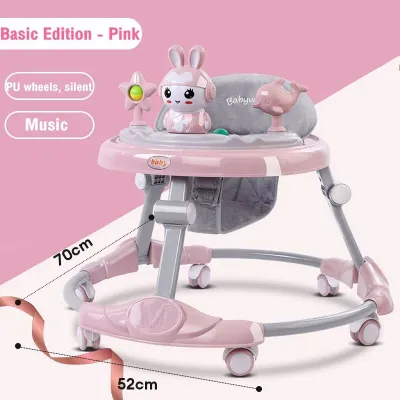
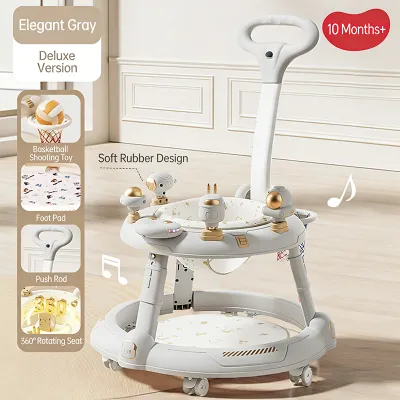
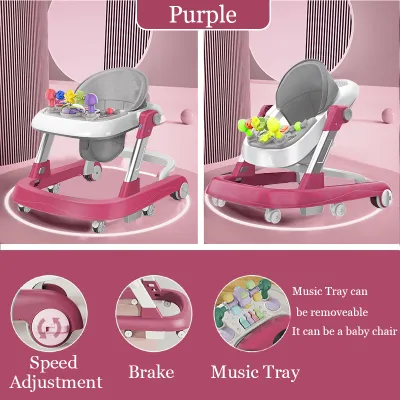
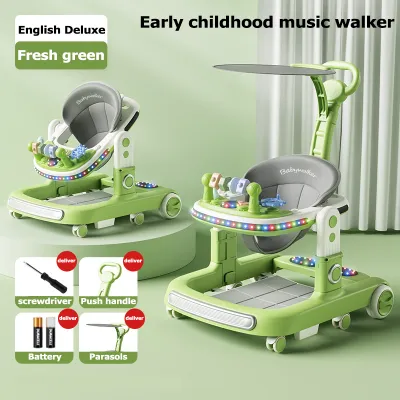



Prices are valid at publication and may change. Please refer to the product page for the latest price.
Stairs and elevated drop-offs represent the most critical danger zone for walker users. Even a minor lapse in supervision can allow a baby to roll toward an open staircase, where the momentum of the walker can cause a catastrophic fall. Tipping can also occur on flat surfaces if the wheels catch on the edge of a rug, a toy, or an uneven floor tile, sending the infant headfirst onto the ground.
In addition to fall risks, walkers grant babies an elevated reach that does not align with their cognitive awareness of danger. When suspended in a sit-in walker, a baby can easily reach countertops, tables, and shelves that would otherwise be inaccessible to a crawling infant. This height advantage increases the risk of the child pulling down heavy objects, grabbing sharp utensils, touching hot appliances, or reaching toxic household chemicals and medications.
From a developmental perspective, traditional sit-in walkers can actually hinder natural motor milestones rather than support them. Because the seat supports the baby’s weight, the child does not need to engage their core muscles or practice the balance required for independent standing. Furthermore, walkers often encourage babies to push off with their tiptoes, which can lead to tight calf muscles and an unnatural walking posture that persists even when they are out of the device.
To mitigate these inherent mobility risks, constant and direct adult supervision is an absolute necessity. A caregiver must remain in the same room and within arm’s reach of the baby at all times while the walker is in use. A baby walker should never be treated as a passive babysitter or a safe containment device while you attend to household chores in another room.
Essential Safety Features to Verify Before Purchase
If you choose to purchase a baby walker, you must carefully inspect the product’s design, structural integrity, and safety certifications before making a decision. Start by examining the wheelbase of the walker. A safe design features a wide, stable base that extends significantly beyond the perimeter of the upper tray and seating area, which lowers the center of gravity and helps prevent the device from tipping over when the baby leans sideways.

Reliable braking mechanisms and stair-fall prevention features are critical components to verify on the product packaging or the device itself. Many modern walkers are equipped with friction strips or rubber pads on the underside of the frame. These safety grips are designed to contact the floor and stop the walker instantly if one or more wheels lose contact with the ground, such as when approaching the edge of a step or a raised threshold.
Inspect the frame construction and the quality of the materials used. The frame should be rigid, sturdy, and free from any sharp edges, exposed springs, or small gaps where tiny fingers or toes could get pinched. Check the folding mechanism to ensure it features a secure locking system that prevents the walker from collapsing accidentally while your baby is inside.
Evaluate the seat assembly and harness comfort. The seat must be made of durable, high-quality fabric with reinforced stitching to support the baby’s weight safely. The harness should hold the baby securely in an upright position without allowing them to slip downward or climb out. Ensure that the seat height is adjustable so you can customize it to your baby’s height as they grow.
Always check the product packaging and user manual for recognized safety standard labels. Depending on your region, look for compliance marks indicating the product meets local or international safety regulations, such as Singapore Standards (SS), European Standards (EN), or ASTM International standards. These labels indicate that the manufacturer has subjected the product to stability and safety testing, though you should still verify the physical features yourself before use.
Setting Up a Safe Environment for Walker Use
Creating a secure, hazard-free environment is the most effective way to minimize accident risks if you decide to use a baby walker. Before placing your baby in the device, you must install sturdy physical barriers, such as safety gates, at the top and bottom of all staircases, ramps, and elevated drop-offs. Do not rely on the walker’s built-in brakes or friction strips as your sole line of defense against stair falls.
Clear the designated walking area of all potential tripping and slipping hazards. Remove loose rugs, mats, electrical cords, and small objects from the floor that could get caught in the walker’s wheels or cause the device to tip. Ensure the walking surface is completely flat, even, and free of transitions that could catch the wheels and disrupt the baby’s balance.
Keep the baby far away from potential household hazards by blocking access to high-risk areas like kitchens, bathrooms, and fireplaces. Ensure that all hot liquids, sharp utensils, heavy objects, and toxic household items are stored securely in high cabinets or locked drawers well out of the child’s elevated reach. Pay close attention to tablecloths and appliance cords, which a baby in a walker can easily pull down.
The walking area must be fully visible to the supervising adult at all times. Avoid using walkers in cluttered rooms, narrow hallways, or spaces with blind spots where the baby could slip out of sight. Keep doors to unsafe rooms closed and locked to prevent the baby from wandering into hazardous areas while you are supervising them.
Usage Limits and When to Stop Using the Walker
To ensure your baby’s safety, you must strictly adhere to the manufacturer’s guidelines regarding weight, height, and age limits. These specifications are printed on the product label or in the user manual and are designed to prevent structural failure or tipping. Never place a baby in a walker if they are under the minimum age or exceed the maximum weight and height limits.
Limit your baby’s daily usage time to short, supervised intervals of no more than fifteen to twenty minutes per session. Spending too much time in a walker can lead to overexertion, poor posture, and a developmental reliance on the device. Prioritizing natural floor play, crawling, and pulling up over walker use is essential for supporting healthy muscle and bone development.
You must stop using the walker immediately if your child reaches certain developmental milestones. Once your baby can sit up unassisted, walk independently, attempts to climb out of the walker, or shows signs of physical discomfort or fatigue, the device should be retired. Continuing to use a walker past these stages significantly increases the risk of falls and injuries.
If you notice any unusual patterns in your child’s motor development, such as walking exclusively on their tiptoes, an asymmetrical gait, or poor posture, discontinue walker use and consult a qualified pediatrician. A professional can evaluate your child’s development and provide personalized guidance on safe mobility practices and alternative play options.
Safer Alternatives for Baby Mobility and Play
If you are concerned about the safety risks of traditional baby walkers, several excellent alternatives offer engagement and developmental support without the high mobility hazards. Stationary activity centers, often called exersaucers, allow babies to spin, bounce, and play with attached toys while remaining in one safe spot. Because these devices do not have wheels, they eliminate the risk of rolling down stairs or reaching dangerous areas.
For toddlers who are already pulling themselves up and learning to balance, push toys are a great alternative. These toys feature a sturdy handle and wheels that the child pushes forward while walking behind them. Unlike sit-in walkers, push toys require the child to support their own weight, engage their core muscles, and practice natural balance, which helps build the strength needed for independent walking.
Supervised tummy time and unrestricted floor play remain the gold standards for early physical development. Allowing your baby to roll, crawl, and explore on a flat, carpeted floor or play mat builds the core, neck, and shoulder strength necessary for healthy motor milestones. This natural progression helps babies learn to navigate their environment safely at their own pace.
Before purchasing or using any alternative play equipment, always verify the age, weight, and developmental readiness requirements specified by the manufacturer. Ensure the product is appropriate for your baby’s current physical abilities and that you continue to provide close caregiver supervision during play to ensure a safe and supportive environment.
Frequently Asked Questions (FAQ)
Do baby walkers delay walking milestones?
Excessive use of traditional sit-in baby walkers can potentially delay natural walking milestones. When a baby spends significant time suspended in a walker, they miss out on essential floor play, crawling, and pulling up, which are critical for building core strength and balance. If you have concerns about your child’s motor development or posture, it is best to consult a pediatrician for professional advice.
Are push walkers safer than sit-in baby walkers?
Push walkers are generally considered a safer alternative to sit-in walkers because they do not suspend the child’s weight or allow rapid, uncontrolled mobility. They require the child to actively balance and support themselves, which promotes natural motor development. However, they still require close adult supervision and a clear, flat environment to prevent tipping or collisions.
What should I do if my baby tips over in a walker?
If an accident occurs, immediately check your baby for any signs of injury and comfort them. If you suspect a serious injury, seek medical attention right away. Once your baby is safe, inspect the walker thoroughly for any structural damage, cracks, or broken parts. Discontinue use immediately if the product is compromised or if your child shows ongoing distress or fear of the device.
Community discussion
Share your experience or ask a question. Comments are reviewed before publication.