
Determining whether Mum Mum snacks are safe for your baby depends on your child’s individual developmental readiness, careful ingredient verification, and strict adherence to safe feeding practices. While these rice-based rusks are a common sight in Singapore households, they are not a universal solution for every infant. Parents must evaluate their baby’s physical milestones and read the specific product packaging before introducing any commercial snack.
As babies transition from an all-liquid diet to solid foods, snacks can offer a convenient way to practice self-feeding. However, safety should always remain the primary concern. Understanding how to assess your baby’s physical readiness, identify potential allergens on product labels, and maintain a safe feeding environment will help you make informed decisions for your child’s nutritional journey.
Understanding Age Appropriateness and Choking Risks
Before offering any biscuit or rusk, caregivers must look for specific developmental milestones that indicate a baby is physically ready to handle solid snacks. One of the most critical milestones is the ability to sit upright unassisted. A baby who can sit securely in a highchair without slumping has the core strength necessary to support safe swallowing, as gravity helps guide food down the esophagus.
Products mentioned in this guide
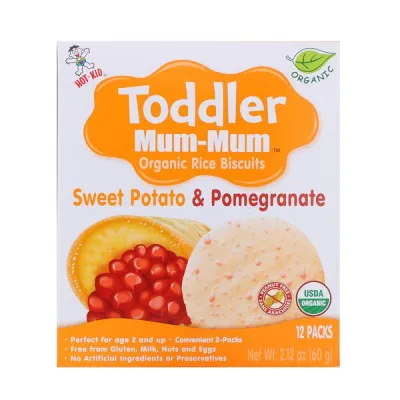
Prices are valid at publication and may change. Please refer to the product page for the latest price.
Another essential indicator is the disappearance of the tongue-thrust reflex. This natural reflex causes young infants to automatically push solid objects out of their mouths with their tongues to prevent choking on non-liquid substances. If your baby still exhibits this reflex when offered a spoon or a small piece of food, their digestive and oral motor systems are not yet mature enough for solid snacks.
The development of the pincer grasp is also a helpful sign of readiness. This milestone typically occurs when a baby begins picking up small objects using their thumb and index finger. While early finger foods can be introduced before this grasp is fully perfected, a baby who shows interest in grasping and bringing objects to their mouth is generally more prepared to navigate the mechanics of self-feeding.
Caregivers must carefully evaluate the physical properties of the snack itself. A safe baby rusk should have a texture that softens rapidly when it comes into contact with saliva. You can test this yourself by placing a small piece of the biscuit in water or on your own tongue to observe how quickly it dissolves. If the biscuit remains hard or crumbles into sharp, dry pieces rather than melting, it may pose a higher risk of choking for a baby who is still learning to chew and swallow.
Continuous adult supervision is an absolute necessity during every feeding session. Even snacks designed to dissolve quickly can become choking hazards if a baby takes too large a bite or attempts to swallow a piece whole. Always ensure your baby is seated in a fully upright position in a secure highchair, and never leave them unattended with food, even for a brief moment.
How to Check for Allergens and Ingredients
Reading product labels thoroughly is a vital step before introducing any packaged snack to your baby’s diet. Different varieties and flavors of Mum Mum snacks may contain varying ingredients, meaning you cannot assume all products under the same brand share the same allergen profile. Always inspect the specific packaging of the box you purchase from local supermarkets or online marketplaces.

Look closely for allergen warnings on the ingredient list. Common food allergens such as wheat, soy, milk, eggs, and nuts must be clearly identified. Even if a particular flavor does not list these items as primary ingredients, check for precautionary statements such as “may contain” or “processed in a facility that handles” these allergens, as cross-contamination can occur during manufacturing.
In addition to allergens, parents should scrutinize the nutritional panel for hidden sugars, high sodium levels, and artificial additives. Infants do not require added salt or sugar in their diets, and introducing these ingredients early can strain their developing kidneys and foster a preference for overly sweet or salty foods. Opt for varieties with the simplest ingredient lists and no added sweeteners or artificial preservatives.
When introducing a new snack, it is best to follow a systematic food introduction protocol. Offer a very small portion of the snack on the first day and monitor your baby closely. Wait at least three days before introducing any other new food to your baby’s diet. This waiting period allows you to easily isolate the cause of any adverse reaction, such as skin rashes, digestive changes, or fussiness, should they occur.
Nutritional Value and Portion Control
While convenient, commercial snacks should always complement rather than replace your baby’s primary sources of nutrition. For infants under twelve months of age, breastmilk or infant formula must remain the primary source of essential nutrients and daily calories. Packaged snacks should not interfere with your baby’s appetite for these vital liquid feeds.
Main meals consisting of nutrient-dense, whole foods should always take priority over processed snacks. Foods such as iron-fortified baby cereals, pureed vegetables, soft fruits, and finely minced meats provide the essential vitamins and minerals necessary for rapid growth. Snacks should be viewed as occasional tools for practicing motor skills rather than a primary source of sustenance.
Carefully review the nutritional information panel on the packaging to determine the appropriate serving size for your baby’s age and appetite. It is easy to overfeed convenient, pre-packaged snacks, which can quickly fill a small baby’s stomach and leave them too full for their next milk feed or balanced meal. Portion out a single serving rather than letting your baby eat directly from a large package.
To prevent an over-reliance on commercial snacks, aim to offer a wide variety of fresh, whole-food alternatives. Soft-cooked carrot sticks, steamed broccoli florets, ripe avocado slices, or banana pieces are excellent options that allow your baby to explore different textures and natural flavors. This variety helps build healthy eating habits and prevents your child from becoming accustomed only to dry, processed textures.
Safe Feeding Practices and When to Stop
Creating a safe and structured feeding environment is essential for minimizing risks during snack time. Always seat your baby securely in a highchair that provides proper back and foot support. This stable positioning allows your baby to focus their physical energy on chewing and swallowing safely, rather than trying to balance their body.
Never allow your baby to crawl, walk, run, or play while holding or eating a snack. Physical movement while chewing significantly increases the risk of accidental inhalation, which can lead to choking. Snack time should always be a dedicated, seated activity where the caregiver can maintain direct eye contact with the child.
It is crucial for caregivers to recognize the difference between gagging and choking. Gagging is a normal, noisy reflex that helps babies push food forward when it goes too far back in the mouth; it is a sign that the baby’s body is learning to manage solids. Choking, on the other hand, is often silent because the airway is blocked, and requires immediate, life-saving first aid.
Monitor your baby closely for any signs of digestive discomfort or allergic reactions during and after eating. Symptoms such as hives, swelling around the lips or eyes, sudden vomiting, or unexplained diarrhea indicate that the snack should be discontinued immediately. Keep a close eye on your baby’s skin and behavior for several hours after their first few exposures to the snack.
If you observe mild symptoms like a localized skin rash or minor digestive changes, stop feeding the snack and consult your pediatrician to discuss potential food sensitivities. However, if your baby exhibits severe symptoms—such as difficulty breathing, wheezing, facial swelling, or extreme lethargy—seek emergency medical services immediately. Always prioritize professional medical evaluation when safety is in question.
Frequently Asked Questions (FAQ)
Can I give Mum Mum snacks to my 6-month-old baby?
While six months is a common age for babies to begin exploring solid foods, individual developmental readiness varies significantly. Some babies may not yet possess the motor skills or swallowing coordination required to safely manage the texture of a biscuit or rusk at this stage. You must check the manufacturer’s minimum age recommendation and feeding guidelines printed on the specific product packaging. If your baby has not yet demonstrated the physical milestones for self-feeding, or if you have any doubts about their readiness, consult your pediatrician before introducing finger foods.
What should I do if my baby shows signs of an allergic reaction?
If you suspect your baby is having an allergic reaction, stop feeding them the snack immediately and gently remove any remaining food from their mouth. Keep your baby calm and monitor them closely for symptoms such as hives, swelling, vomiting, or breathing difficulties. For mild, localized skin reactions, contact your pediatrician for a professional evaluation and to discuss safe allergen testing. If your baby shows any severe symptoms, such as labored breathing, swelling of the tongue or throat, or loss of consciousness, call for emergency medical assistance immediately.

Community discussion
Share your experience or ask a question. Comments are reviewed before publication.